Ctrl K
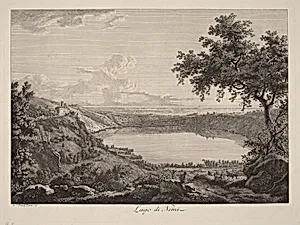
1755–1822
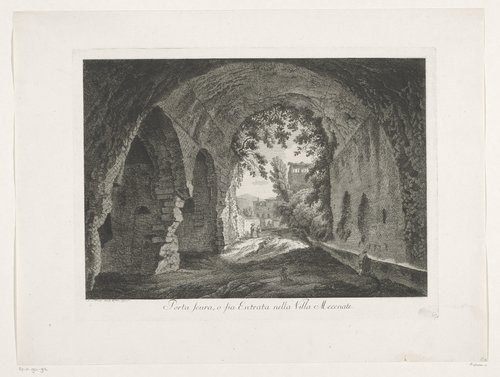
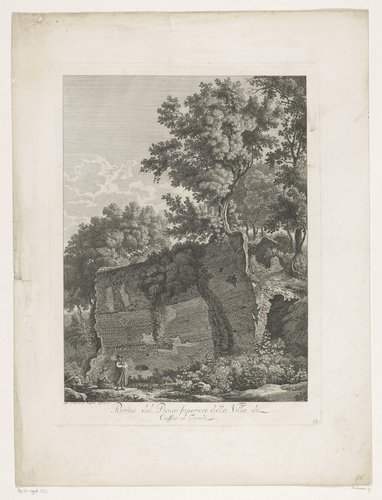
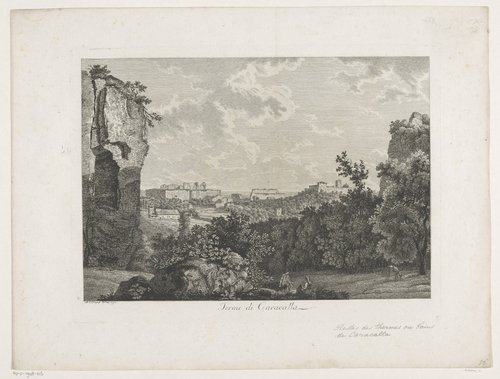
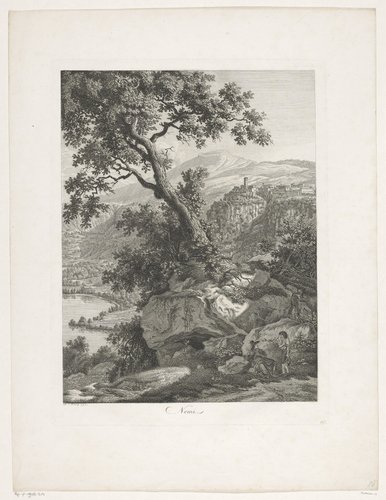
Albert Christoph Dies (1755–1822) was a German painter and writer who spent a significant portion of his career in Italy, working in the landscape tradition that drew so many Northern European artists to Rome during the late eighteenth century. Born in Hanover, Dies trained in the artistic milieu of the time and eventually made his way to Rome, where he became part of the community of German-speaking artists studying and working amid the ruins and countryside of the ancient world.
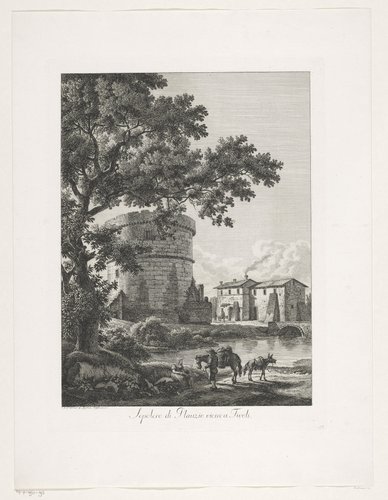
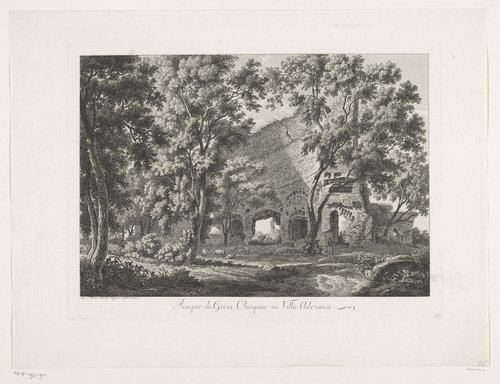
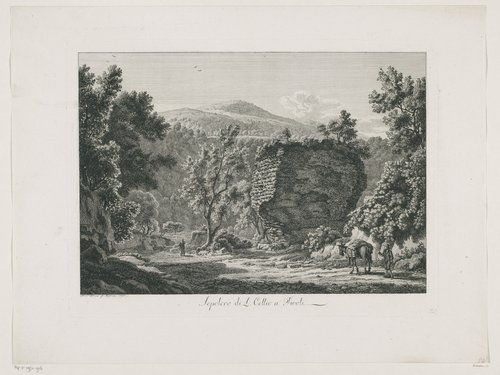
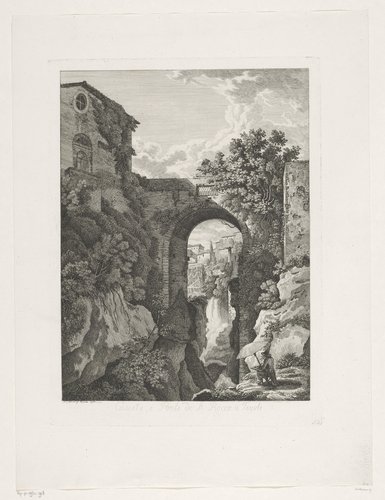
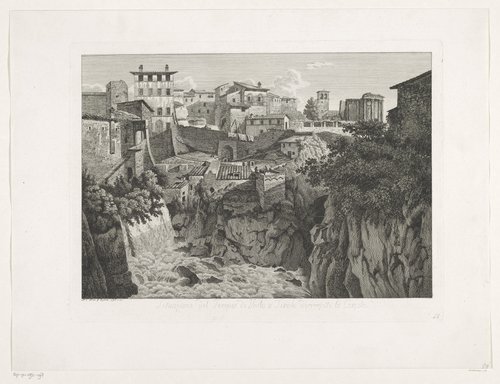
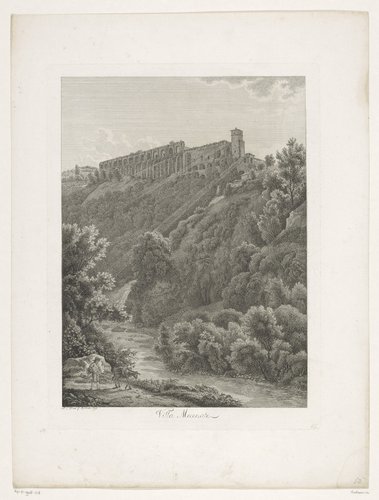
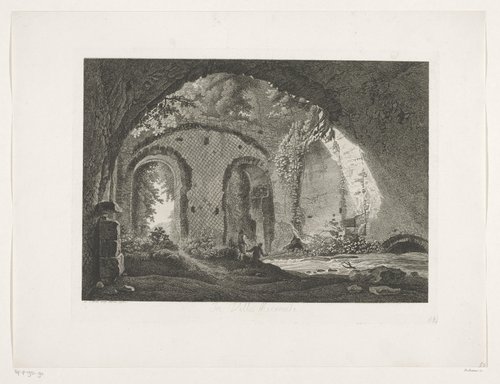
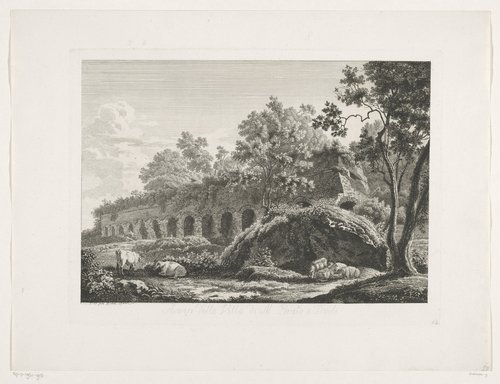
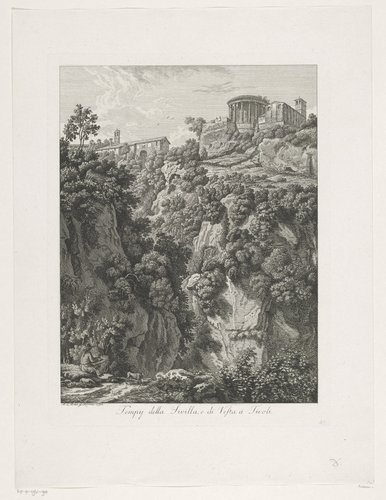
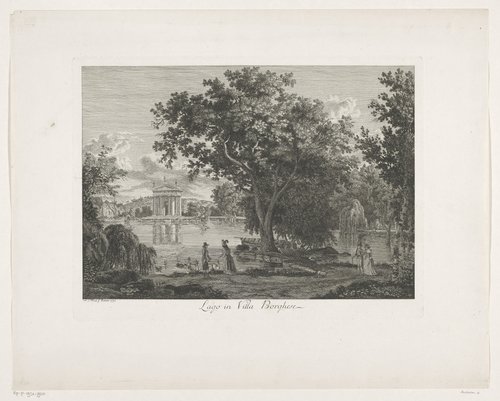
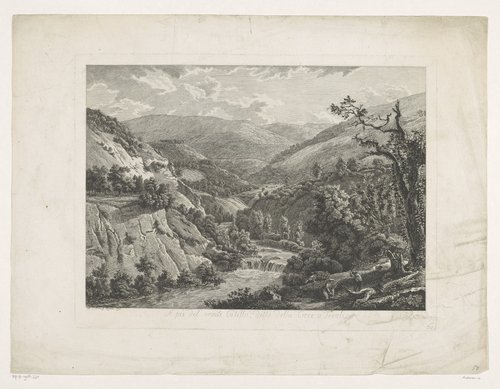
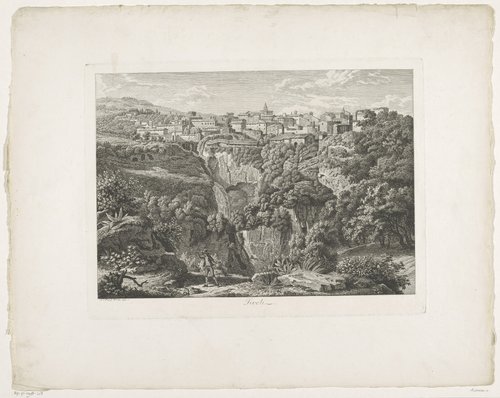
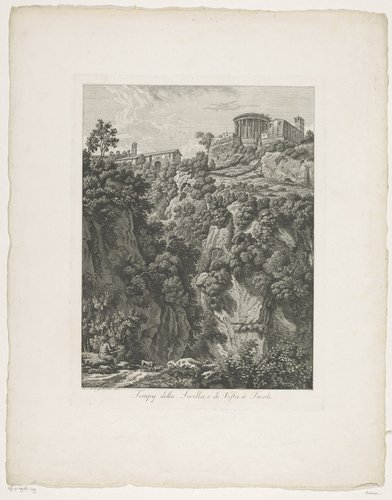
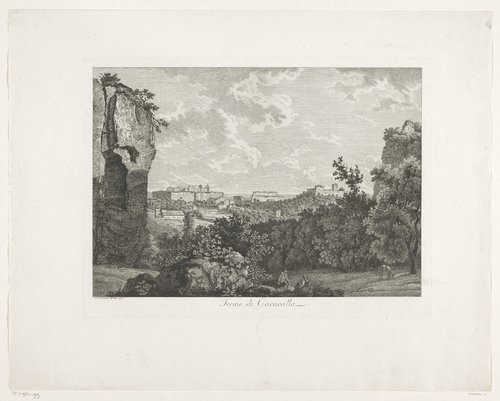
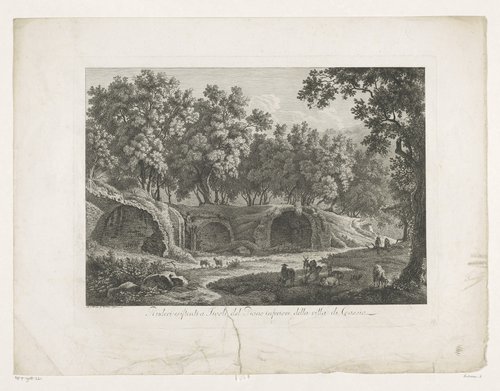
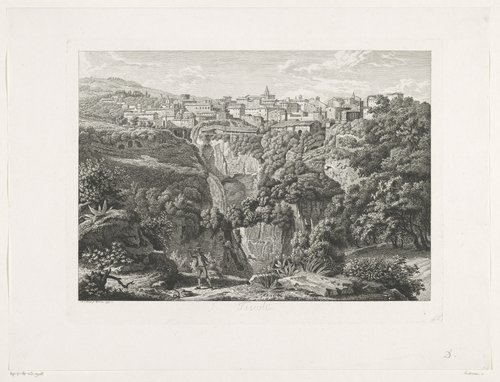
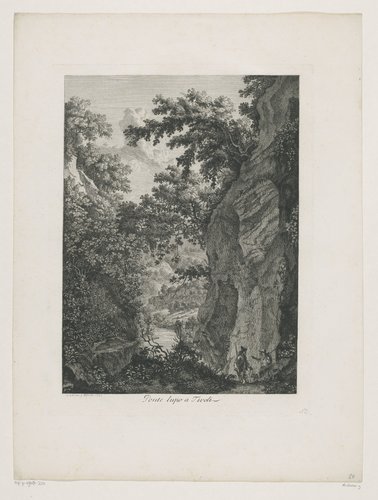
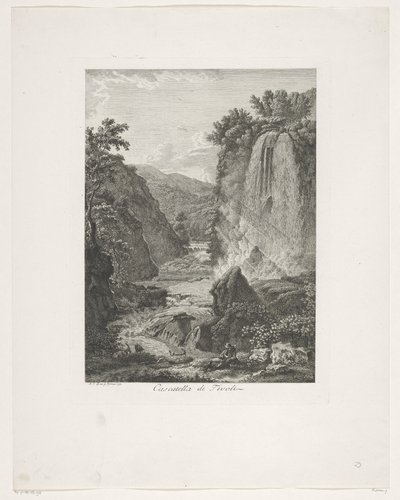
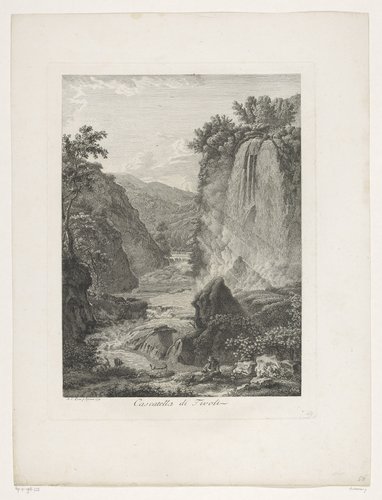
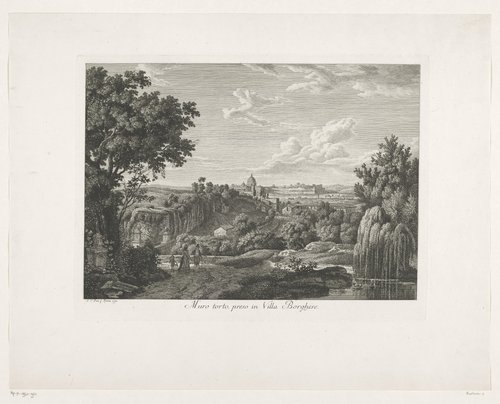
As a painter, Dies worked primarily in landscape, engaging with the classical ideals that defined the genre in the era of Claude Lorrain's long legacy. His canvases depicted the Roman Campagna and the Italian countryside with a combination of topographic interest and idealizing tendency characteristic of the period. Though he achieved a measure of recognition during his lifetime, his reputation as a painter has been largely overshadowed by his significance as a writer.
Dies is perhaps best remembered today for his biographical conversations with the composer Joseph Haydn, conducted during the final years of the composer's life. Published in 1810, his Biographische Nachrichten von Joseph Haydn (Biographical Accounts of Joseph Haydn) is an invaluable primary source for Haydn scholarship, preserving the composer's own recollections and reflections in a form that no other document provides. This work, born of a friendship between the Italian-trained painter and the elderly master, has secured Dies a permanent if unusual place in the history of music as well as art.
Dies represents the type of cultivated, cosmopolitan figure who inhabited the artistic and intellectual life of late eighteenth-century Rome — equally at home with a brush and a pen, and connecting the worlds of visual art and music through personal relationships and written record.