Ctrl K
1823–1889
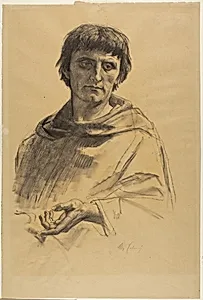
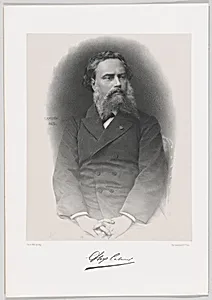
Alexandre Cabanel was a leading French academic painter born on September 28, 1823, in Montpellier. The son of a carpenter, he displayed artistic talent early and began formal training at age eleven at the local École des Beaux-Arts under Charles François Matet. In 1839 he received a municipal scholarship that enabled him to move to Paris, where he enrolled at the École des Beaux-Arts in 1840 and studied under François-Édouard Picot. Cabanel won the second Grand Prix de Rome in 1845, which allowed him to spend several years in Italy refining his skills before returning to France.
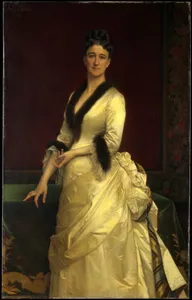
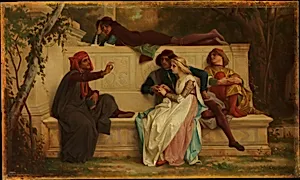
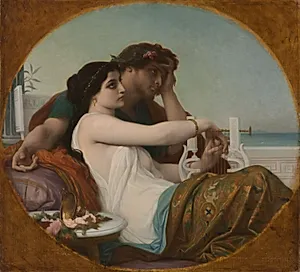
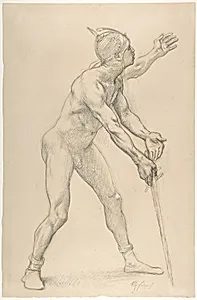
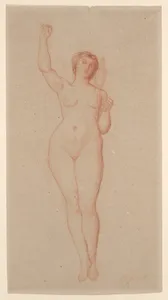
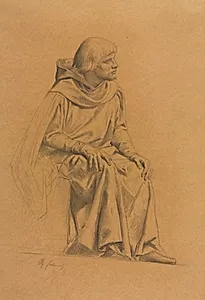
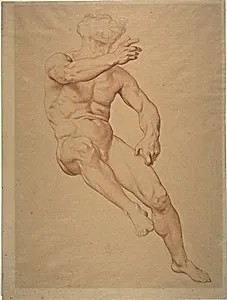
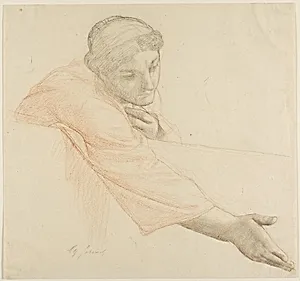
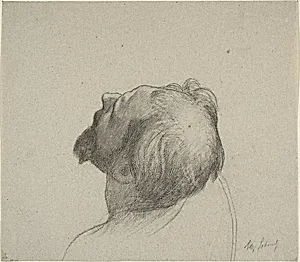
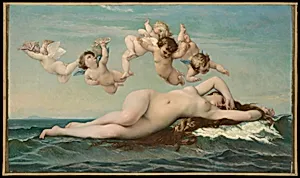
Cabanel worked firmly within the Academic tradition, specializing in historical, classical, and religious subjects rendered with polished technique, idealized forms, and meticulous detail. He also excelled as a portraitist whose elegant likenesses attracted elite patrons, including Napoleon III. Among his most celebrated paintings are *The Fallen Angel* of 1847, which depicts Lucifer after his expulsion from heaven, and the iconic *Birth of Venus* of 1863, a sensual mythological scene that brought him widespread acclaim and was purchased by the French state.
Cabanel enjoyed a distinguished career marked by official honors and steady demand for his work. He served as a professor at the École des Beaux-Arts, where he mentored numerous students who carried forward academic principles into the later nineteenth century. His refined style and technical mastery helped define French academic painting during its height, and his influence persisted through both his own canvases and the generations of artists he trained. Cabanel died in Paris on January 23, 1889, at the age of sixty-five.