Ctrl K
1884–1920
Amedeo Modigliani (1884–1920) was an Italian painter and sculptor whose elegant, elongated figures and portraits rank among the most instantly recognizable images in modern art. Born in Livorno, Tuscany, to a Sephardic Jewish family, he studied at the academies of Florence and Venice before moving permanently to Paris in 1906, where he immersed himself in the bohemian artistic milieu of Montmartre and Montparnasse.
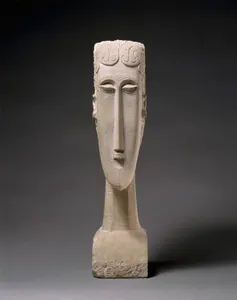
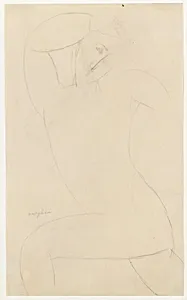
In Paris, Modigliani initially focused on sculpture, producing carved stone heads and caryatids inspired by African art, Cycladic sculpture, and the work of Constantin Brancusi. Health problems — he suffered from tuberculosis throughout his life — eventually forced him to abandon the physically demanding work of stone carving and concentrate on painting.
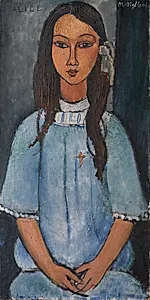
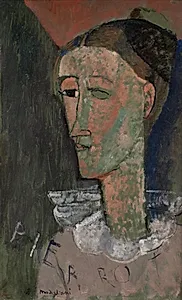
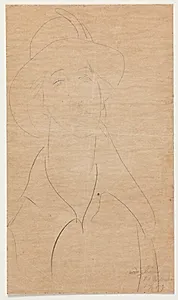
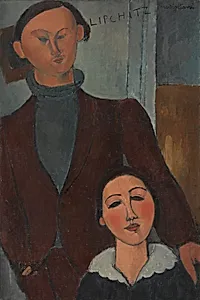
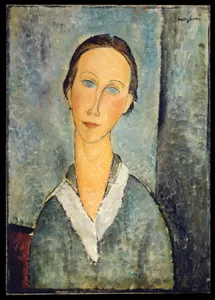
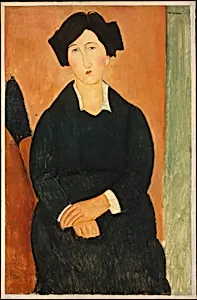
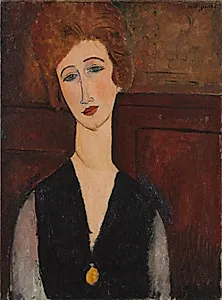
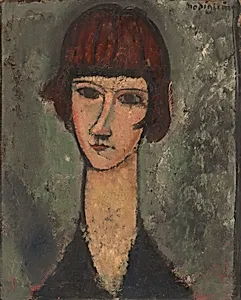
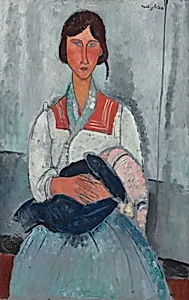
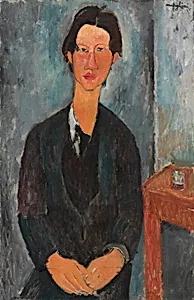
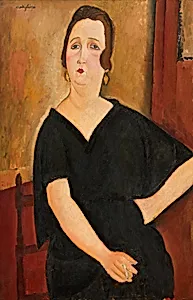
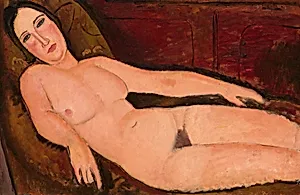
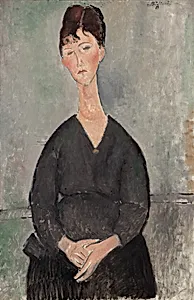
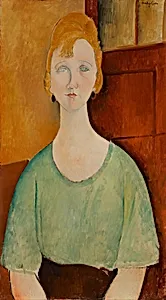
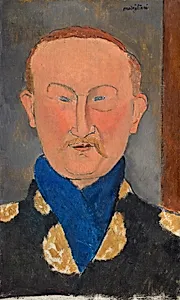
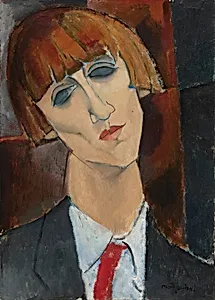
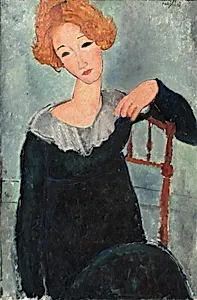
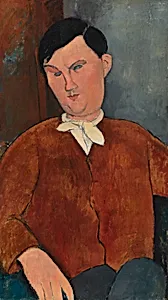
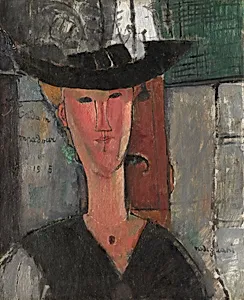
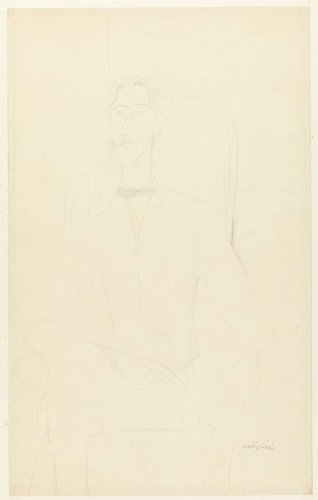
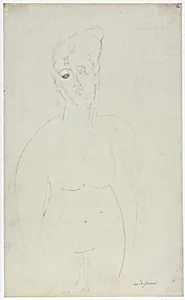
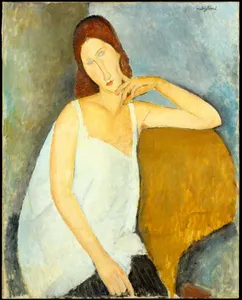
Modigliani's mature paintings, produced primarily between 1914 and 1919, consist almost entirely of portraits and nudes. His signature style — elongated necks, almond-shaped eyes often depicted without pupils, simplified oval faces, and sinuous linear contours — created an unmistakable visual language that synthesized influences from Italian Renaissance painting, African sculpture, and the formal innovations of Cézanne and Cubism into something entirely personal. His nude series, exhibited at his only solo show in 1917, caused a scandal and was shut down by police.
Modigliani died of tubercular meningitis at thirty-five, impoverished and largely unrecognized during his lifetime. His reputation grew rapidly after his death, and his paintings now command among the highest prices in the art market. His work is held by the Museum of Modern Art, the Tate, the Musée de l'Orangerie, the Solomon R. Guggenheim Museum, and major museums worldwide.