Ctrl K
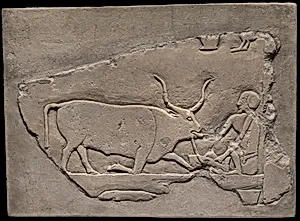
Ancient Egyptian artists, a collective of highly skilled artisans spanning over three millennia from the Predynastic period (c. 6000–3150 BC) to the Roman era (30 BC–4th century AD), produced some of humanity's most enduring masterpieces. These anonymous craftsmen, often organized in state-sponsored workshops, lived in dedicated communities like Deir el-Medina near Luxor during the New Kingdom (c. 1550–1069 BC). There, generations of tomb builders, painters, and sculptors worked in family-based teams, with boys apprenticing under fathers or uncles to master techniques in stone carving, painting, and jewelry-making. This hereditary training system ensured stylistic continuity, as seen in royal workshops attached to temples and palaces.
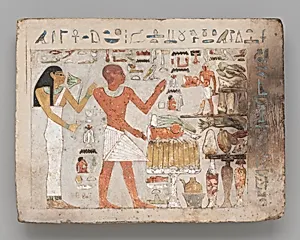
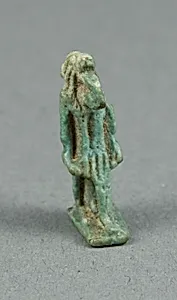
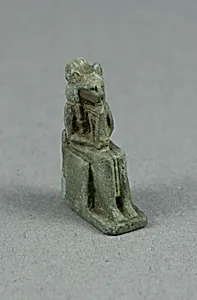
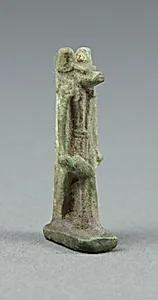
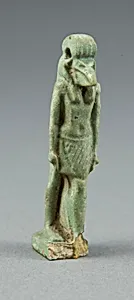
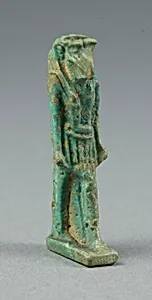
Working in the canonical tradition of ancient Egyptian art, these artisans adhered to rigid conventions emphasizing Ma'at—cosmic order—through frontality, axial symmetry, and hierarchical proportions where pharaohs and gods towered largest. Figures combined profile heads with frontal torsos, using symbolic colors like red for male vitality and green for rebirth, all rendered in durable media such as stone, faience, and gold. This conservative style, with rare named masters like Imhotep (architect of Djoser's Step Pyramid, c. 2630–2611 BC) and Thutmose (creator of the Bust of Nefertiti, c. 1353–1335 BC), prioritized eternal functionality over individualism, evolving subtly across periods like the naturalistic Amarna interlude under Akhenaten.
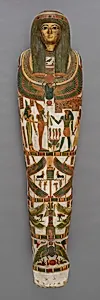
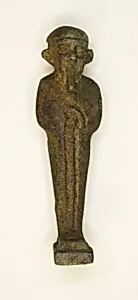
Iconic works exemplify their genius: the Palette of Narmer (c. 3100 BC), celebrating Egypt's unification; the Great Sphinx and Giza Pyramids (c. 2580–2560 BC) of the Old Kingdom; the gold Death Mask of Tutankhamun (c. 1323 BC); and temple reliefs at Karnak. Funerary art, from ushabti figurines to wall paintings in the Valley of the Kings, magically sustained the ka (soul) in the afterlife.
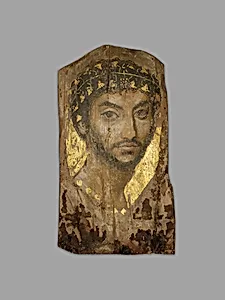
Their legacy reverberates through Greco-Roman sculpture, Renaissance revivals, and 19th-century Egyptomania, inspiring Art Deco motifs and modern architecture like obelisks worldwide. By blending religion, symbolism, and technical prowess, ancient Egyptian artists crafted a visual language of eternity that continues to captivate.