1650–1750
Movements
Occupations
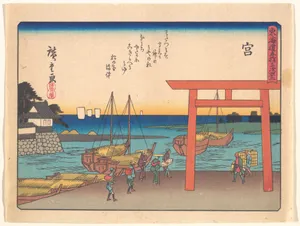
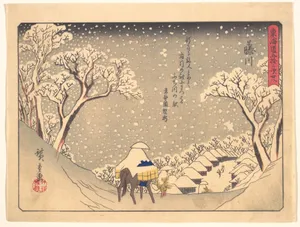
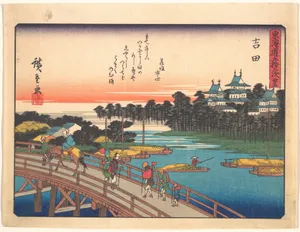
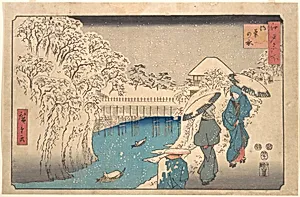
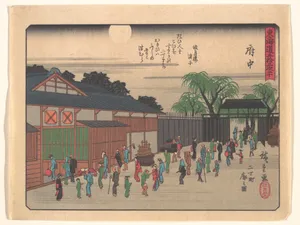
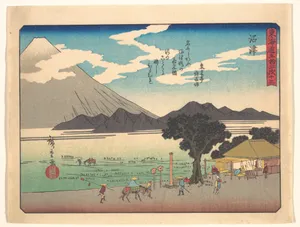
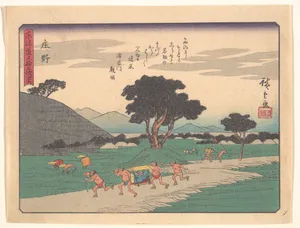
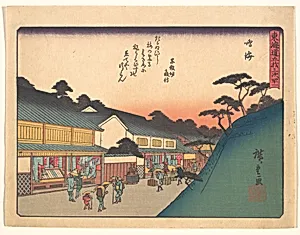
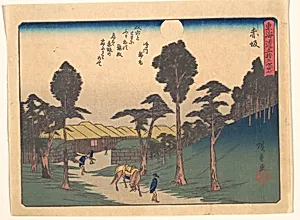
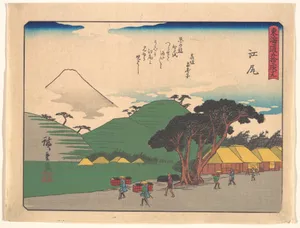
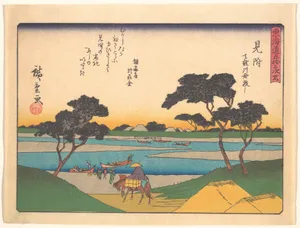
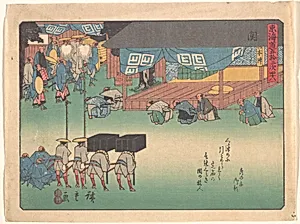
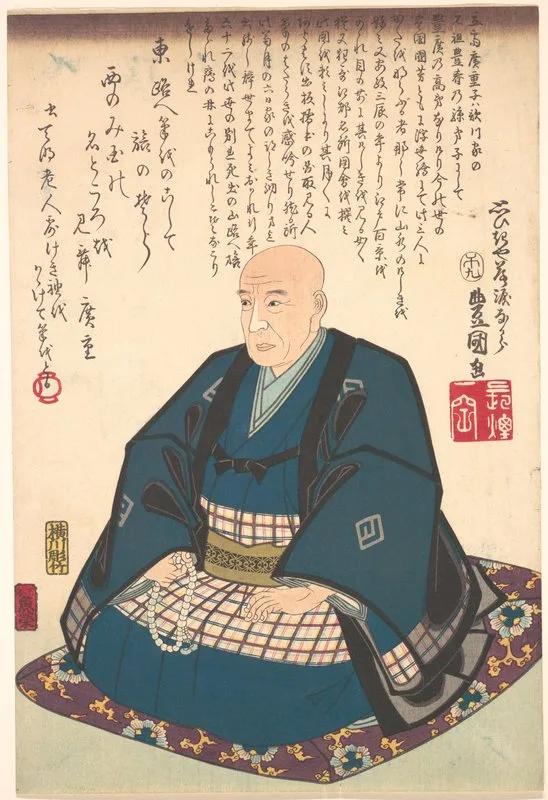
Utagawa Hiroshige (1797–1858), born Andō Tokutarō, was the last great master of Japanese ukiyo-e woodblock printmaking and one of the most influential landscape artists in history. Born in Edo (modern Tokyo) into a low-ranking samurai family serving as fire wardens, Hiroshige transformed landscape printmaking into a poetic meditation on nature, weather, and everyday life. His revolutionary approach elevated the landscape genre within ukiyo-e, which had traditionally focused on courtesans and kabuki actors. His masterpiece series 'The Fifty-three Stations of the Tōkaidō' (1833–34), inspired by an actual journey along the highway connecting Edo to Kyoto, established his international reputation. His final great work, 'One Hundred Famous Views of Edo' (1856–58), profoundly influenced Western Impressionism—Vincent van Gogh directly copied two of these prints in 1887. Producing over 8,000 works before dying of cholera in 1858, Hiroshige earned recognition as the master of mist, snow, and rain for his unparalleled atmospheric effects.
Born in 1797 in Edo (Tokyo) as Andō Tokutarō into a low-ranking samurai family serving as fire wardens.
Inherited his father's fire warden position at age thirteen after both parents died within months of each other.
Rejected by the prominent Utagawa Toyokuni, he studied under Utagawa Toyohiro from around 1811.
Also studied the Chinese-influenced Nanga style with Ōoka Umpō and absorbed Shijō school ink wash techniques.
At age twenty-seven in 1822, retired from hereditary fire warden post to become a full-time artist.
Initially focused on traditional ukiyo-e subjects: bijin-ga (beautiful women) and yakusha-e (actor prints).
After Toyohiro's death, shifted focus to landscapes with 'Famous Views of the Eastern Capital' (1831).
Developed distinctive style combining atmospheric effects with human presence in landscape.
In 1832, traveled the Tōkaidō highway between Edo and Kyoto, possibly accompanying an official procession.
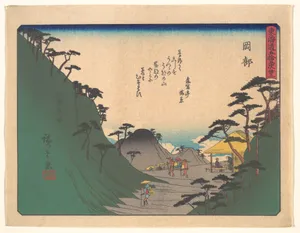
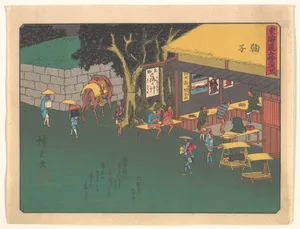
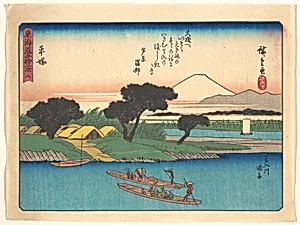
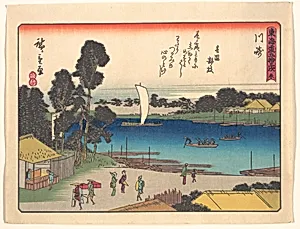
Published 'The Fifty-three Stations of the Tōkaidō' (1833–34), which became an immediate sensation.
The series established his reputation as the leading landscape artist, rivaling even Hokusai.
Produced numerous other landscape series depicting famous places throughout Japan.
Continued prolific output of landscape series and individual prints.
Created his final masterwork 'One Hundred Famous Views of Edo' (1856–58), using innovative vertical format.
Van Gogh would later copy two prints from this series, 'Plum Park in Kameido' and 'Sudden Shower over Shin-Ōhashi Bridge.'
Died suddenly of cholera on October 12, 1858, during an epidemic in Edo; his death marked the decline of classical ukiyo-e.
Artheon Research Team
Last updated: 2025-11-28
Biography length: ~850 words
Wikidata/Wikimedia Commons