Ctrl K
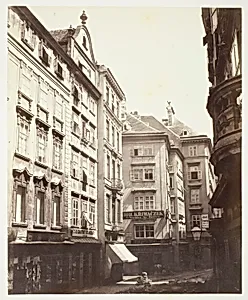
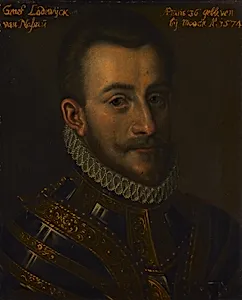
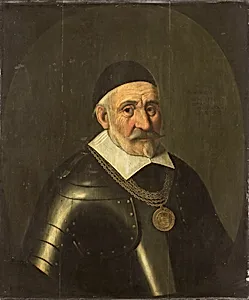
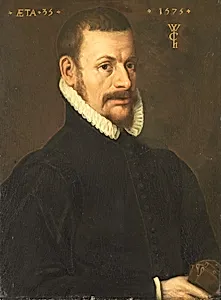
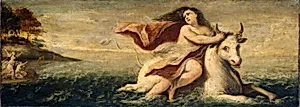
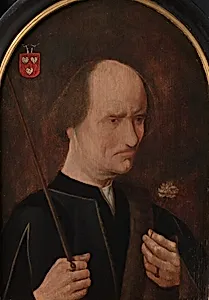
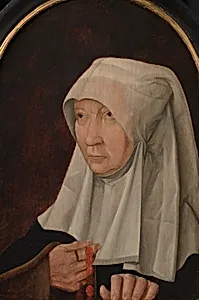
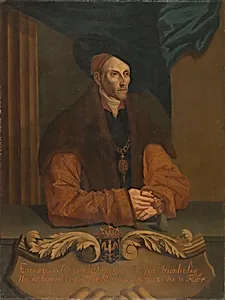
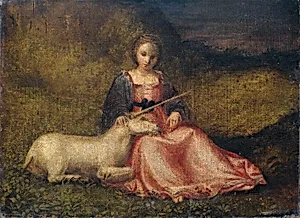
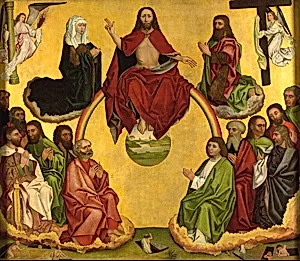
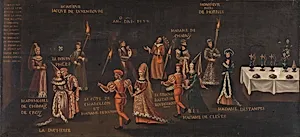
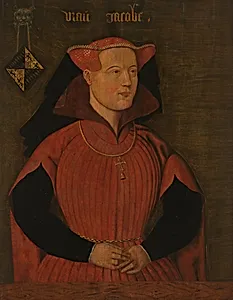
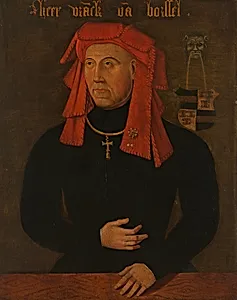
In the vast tapestry of art history, "Anonymous" stands not as a singular individual but as a collective designation for countless unidentified creators whose works have endured across millennia. These artists, spanning prehistoric cave painters to medieval illuminators and folk craftsmen, produced the foundational layers of human visual culture. Prior to the Renaissance, when individual fame emerged through figures like Vasari's chronicled masters, authorship was often communal, workshop-based, or deliberately obscured by cultural norms emphasizing the sacred or collective over the personal. In this virtual museum's collection alone, 740 artworks bear the mark of Anonymous, representing a treasure trove from diverse eras and regions, from ancient pottery to Renaissance panel paintings.
Little is documented about the early lives, training, or personal relationships of these creators, as records simply do not exist—artifacts speak where biographies cannot. They operated within established traditions rather than under named mentors: Gothic sculptors in cathedral workshops, Byzantine icon painters in monastic settings, or Netherlandish illuminators following guild apprenticeships. Family ties occasionally surface indirectly, as with workshop dynasties like the Campionesi Masters, a group of Italian sculptors including Ugo, Bonino, and Giovanni da Campione, who built religious structures in the 12th-14th centuries. Styles varied wildly—raw prehistoric vigor in Lascaux murals, refined linearity in Dipylon Master vases, or emotive naturalism in the Master of Castelseprio's 8th-century frescoes—reflecting regional schools from Siena's 15th-century Osservanza Master to the Flemish Master of Frankfurt.
Among the most celebrated Anonymous contributions are timeless masterpieces like the Bayeux Tapestry (c. 1070s), an embroidered chronicle of the Norman Conquest; the 13th-century Naumburg Master's sculptural ensemble at Naumburg Cathedral; and the Master of the Rohan Hours' lavish 15th-century illuminations. Specific dated gems include the Master of the Fresco of the Twelve Moons' secular mural (1391–1407) in Italy's Castello del Buonconsiglio and the Franciscan Crucifixions Master's devotional panels from the 13th century. These works, often devotional or narrative, showcase technical mastery in tempera, fresco, and engraving, bridging antiquity to modernity.
The legacy of Anonymous endures as the bedrock of art collections worldwide, comprising the majority of antiquities, medieval manuscripts, and ethnographic objects. They remind us that genius transcends names, fueling stylistic evolutions—from the shift to individualism in the Renaissance to modern appreciations of outsider and street art. In an era obsessed with celebrity, these 740 pieces celebrate the anonymous hand, inviting viewers to honor the art itself over its elusive maker.