Ctrl K
1400–1500
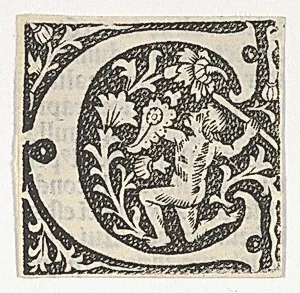
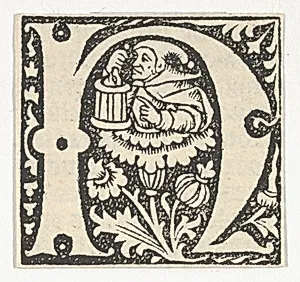
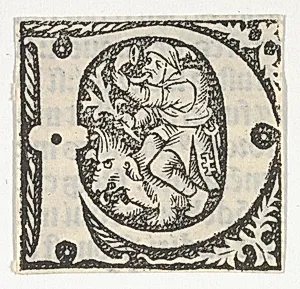
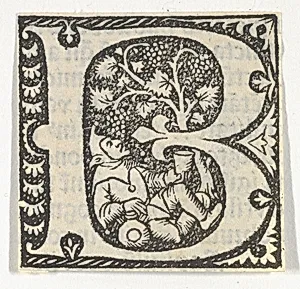
The artist known only as Anonymous, French, 15th century, represents one of the many unidentified creators whose works survive from a transformative era in French art. Active between roughly 1400 and 1500, this figure contributed to the rich tradition of late medieval and early Renaissance painting in France, a period marked by the transition from Gothic conventions toward greater naturalism and humanism. With no recorded name, biography, or signature on the surviving pieces, the artist’s personal history remains entirely unknown, leaving scholars to focus instead on the stylistic and technical qualities of the thirteen works attributed to this hand in museum collections.
French art of the fifteenth century often blended local traditions with influences from neighboring regions, particularly the detailed realism of Flemish masters and the emerging interest in perspective seen in Italian works. Anonymous works from this time frequently appear in illuminated manuscripts, devotional panels, and altarpieces, featuring delicate line work, vibrant colors, and religious or courtly subjects. Without documented training or a named mentor, it is impossible to trace this artist’s education, though the refined technique evident in the attributed pieces suggests familiarity with the workshops and guilds active in centers such as Paris, Tours, or Bourges.
Despite the lack of biographical details, these thirteen artworks offer valuable insight into the visual culture of late medieval France. They demonstrate the period’s emphasis on piety, chivalry, and emerging secular themes, rendered with a sensitivity to light, texture, and human expression that anticipates later developments. The legacy of such anonymous creators lies in their collective contribution to our understanding of French artistic evolution; their surviving pieces continue to enrich museum holdings and scholarly study, reminding viewers that many of the era’s most compelling images were produced by hands whose identities have been lost to time.