Ctrl K
1800–1900
**Anonymous, Indian, 19th Century (ca. 1800–1900)**
The artist cataloged as Anonymous, Indian, 19th century represents one of countless skilled Indian painters whose identities remain elusive in historical records, active during a transformative era under British colonial influence. Working roughly between 1800 and 1900, this anonymous figure exemplifies the legion of indigenous artists who adapted traditional techniques to meet the demands of European patrons, particularly those affiliated with the East India Company. Little is known of their early life or formal training, as personal details for such creators are not well documented; however, they likely drew from the late-Mughal miniature painting traditions prevalent in northern and eastern India.
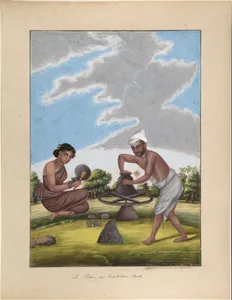
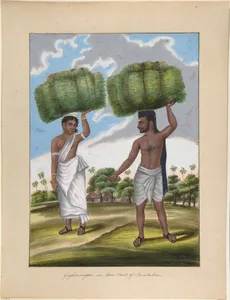
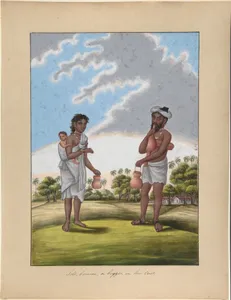
This artist worked in the Company School tradition, a hybrid Indo-European style that flourished from the late 18th to mid-19th century in cities like Calcutta, Patna, and Lucknow. Characterized by vibrant watercolors and gouache on paper, these works blended meticulous Indian detailing—fine lines, flattened perspectives, and symbolic motifs—with Western interests in realism, natural history, and ethnography. Subjects often included detailed depictions of Indian daily life, blending the exotic allure for British viewers with documentary precision.
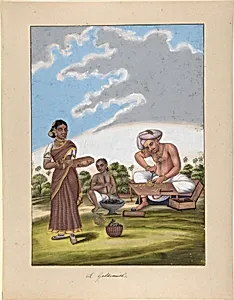
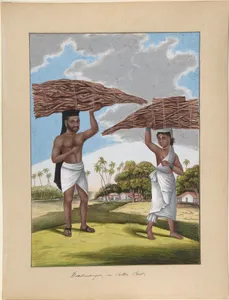
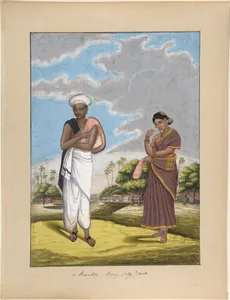
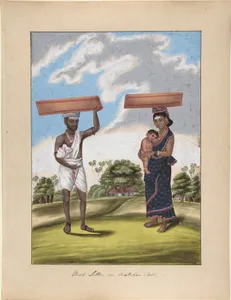
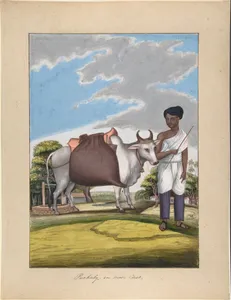
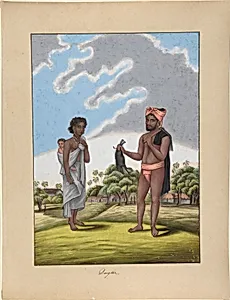
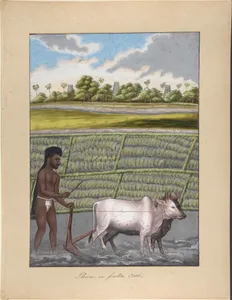
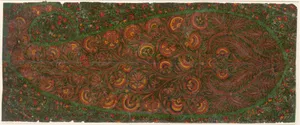
Among the most notable contributions are paintings from the "Indian Trades and Castes" series, dated around 1840 and housed in prominent collections like the Metropolitan Museum of Art, with at least 11 known works in this virtual museum's holdings. These include vivid portraits such as *Dugler*, *A Goldsmith*, *Woodmonger in Culla Caste*, *Mad-seller in Malabar Cast*, and *A Banker in Barry Selly Cast*, showcasing diverse professions from beggars to merchants with remarkable attention to costume, tools, and social hierarchy. Other examples feature Kashmir shawl motifs, highlighting technical virtuosity in pattern design.
The legacy of this anonymous artist endures through their role in preserving a visual ethnography of pre-modern India, offering invaluable insights into caste systems, occupations, and material culture at the cusp of colonial modernity. Company School works like these bridged artistic worlds, influencing later Indian modernism while serving as cherished souvenirs for Europeans, their anonymity underscoring the collaborative yet unequal dynamics of empire. Today, these 11 pieces stand as testaments to unsung mastery, inviting viewers to appreciate the humanity behind the trades immortalized on paper. (312 words)