Ctrl K
1500–1640
The artist known only as Anonymous, Italian, 16th to early 17th century, remains one of the many unidentified figures whose works survive in museum collections today. Active between roughly 1500 and 1640, this individual produced drawings, ornamental panels, and devotional subjects during a transformative period in Italian art that bridged the late Renaissance and the emerging Baroque. With no recorded name, biography, or documented training, the artist’s personal history is entirely lost, yet the surviving output reveals a skilled hand working in the prevailing artistic currents of the time.
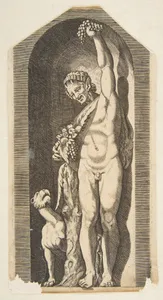
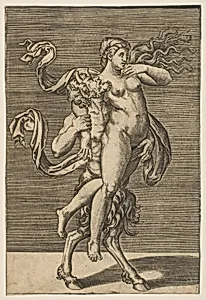
Stylistically, the works align with the elegant, elongated forms and refined draftsmanship associated with Mannerist traditions, particularly those radiating from central and northern Italy. Several pieces in museum holdings are explicitly noted as after or in the manner of masters such as Parmigianino and Agostino Veneziano, suggesting the artist may have trained in or been familiar with workshops that disseminated these influential designs. Media range from red-chalk studies and brush-and-wash drawings to decorative panels, indicating versatility across preparatory and finished formats common in the period.
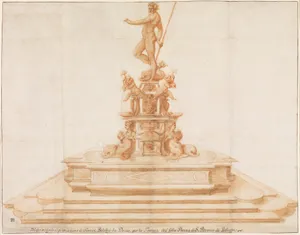
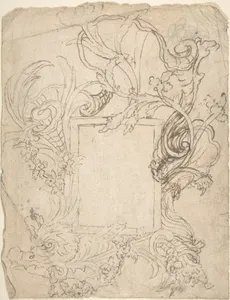
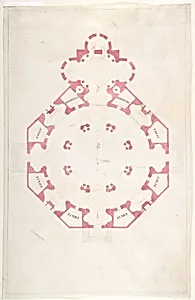
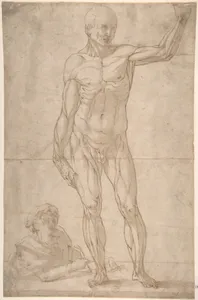
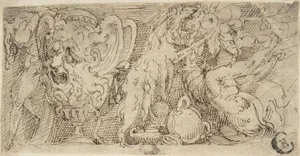
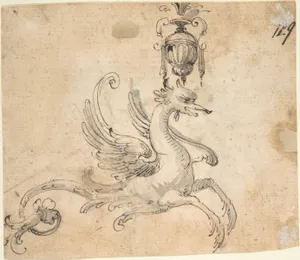
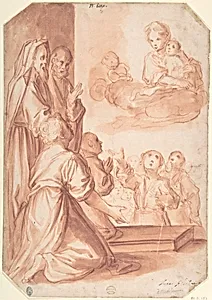
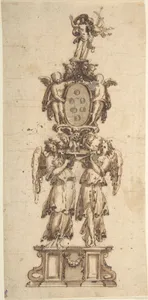
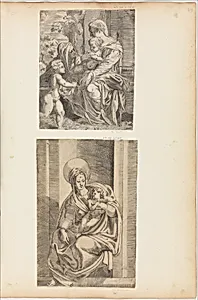
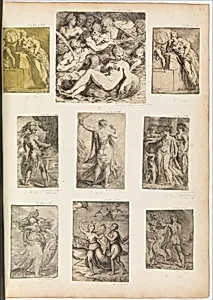
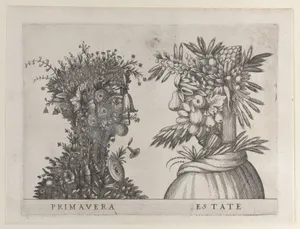
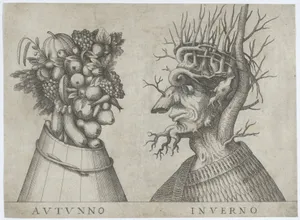
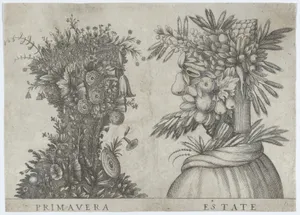
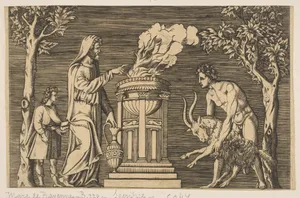
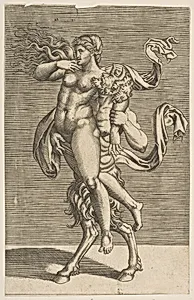
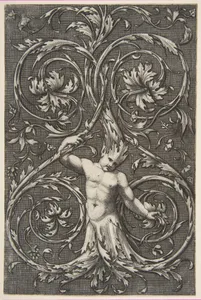
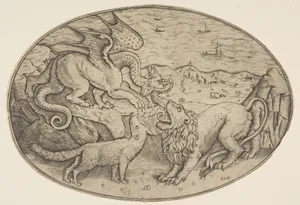
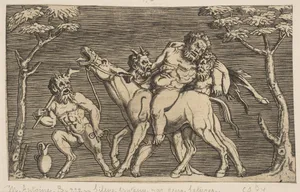
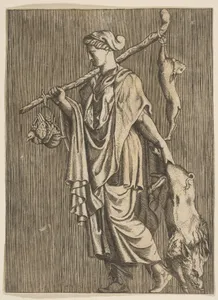
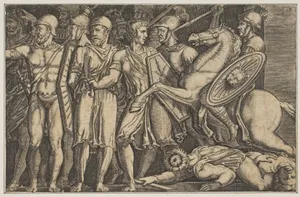
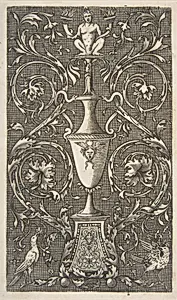
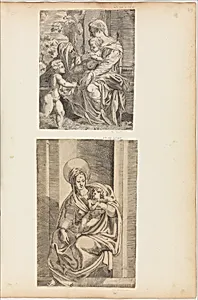
Among the forty-four works attributed to this hand in the present collection are ornamental designs, religious scenes such as an Annunciation, and figure studies that demonstrate careful attention to drapery, proportion, and decorative detail. These pieces, while unsigned, contribute meaningfully to our understanding of artistic production outside the spotlight of named masters. They illustrate how anonymous practitioners sustained and adapted established visual languages for both ecclesiastical and secular patrons.
Today, the artist’s legacy lies in the quiet persistence of these objects within public collections, where they serve as valuable documents of everyday workshop practice during one of Italy’s most dynamic artistic eras. Rather than standing as isolated masterpieces, they enrich broader narratives of continuity and variation in sixteenth- and early-seventeenth-century Italian art.