Ctrl K
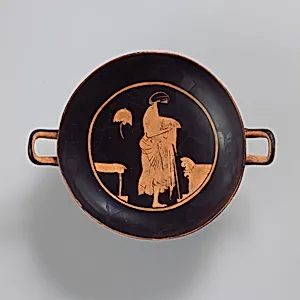
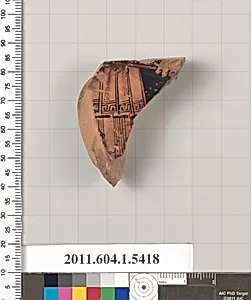
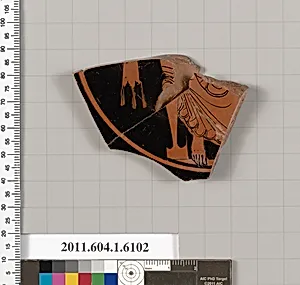
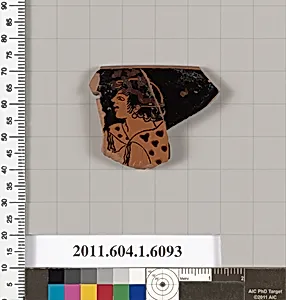
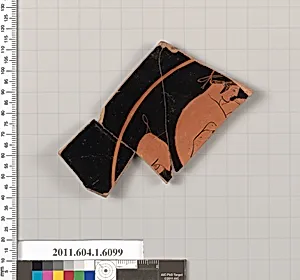
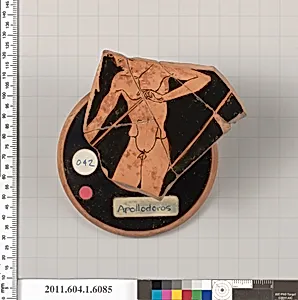
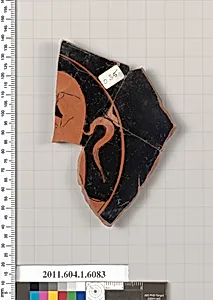
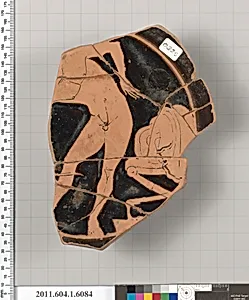
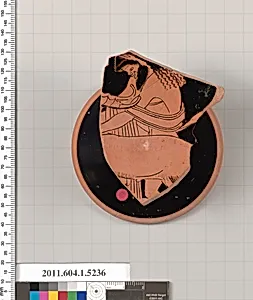
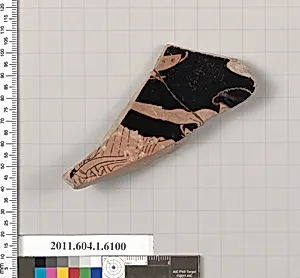
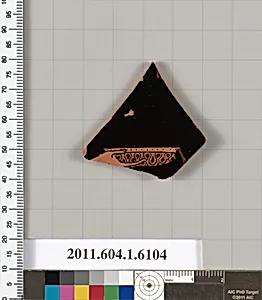
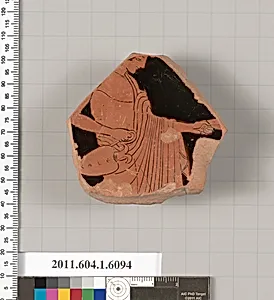
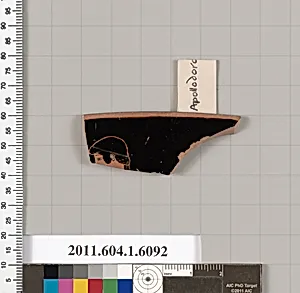
**Apollodoros** was an Attic vase-painter active in Athens around 500 BCE, during the formative years of the red-figure technique. He specialized in decorating drinking cups (kylikes), a format that allowed for intimate, detailed scenes often featuring mythological figures, athletes, or komos revelers. Like many of his contemporaries, he worked within the vibrant Athenian pottery workshops that supplied fine wares across the Mediterranean.
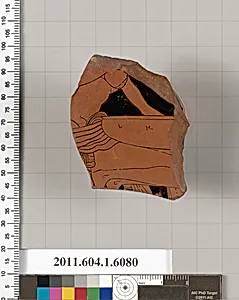
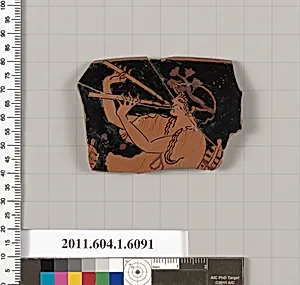
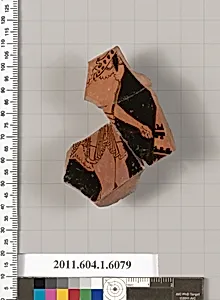
Scholars attribute approximately two dozen to thirty vases to his hand, based on stylistic analysis of the Beazley Archive and museum collections. He signed at least two cups, providing rare direct evidence of his identity. His figures are noted for mannered proportions, elongated fingers, small deep-set eyes, and a distinctive elegance that links him to closely related painters such as the Epidromos Painter and the Kleomelos Painter. These artists formed a loose stylistic circle experimenting with the new red-figure method, which allowed for greater naturalism and interior detail than the earlier black-figure tradition.
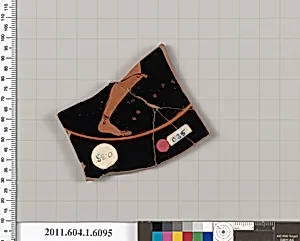
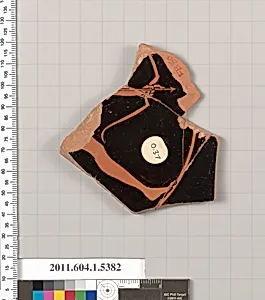
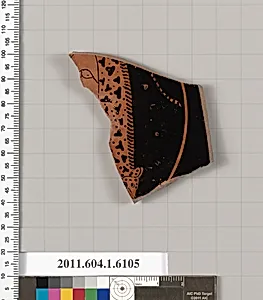
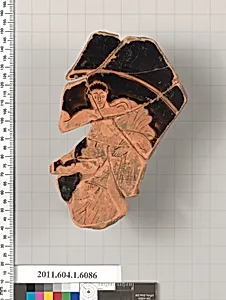
Among his attributed works are red-figure kylikes in major collections, including examples at the Getty Museum featuring kalos inscriptions praising beautiful youths. These cups often combine delicate line work with lively compositions that capture movement and character. Although no teacher is recorded, Apollodoros clearly participated in the rapid technical and artistic advances occurring in Athenian ceramic workshops at the turn of the fifth century BCE.
Apollodoros’s legacy lies in his contribution to the early red-figure style that would dominate Greek vase-painting for generations. His attributed corpus helps modern scholars map the transition from archaic to classical aesthetics on a medium that survives in far greater numbers than panel or wall paintings. Through these surviving vessels, his refined draftsmanship continues to illuminate the artistic vitality of late Archaic Athens.