Ctrl K
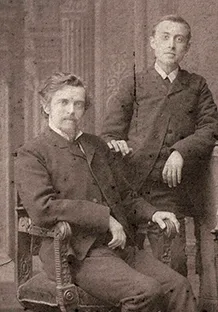
1855–1935
Occupations
Petrus Johannes Arendzen (1846–1932) was a Dutch etcher, draughtsman, and painter who dedicated his career to creating reproductive etchings of Dutch paintings in English collections while living in England from 1873 onward. Born in Amsterdam in 1846, Arendzen married Epiphania, daughter of Johan Stracké, and left his native city to pursue a unique commission from the Dutch Government: to copy the very large number of Dutch paintings held in English collections. This ambitious project reflected 19th-century Dutch cultural nationalism and desire to document the nation's artistic heritage dispersed across Europe. Working with the distinguished art historian Cornelius Hofstede de Groot, who published Arendzen's works and wrote biographies of Dutch painters, Arendzen created etchings after works by masters including Mari ten Kate and Lawrence Alma-Tadema. His decision to reproduce originals in a different medium—etching rather than painted copies—gave his works independent creative validity while serving documentary purposes. His career exemplifies the 19th-century intersection of artistic practice, cultural preservation, and international art historical scholarship.
Petrus Johannes Arendzen was born in 1846 in Amsterdam, growing up during a period of renewed Dutch national consciousness and pride in the country's artistic heritage. The 19th century saw increasing scholarly and governmental interest in documenting and preserving Dutch Golden Age paintings scattered in collections across Europe.
He received artistic training in etching and drawing, developing skills that would prove essential for his later career creating reproductive prints. His marriage to Epiphania, daughter of Johan Stracké, connected him to artistic and possibly scholarly networks that would facilitate his future work.
During his Amsterdam years, Arendzen would have had access to the city's museums and collections, studying Dutch masterworks and developing his understanding of Old Master techniques and styles.
In 1873, at age 27, Arendzen left Amsterdam to live in England, where he would spend the remainder of his long life. This relocation was motivated by a commission from the Dutch Government to document Dutch paintings in English collections—an ambitious project recognizing that many important Dutch works were held in British collections.
The commission specified that reproductions should be made in a different medium from the originals, so Arendzen created etchings rather than painted copies. This decision gave the reproductions independent artistic validity while serving their documentary purpose. Etchings could also be printed in multiples, allowing wider distribution for scholarly and educational use.
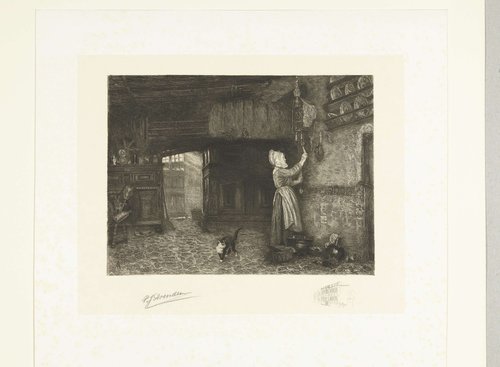
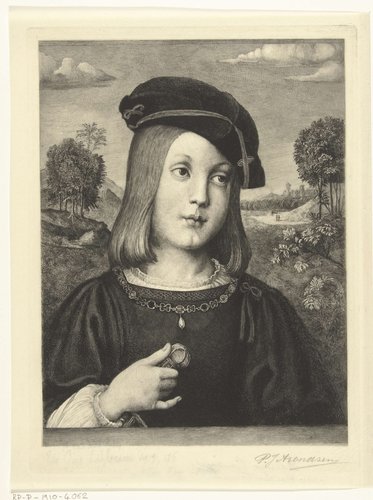
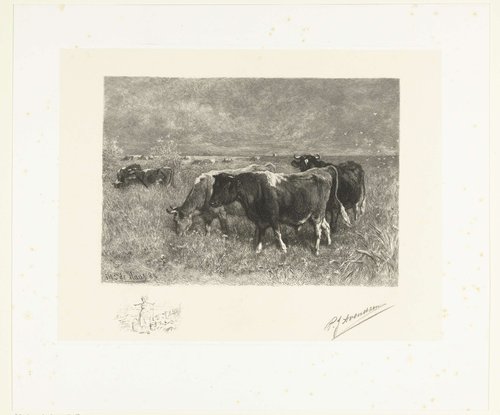
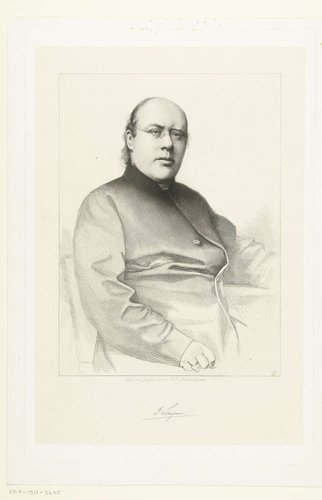
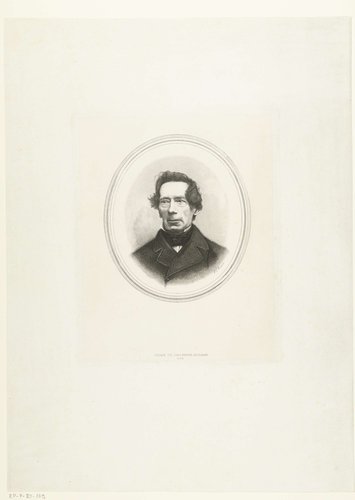
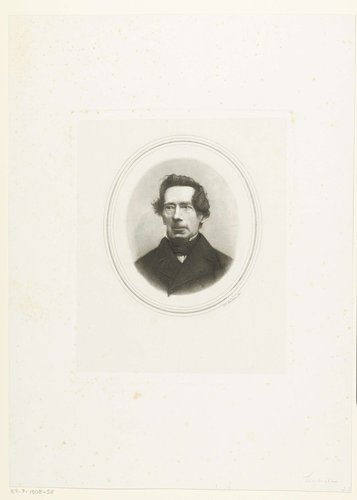
Arendzen systematically worked through English collections, creating etchings that documented compositions, figure arrangements, and the essential character of paintings by Dutch masters. His 1871 portrait of Johannes Bosboom, now in the Rijksmuseum collection, exemplifies his careful, detailed approach to reproductive etching.
His collaboration with Cornelius Hofstede de Groot (1863–1930), one of the most distinguished Dutch art historians of the period, brought scholarly rigor to the project. Hofstede de Groot published Arendzen's works and wrote more than seventy biographies of Dutch painters, creating important art historical documentation that complemented Arendzen's visual records.
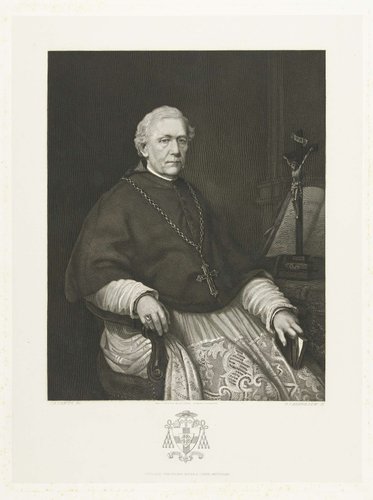
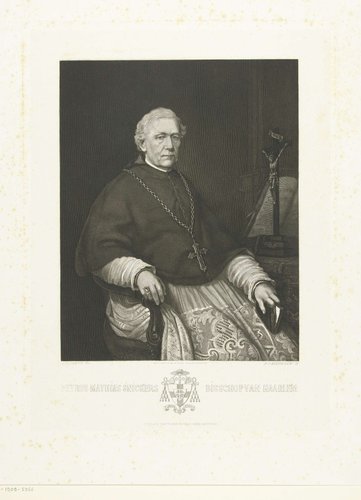
Throughout his later years, Arendzen continued creating etchings after Dutch paintings and works by contemporary artists. His prints after works by Mari ten Kate and Lawrence Alma-Tadema showed his range, reproducing both traditional Dutch genre scenes and contemporary Victorian classical subjects.
His long career in England, spanning nearly six decades, made him a cultural bridge between Dutch and British artistic communities. His work helped British audiences appreciate Dutch painting while providing Dutch scholars with documentation of dispersed national treasures.
Petrus Johannes Arendzen died in 1932 at age 86, having dedicated his life to preserving images of Dutch artistic heritage through his meticulous etchings. His works remain in the Rijksmuseum and other Dutch collections, continuing to serve as valuable documentation of paintings and as examples of 19th-century reproductive printmaking.
Artheon Research Team
Last updated: 2025-11-09
Biography length: ~838 words
Wikidata/Wikimedia Commons