Ctrl K
1503–1553
Augustin Hirschvogel (1503–1553) was born in Nuremberg into a prominent family of stained-glass painters who dominated the city's glass workshops during the late 15th and early 16th centuries. The son of Veit Hirschvogel the Elder (1461–1525), Nuremberg's official glazier who executed designs after Albrecht Dürer and Hans von Kulmbach, Augustin trained as a glass painter in his father's workshop. After his father's death in 1525—the same year Nuremberg embraced the Protestant Reformation, curtailing lavish church commissions—his elder brother Veit the Younger took over the family business. Augustin established his own workshop by 1530 and partnered with potters Oswald Reinhart and Hanns Nickel, producing Venetian-style glassware.
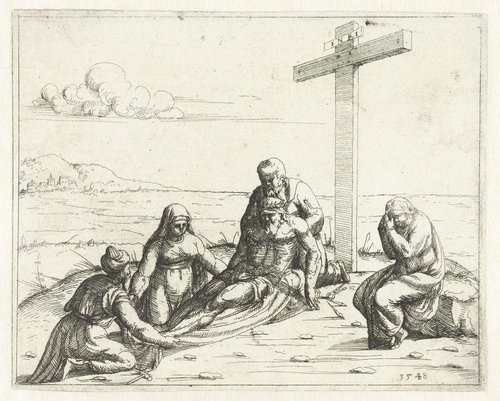
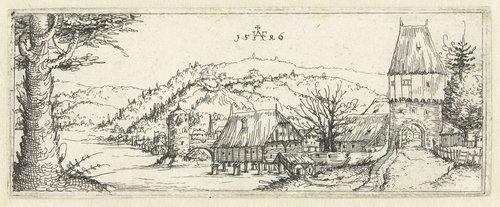
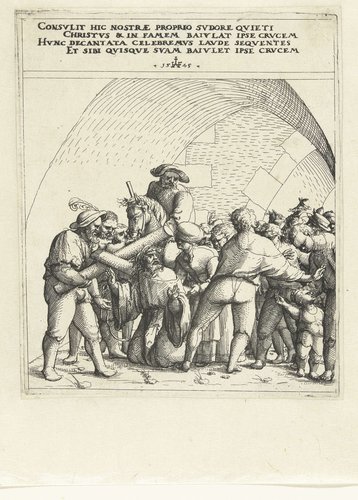
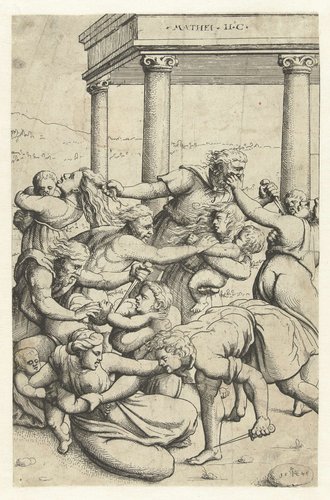
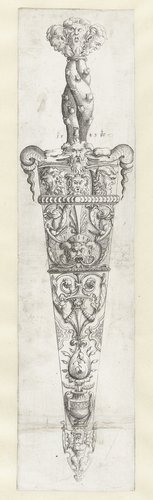
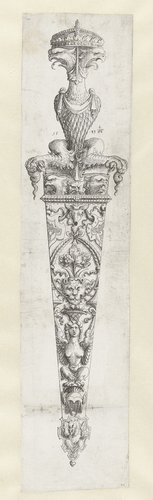
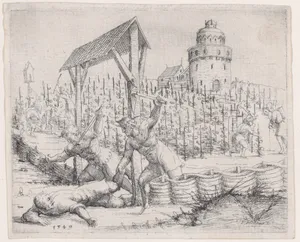
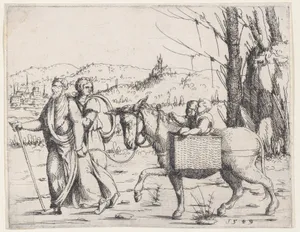
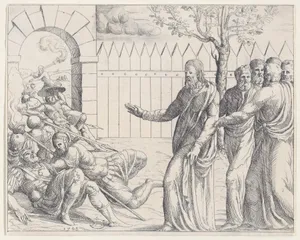
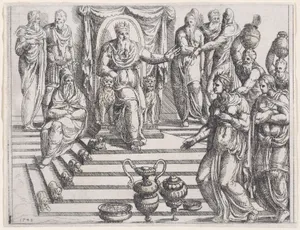
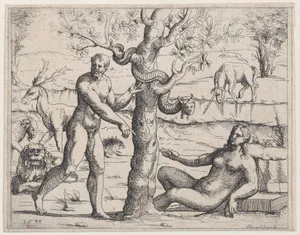
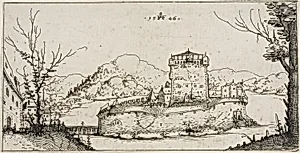
Hirschvogel's versatility shone as he pivoted to etching late in life, producing nearly 300 prints in his final decade, mostly from Vienna. Working in the Nuremberg stained-glass tradition, he embraced copper plates over iron for finer lines and explored Italianate concerns of space, form, and ornament in portraits, book illustrations, and landscapes. His pen-and-ink drawings and etchings—strong yet delicate, shadowless for an idyllic tranquility—echoed Albrecht Altdorfer, Wolf Huber, Dürer, and Sebald Beham, securing his place in the Danube School through 35 small landscape etchings (1545–1549).
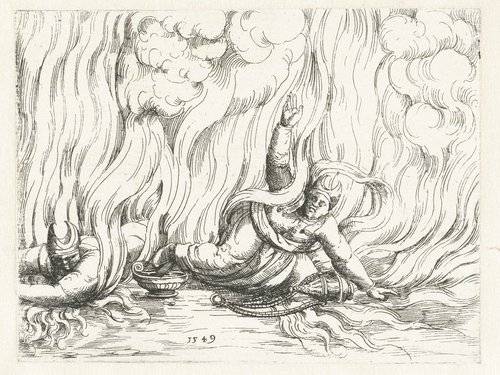
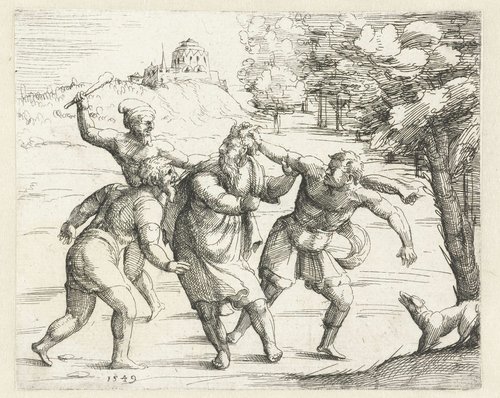
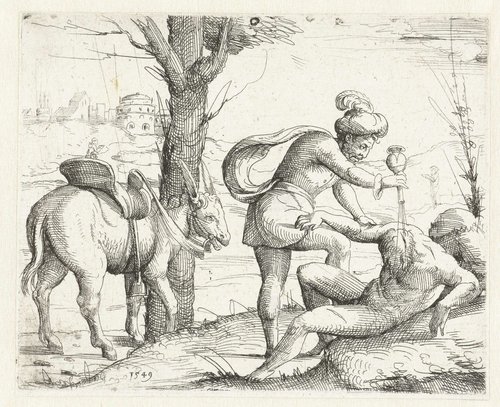
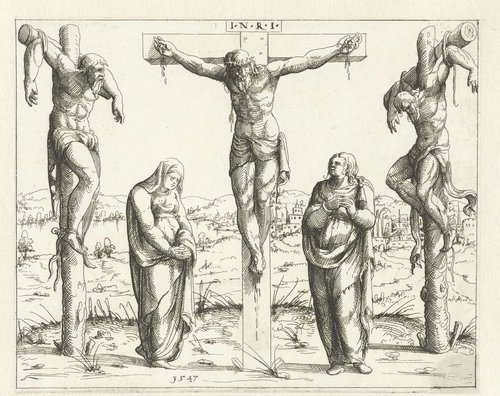
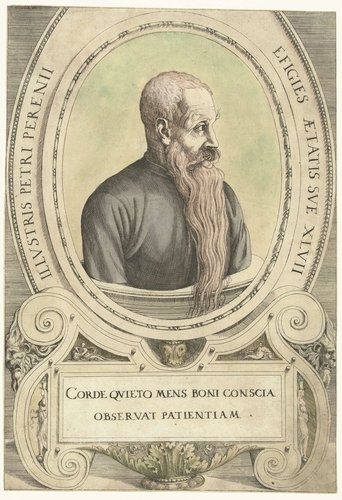
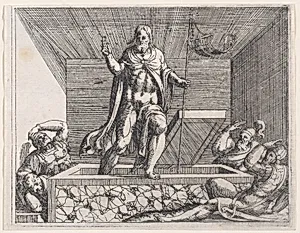
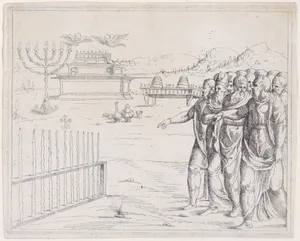
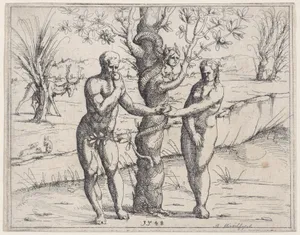
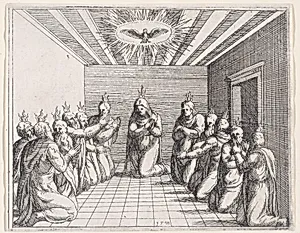
A polymath, Hirschvogel pioneered triangulation for surveying, creating Vienna's first scaled etched views (1547) and a circular city plan after the 1529 Ottoman siege; he mapped Turkish borders (1539) and Austria (1542) for Ferdinand I, earning a pension. Other landmarks include armorials for Franz Igelshöfer and Christoph Khevenhüller (by 1543), 23 etchings for Sigismund von Herberstein's *Rerum Moscoviticarum Commentarii* (1549), over 100 biblical illustrations for Péter Perényi, a self-portrait as cartographer (1548), and possibly Paracelsus's authentic portrait. Traveling from Nuremberg to Laibach (1536), back via Prague and Augsburg, he settled in Vienna (1544), serving court and citizens until his death.
Hirschvogel's legacy endures in his etching innovations and Danube School landscapes, bridging Northern Renaissance precision with emerging cartographic science, while his family's glass legacy influenced generations.