Ctrl K
1502–1540
Movements
Occupations
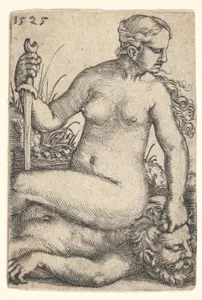
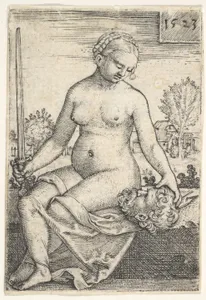
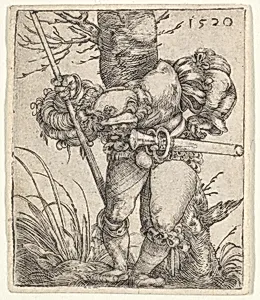
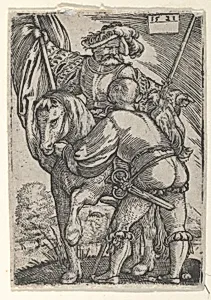
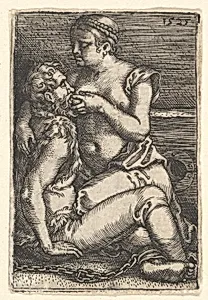
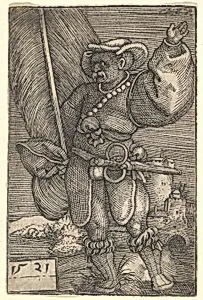
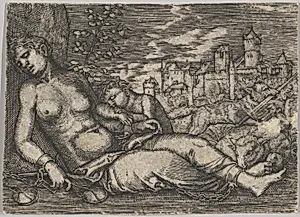
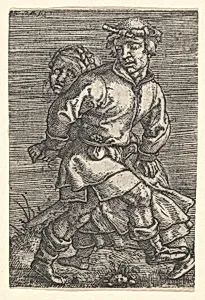
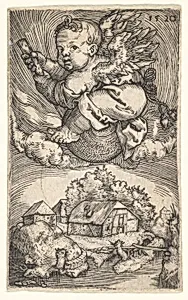
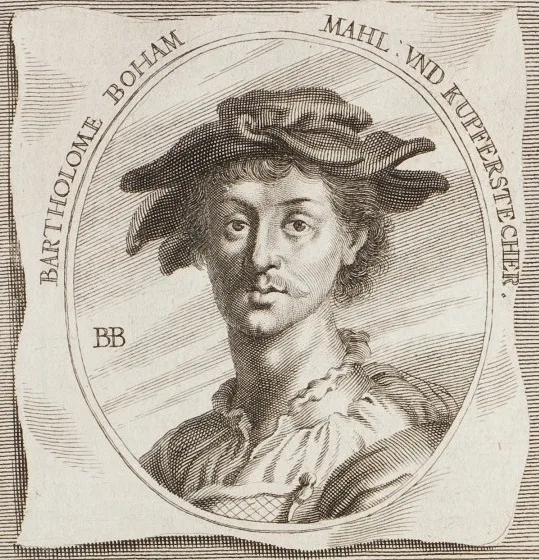
Barthel Beham (1502–1540), a pivotal figure in the German Renaissance, was born in Nuremberg into a family of artists. The younger brother of the renowned engraver Hans Sebald Beham, he honed his craft under the tutelage of his elder sibling and the master Albrecht Dürer, absorbing the precise techniques of engraving and painting that defined Nuremberg's vibrant artistic scene. Emerging as a prodigious talent, Beham aligned with the "Little Masters," a school of German printmakers celebrated for their diminutive yet exquisitely detailed engravings. In the 1520s, he produced masterpieces like *Genius on a Globe Floating in the Air* (1520) and *Judith* (1525), works infused with classical antiquity and subtle parodies of Dürer's motifs, such as his *Nemesis*.
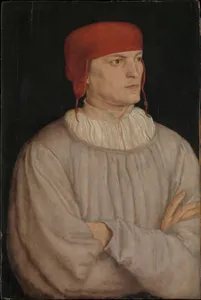
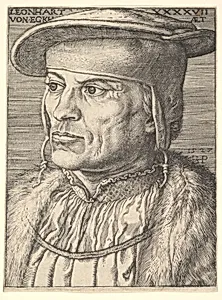
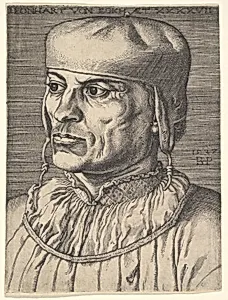
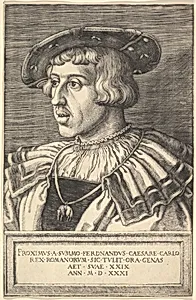
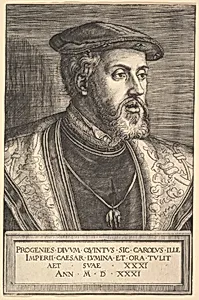
Beham's early promise was disrupted in 1525 when, alongside his brother Sebald and Georg Pencz—the so-called "godless painters"—he was banished from Lutheran Nuremberg for publicly denying core doctrines like baptism, Christ's divinity, and transubstantiation. Pardoned later that year, he departed permanently in 1526 for Catholic Munich, where he thrived as court painter to Dukes William IV and Ludwig X of Bavaria. His portraits of nobility, patricians, and officials, marked by psychological depth and meticulous realism, earned him acclaim as one of Germany's foremost portraitists. Notable commissions include *Chancellor Leonhard von Eck* (1527, Metropolitan Museum of Art), *Portrait of the Goldsmith Jörg Herz* (c. 1525), and *Charles V, Holy Roman Emperor* (1531), alongside depictions of Wittelsbach family members and Emperor Ferdinand (engraving, 1531).
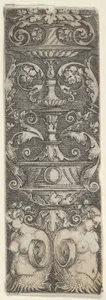
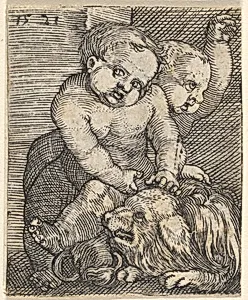
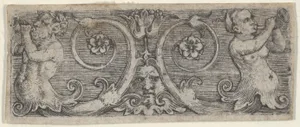
In Munich, Beham shifted toward painting while continuing engravings of secular ornamentation with putti and Italianate motifs, introducing novel flair to German printmaking. Religious works like *Miracle of the True Cross* (1530, Alte Pinakothek, Munich) showcased his versatility. Fascinated by antiquity, he possibly collaborated with Marcantonio Raimondi in Italy. Duke William IV sponsored his final journey there for artistic study, but Beham died prematurely in Bologna at age 38, leaving a legacy of technical brilliance and bold innovation. His brother's inheritance of his plates ensured enduring dissemination of his intricate visions, cementing the Behams' influence on Renaissance print culture.
Wikidata/Wikimedia Commons