Ctrl K
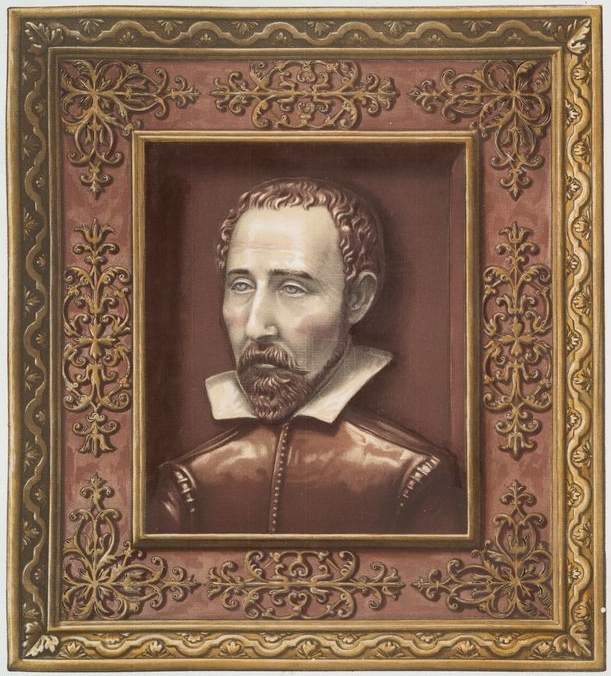
1510–1590
Bernard Palissy (c. 1510–1590), born to a poor family in the Saintonge region of France—possibly in Saintes, Périgord, or near Agen—began his career apprenticed to a glass painter before becoming a wandering journeyman portrait painter, glassworker, and land surveyor across France, the Low Countries, and Italy. He learned the rudiments of pottery in La Chapelle-des-Pots and settled in Saintes as a surveyor, where a glimpse of an exquisite white-glazed cup—likely Chinese porcelain—inspired him to spend sixteen grueling years experimenting with enamels, burning his furniture for fuel amid family hardship. Self-taught through relentless trial, Palissy transformed failure into innovation, mastering colored lead glazes without formal schooling.
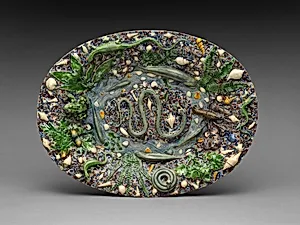
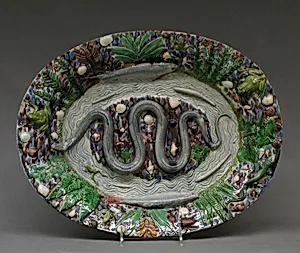
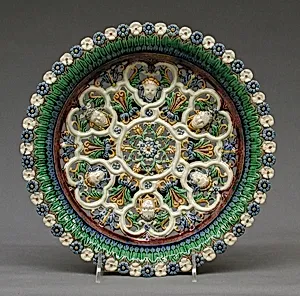
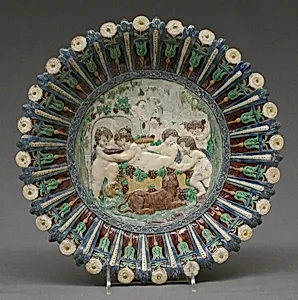
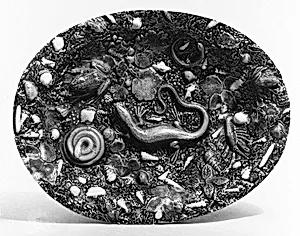
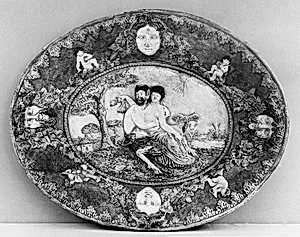
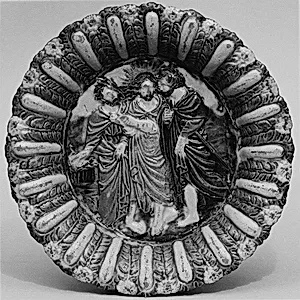
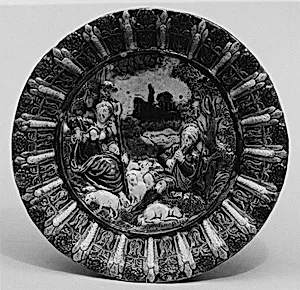
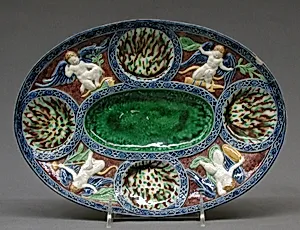
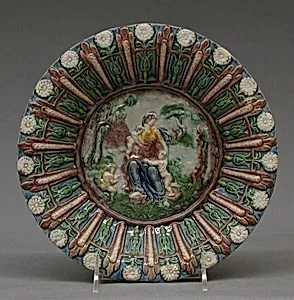
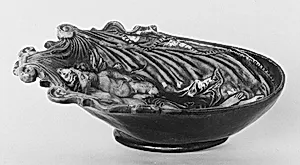
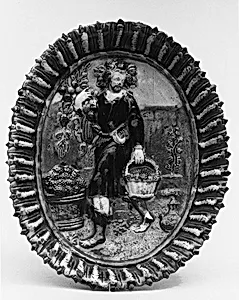
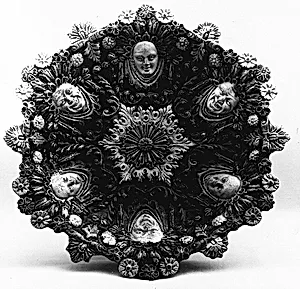
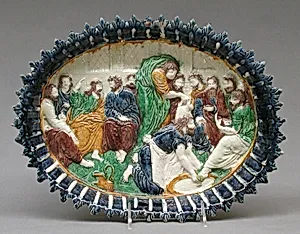
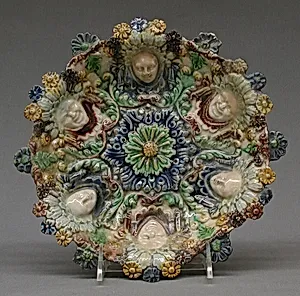
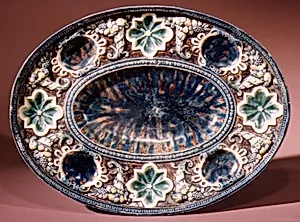
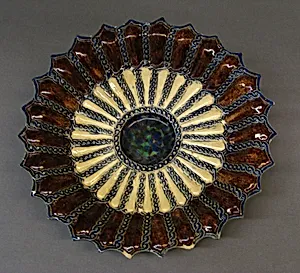
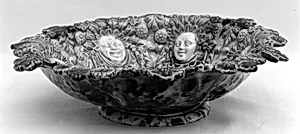
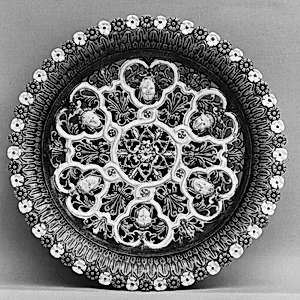
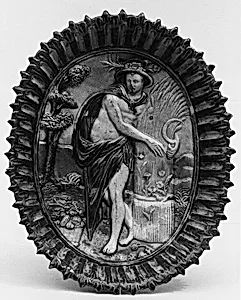
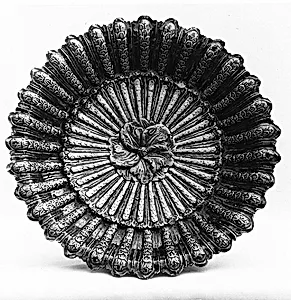
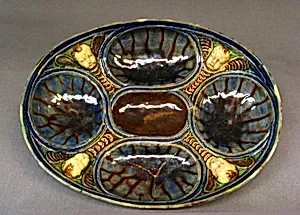
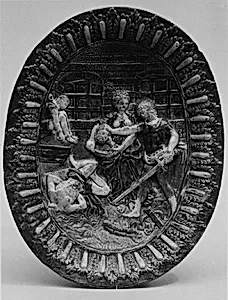
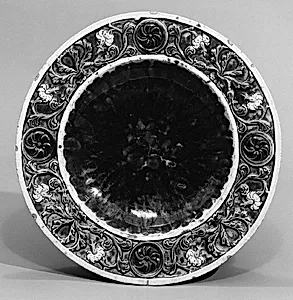
Palissy's signature style, known as "rustiques figulines" or Palissy ware, featured earthenware platters, dishes, ewers, and flasks molded without a wheel, adorned in high relief with vividly glazed casts of real marsh creatures—snakes, lizards, frogs, fish, shells, ferns, and flowers—evoking the Saintonge wetlands in a Mannerist fusion of naturalism and fantasy. Influenced by Italian masters like Cellini and Michelangelo, his works shimmered with tin-opacified glazes in greens, blues, yellows, and purples from metal oxides. Key pieces include rustic platters from c. 1550 depicting sea life, a Pilgrim Flask (1556–67) with snakes and shells, and an oval dish with winged putti; his workshop produced scriptural and mythological reliefs into the 1570s.
In 1542, Palissy impressed Anne, Duc de Montmorency, securing commissions for ceramics at Écouen and Meudon; by 1562, Catherine de' Medici named him "inventor of rustic figurines to the king," protecting his Tuileries workshop—run for 25 years with his sons' aid—despite his 1546 conversion to Huguenot Protestantism. He crafted a famed ceramic grotto for her garden in 1570 and penned *Discours admirables* (1580), pioneering empirical geology, hydrology, and fossil theory. Imprisoned in the Bastille in 1588 for his faith during the Wars of Religion, the octogenarian refused recantation and perished from mistreatment in 1590.
Palissy's legacy endures as a proto-scientist and ceramic visionary, his naturalistic rustic ware inspiring followers until 1800 and Victorian majolica revivals, like Minton's at the 1851 Great Exhibition. His experimental ethos bridged art and science, celebrating nature's "earthly paradise" in enduring clay.