Ctrl K
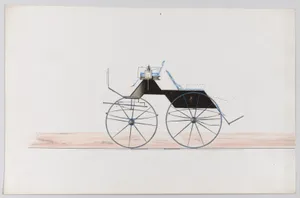
1837
**Brewster & Co.**
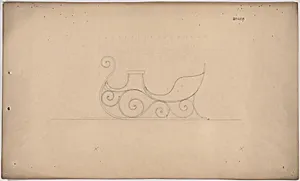
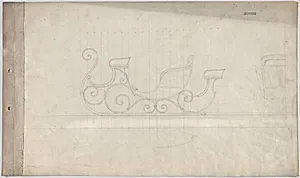
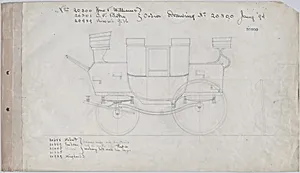
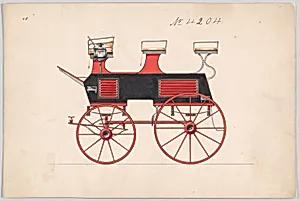
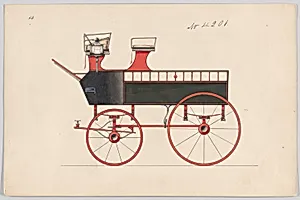
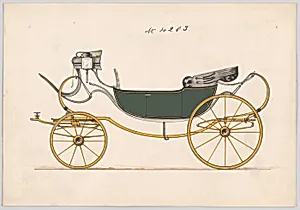
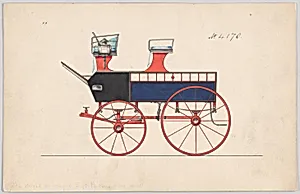
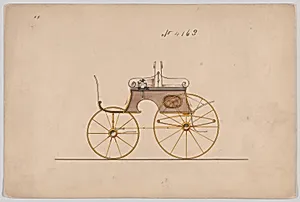
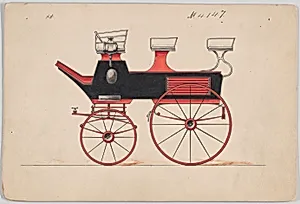
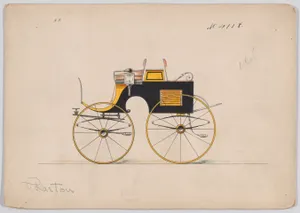
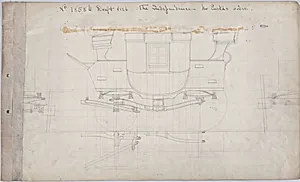
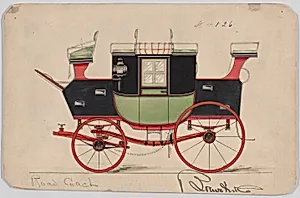
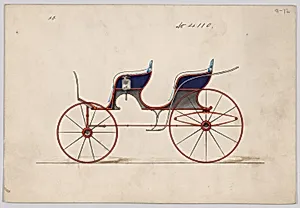
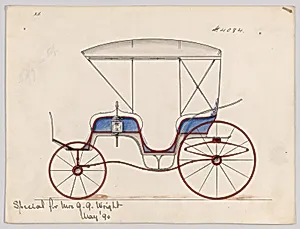
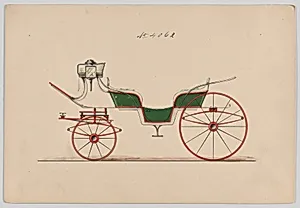
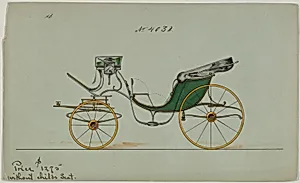
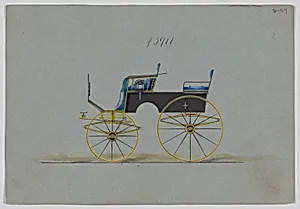
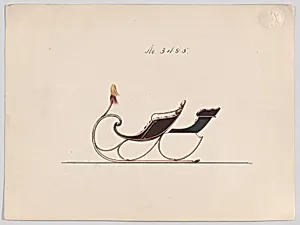
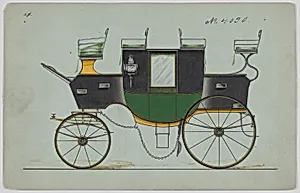
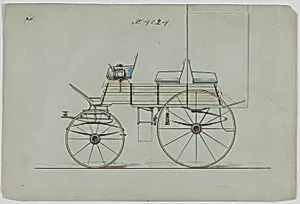
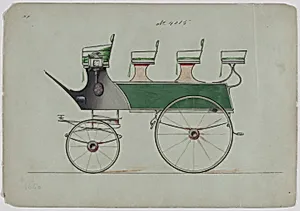
Brewster & Company, a premier American coachbuilder renowned for its exquisite carriage designs, was established in 1810 in New Haven, Connecticut, by James Brewster (1788–1866). Born in 1788, Brewster trained as a wagonmaker's apprentice starting at age 16 in Northampton, Massachusetts, before relocating to New Haven, where he set up his workshop and quickly gained acclaim for superior craftsmanship. The firm expanded rapidly, opening a New York showroom on Broad Street by 1827 and later moving to Broome Street, employing skilled draftsmen to create vibrant watercolor presentation drawings and lithographed trade cards that showcased their luxurious vehicles.
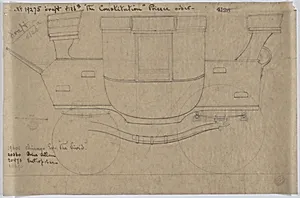
Working in the opulent tradition of Gilded Age coachbuilding, Brewster & Co. produced over 13,347 distinct carriage designs between 1850 and 1903, emphasizing elegant lines, fine finishes, and innovative features tailored to elite clientele. Notable works include the Clarence #631 and Mail Coach #654, both rendered in pen, black ink, and watercolor around 1850–70, as well as trade cards like the ca. 1870 lithograph promoting Broome Street carriages in collaboration with Tiffany & Co. Family members played key roles: James partnered with his eldest son, James Benjamin, in 1838, and later generations, including Henry and William Brewster (1866–1949), sustained the business.
As automobiles emerged, Brewster adapted to bodywork for luxury chassis from Rolls-Royce, Bentley, and others, serving luminaries like J.P. Morgan, Henry Clay Frick, William Rockefeller, and Louis Comfort Tiffany. The company earned the Legion of Honor at the 1878 Paris Exposition for its design excellence. Dissolving in 1923 amid the automotive shift, its vast archive of drawings, prints, and ephemera was donated to The Metropolitan Museum of Art by William Brewster, preserving a vivid record of American vehicular artistry and fueling exhibitions like the 2019 showcase of their Gilded Age legacy. Today, these works illuminate the intersection of industrial innovation and aesthetic refinement in 19th-century America.