Ctrl K
1470–1532
Andrea Briosco, better known by his nickname Riccio ("curly-headed"), was born around 1470 in Padua, the vibrant intellectual hub of Renaissance northern Italy, and died there in 1532. The son of goldsmith Ambrogio di Cristoforo Briosco, he received his initial training in his father's workshop, mastering the delicate techniques of metalwork essential for his future mastery of bronze. Riccio then studied bronze casting under Bartolomeo Bellano, a distinguished pupil of Donatello, immersing himself in Padua's illustrious tradition of sculptural innovation that traced back to the great quattrocento master himself.
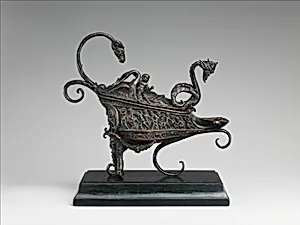
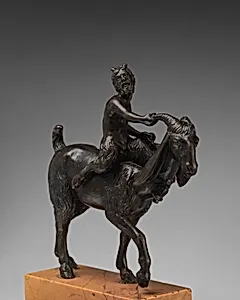
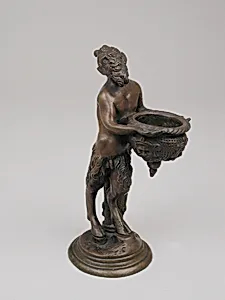
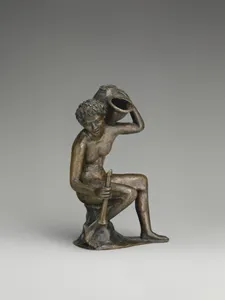
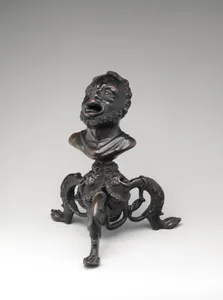
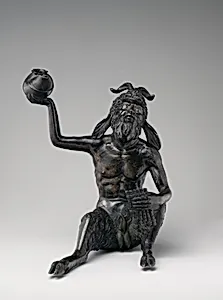
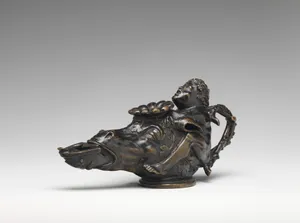
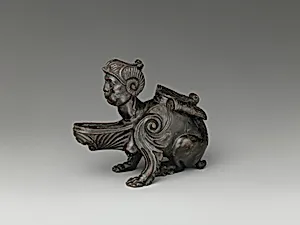
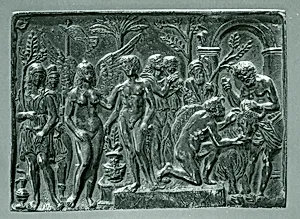
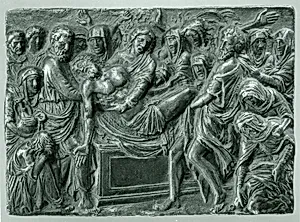
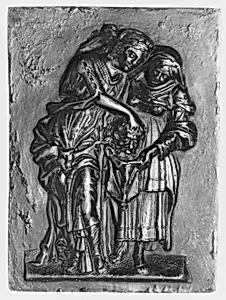
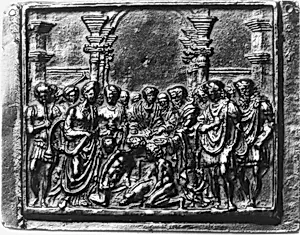
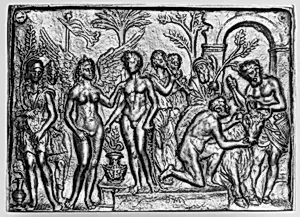
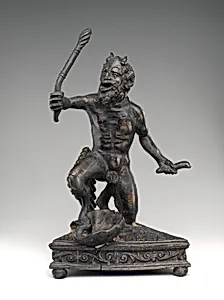
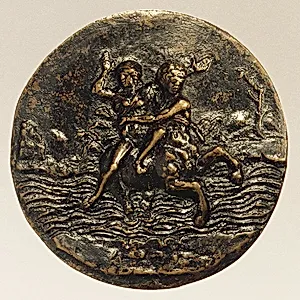
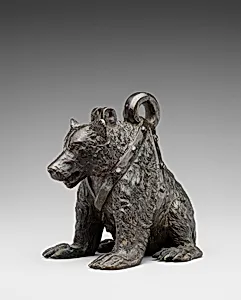
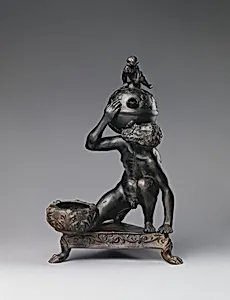
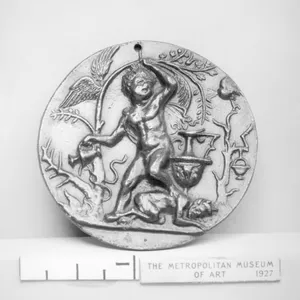
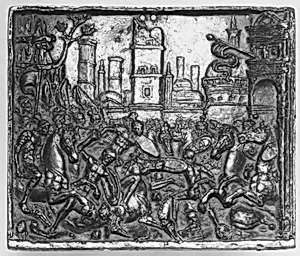
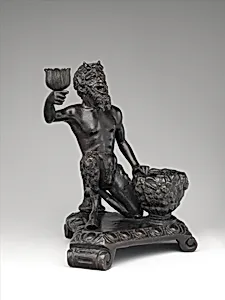
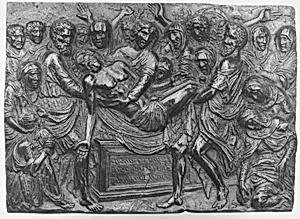
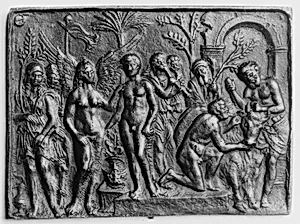
Riccio's career flourished in Padua, where he became the era's supreme bronze artist, producing both monumental commissions and intimate collector's pieces. His crowning achievement is the soaring Paschal candelabrum in the Basilica of Sant'Antonio (1505–1516), a virtuoso ensemble of spiraling bronze featuring lively reliefs of classically draped figures, playful satyrs, sphinxes, and fantastical creatures that evoke ancient grandeur. Among his other major works are two bronze reliefs—*David Dancing Before the Ark* and *Judith and Holofernes* (1507)—also in Sant'Antonio, and the tomb monument for physician Girolamo della Torre in Verona's San Fermo (1516–1521), whose narrative bronzes were later relocated to the Louvre. Renowned for small-scale marvels like the *Shouting Horseman*, *Boy Milking a Goat* (Bargello, Florence), *Striding Pan* (Metropolitan Museum), and the Rothschild Lamp (Metropolitan Museum), Riccio also ventured into architecture, designing the church of Santa Giustina.
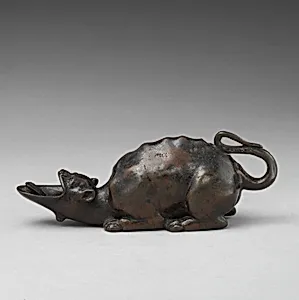
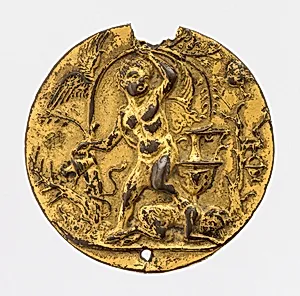
Rooted in the Paduan school, Riccio's style fused antique classicism with northern Italian humanism, infusing mythological and Christian subjects with expressive vitality, romantic individualism, and exquisite surface detail—hallmarks of his bronzes, from functional inkwells and fire-dogs to narrative reliefs. Celebrated in his time as a "sovereign over bronze," he enjoyed close ties with Padua's scholars and university elite, whose patronage fueled his output of over 70 documented works. Riccio's legacy endures in museums worldwide, where his lively statuettes continue to rival antiquity, inspiring generations of sculptors with their unmatched delicacy and invention.