Ctrl K
1877–1956
**Carl Buergerniss** (1877–1956) was an American artist born in Philadelphia, Pennsylvania, who later made his home in Island Heights, New Jersey. He studied at the Pennsylvania Academy of the Fine Arts, a leading institution that shaped many American artists of his era, and exhibited there regularly from 1901 to 1930. While specific teachers are not documented in available sources, his training at PAFA immersed him in a rigorous academic environment emphasizing draftsmanship and observation.
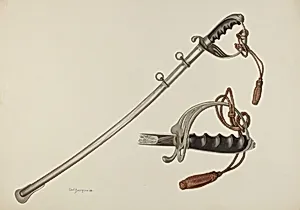
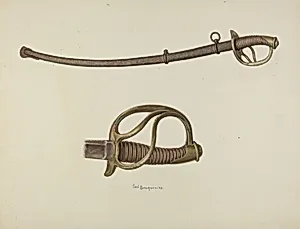
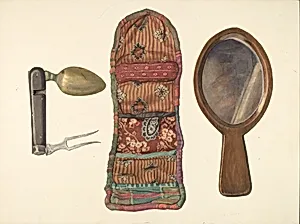
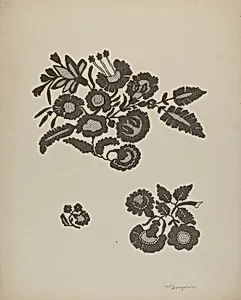
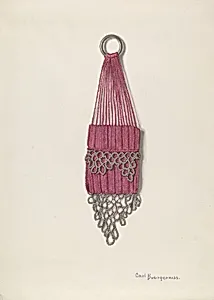
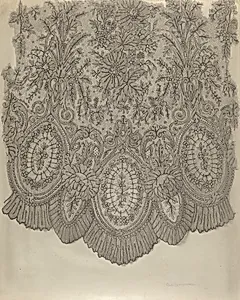
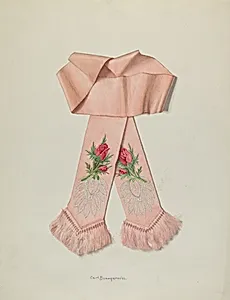
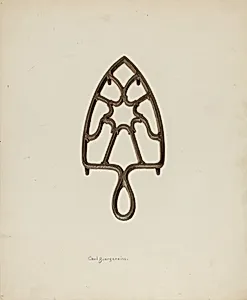
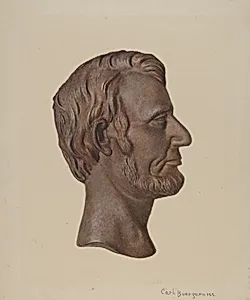
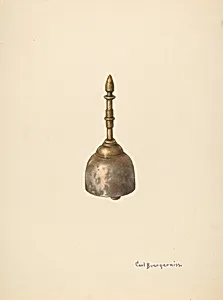
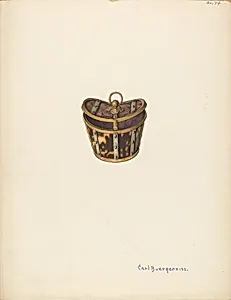
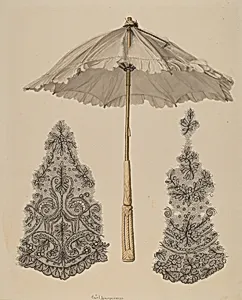
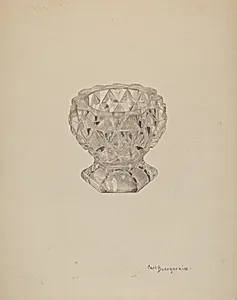
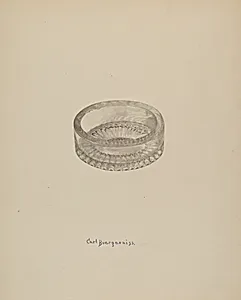
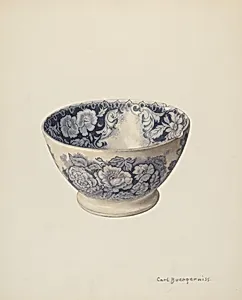
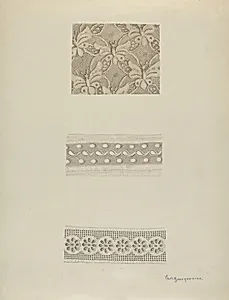
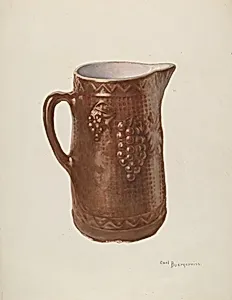
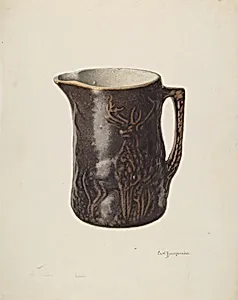
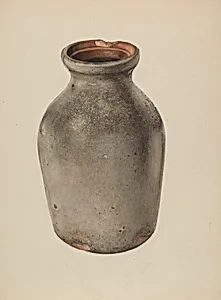
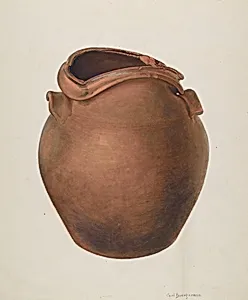
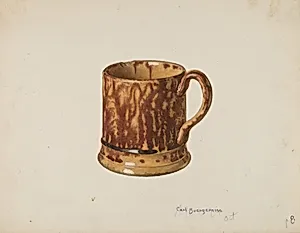
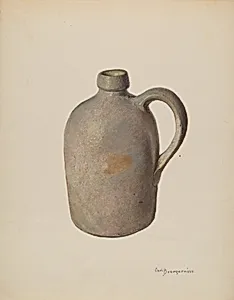
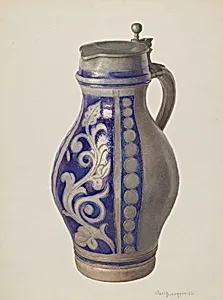
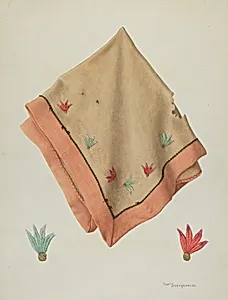
Buergerniss demonstrated versatility across genres, including landscapes, genre scenes, portraits, and murals, working in oils, watercolors, pen and ink, and pastels. His luminous oil seascapes, painted during summers in Island Heights, capture the play of light on Barnegat Bay with impressionistic flair, as seen in works like *At Play Barnegat Bay* (1912). In the late 1930s and early 1940s, he contributed extensively to the Index of American Design, a WPA-era project documenting American folk art and everyday objects. His precise watercolor and graphite renderings—such as *Foot Warmer* (1939), *Cherry Table* (c. 1936), *Mortar and Pestle* (c. 1939), *Coffee Mill* (c. 1940), *Police Rattle* (1940), and *Sabre* (1942)—reveal a shift toward meticulous realism, highlighting textures and historical details of household items, military artifacts, and antiques like stone jugs, pitchers, and lacework.
Buergerniss's legacy endures through his 78 works in the National Gallery of Art's collection, primarily from the Index of American Design, which preserve the aesthetic of American material culture during the Great Depression. His dual mastery of impressionistic landscapes and hyper-detailed still lifes bridges romantic coastal vistas with documentary precision, offering insight into early 20th-century American artistic responses to both nature and heritage. Auction records show steady interest in his output, affirming his place among regional talents who enriched public collections.