Ctrl K
1911–1989
Charlotte Angus (1911–1989) was an American artist renowned for her meticulous watercolors and graphite drawings that captured the essence of American folk art and historical artifacts. Born on February 2, 1911, in Kansas City, Missouri, she relocated to Philadelphia at a young age, where she immersed herself in the city's vibrant artistic community. Angus honed her skills at the University of the Arts in Philadelphia and the Graphic Sketch Club, laying the foundation for her precise draftsmanship and eye for detail.
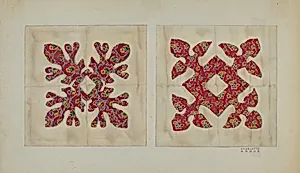
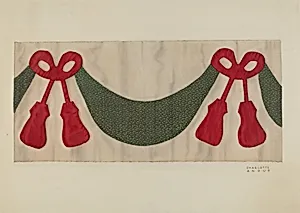
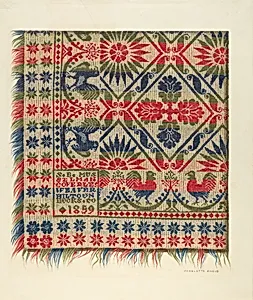
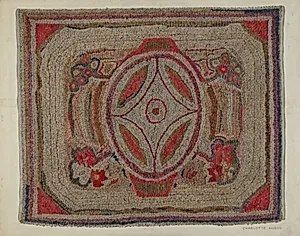
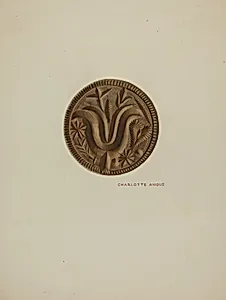
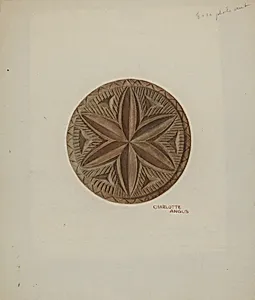
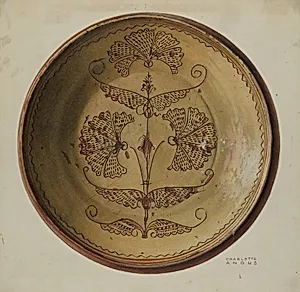
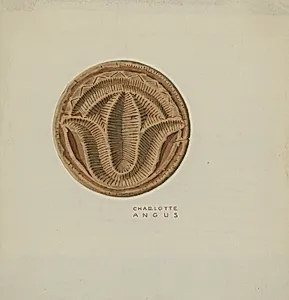
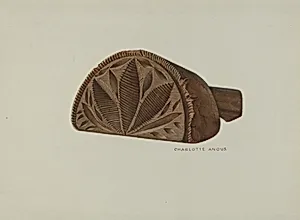
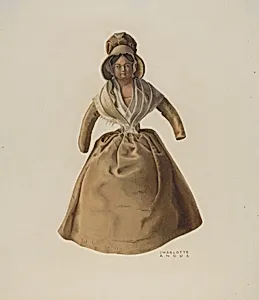
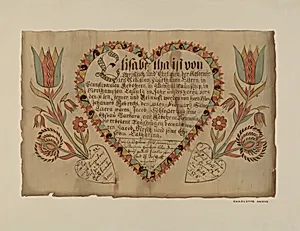
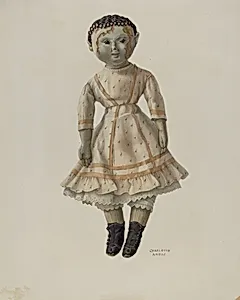
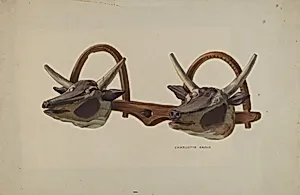
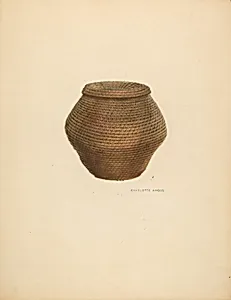
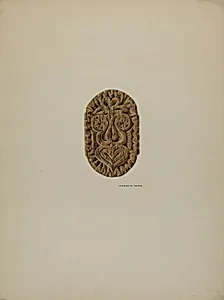
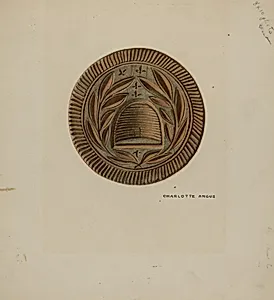
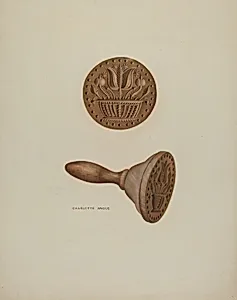
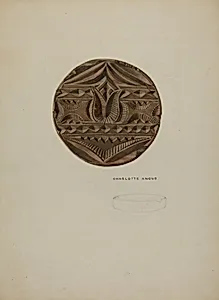
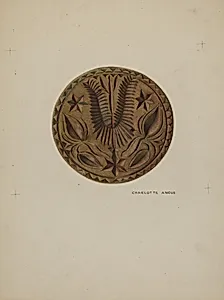
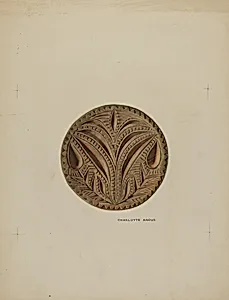
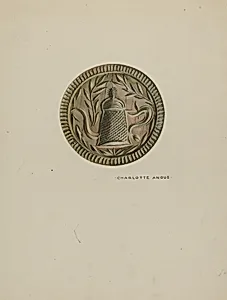
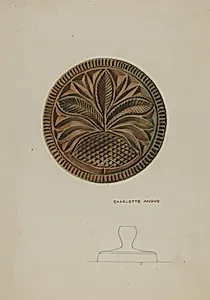
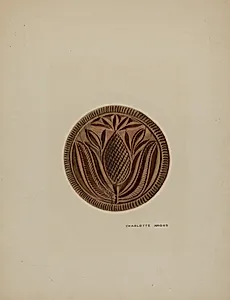
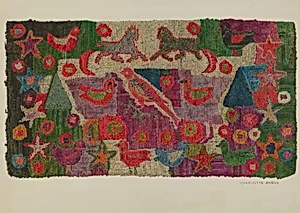
The Great Depression upended her early career at an advertising agency, prompting her 1936 entry into the Federal Art Project under the Works Progress Administration (WPA). There, she painted sets for the Federal Theatre Project and made enduring contributions to the Index of American Design, producing over 60 works—including *Log Cabin Quilt* (1935–1942), *Hooked Rug (Cotton)* (c. 1940), *Wool Comb* (c. 1937), *Jar with Cover* (1935–1942), and *Cast Iron Fence* (c. 1937)—that documented quilts, toys, ceramics, and Pennsylvania German folk objects with watercolor and graphite on paper. These pieces, now part of the National Gallery of Art's collection of 67 Angus works, exemplify her style: delicate, realistic renderings that preserved vanishing American crafts in the WPA tradition of public art and cultural documentation. She also created striking WPA posters like *Air Raid Precautions* (c. 1942) and *Don't Be a Drip!* (c. 1942), blending utility with artistic flair.
After the project's 1942 conclusion, Angus trained in drafting and served as a draftswoman at Philadelphia's Naval Air Medical Center. In 1947, she married John Stefanak and settled in southwestern Pennsylvania, continuing to exhibit her art, including the lithograph *Derelicts* (c. 1930s) at the Spencer Museum of Art. Her legacy endures through holdings at institutions like the National Gallery of Art, Philadelphia Museum of Art, Newark Museum of Art, and others, where her work celebrates everyday American heritage and WPA-era innovation, offering a vivid window into 20th-century folk traditions.