Ctrl K
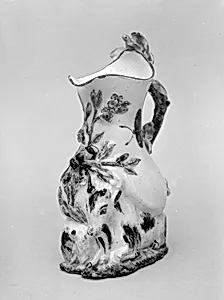
1742–1784
**Chelsea Porcelain Factory (c. 1743–1784)** was one of the pioneering porcelain manufactories in England, producing some of the most refined and ambitious soft-paste porcelain of the eighteenth century. Established in Chelsea, London, around 1743–1745 by Charles Gouyn and the Huguenot silversmith Nicholas Sprimont, the factory quickly became known for its technical innovation and artistic sophistication under Sprimont’s direction.
Sprimont, who had trained as a silversmith in Liège before settling in London, brought a silversmith’s eye for elegant form and detail to the medium. The factory operated through distinct periods marked by anchor symbols—triangle, raised anchor, red anchor, and gold anchor—each reflecting evolving styles and technical refinements. It drew heavily on Continental influences, particularly Meissen and Sèvres, while developing a distinctive Rococo idiom suited to British tastes. Principal modeller Joseph Willems contributed expressive figure groups, and the factory excelled at botanical subjects, including the celebrated “Hans Sloane” plates inspired by the physician’s collection.
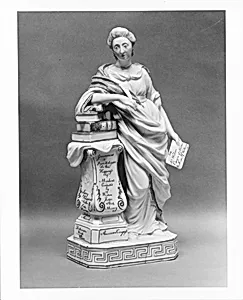
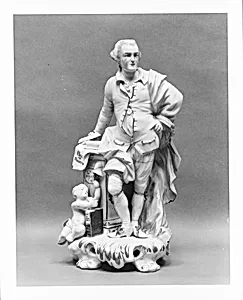
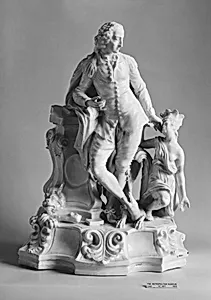
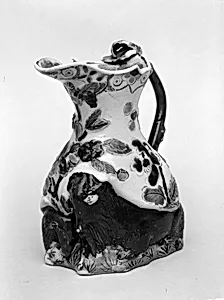
Among its notable productions were ambitious sculptural groups such as *The Music Lesson*, elaborate dinner services, vases, and ornamental figures that captured the playful spirit of the Rococo. The factory supplied an elite clientele and helped establish porcelain as a luxury art form in England rather than merely a substitute for imported Chinese wares.
After Sprimont’s retirement, the works were sold in 1770 to William Duesbury of Derby; production continued under new ownership until the factory closed in 1784. Its legacy endures in museum collections worldwide, where Chelsea porcelain is prized for its inventive modelling, vibrant enamels, and role in laying the foundations of the British ceramics industry. The five works in this collection exemplify the factory’s range and enduring appeal.