Ctrl K
The Chimú, a preeminent pre-Columbian culture of Peru's northern coast, flourished from approximately 900 to 1470 CE as the Kingdom of Chimor, emerging in the wake of the Moche civilization's decline and incorporating influences from the Sican, Wari, and Cajamarca cultures. Centered in the vast adobe metropolis of Chan Chan—the largest city in the Americas before the Inca, housing up to 60,000 people—their society was rigidly hierarchical, with elite rulers and specialized artisan guilds organized in walled ciudadelas. These workshops fostered a collaborative tradition where craftspeople, divided by profession and often working in family units, produced goods under state control, honing techniques passed through generations without named individual mentors.
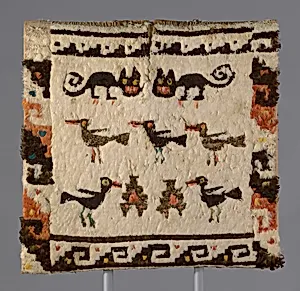
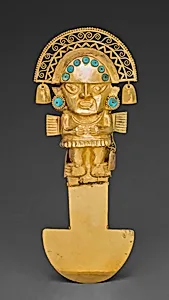
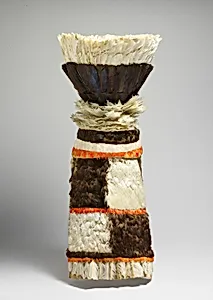
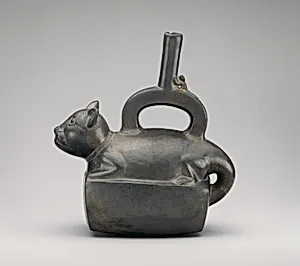
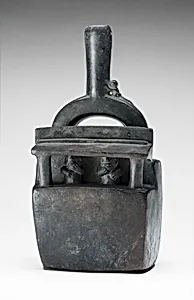
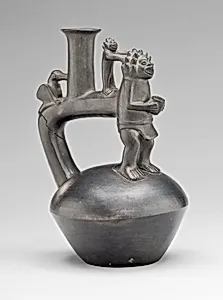
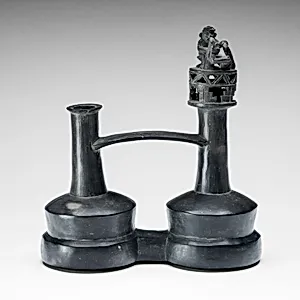
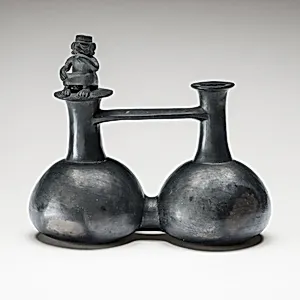
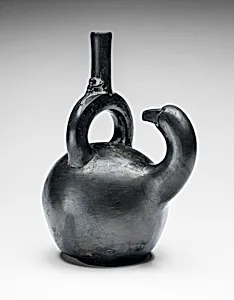
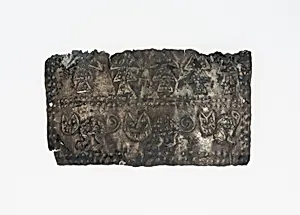
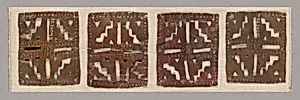
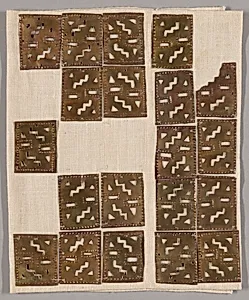
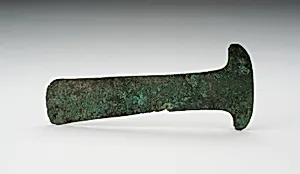
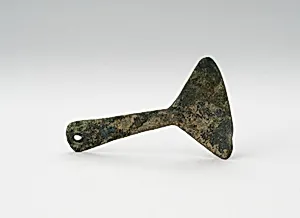
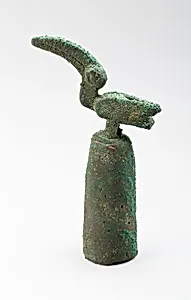
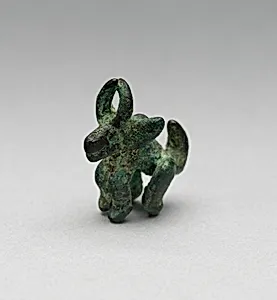
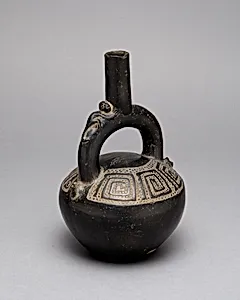
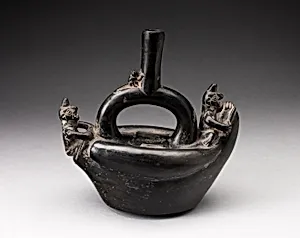
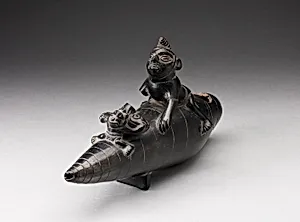
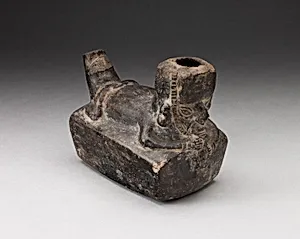
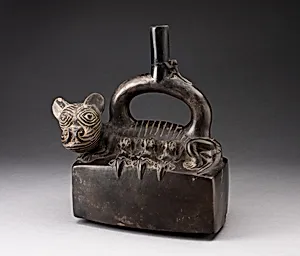
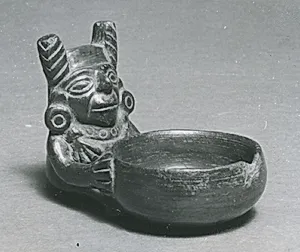
Chimú art epitomized the culture's mastery of form and material, defined by a distinctive monochromatic blackware pottery achieved through oxygen-reduced high-temperature firing, yielding lustrous, mold-made vessels often modeled as creatures, humans, or everyday scenes like fishermen in reed boats (ca. 1100–1400 CE, Museum of the Americas, Madrid) or vases with chili peppers (Musée des Amériques). Metalworkers excelled in tumbaga (gold-copper alloy), employing lost-wax casting, hammering, and depletion gilding for ornate earspools depicting shell divers, hammered silver beakers with faces (ca. 1100–1536 CE, Yale University Art Gallery), and ritual regalia. Textiles featured intricate tapestry weaves and featherwork in camelid fibers and cotton, while spondylus shell collars—crafted from Ecuadorian "thorny oysters" symbolizing fertility and the sea—adorned elites, as seen in a 12th–14th century example at the Metropolitan Museum of Art. Architectural reliefs at Chan Chan, such as the "Los Buceadores" (divers harvesting shells), captured marine motifs in high-relief adobe.
The Chimú legacy endures in museum collections worldwide, with over 100 artifacts at institutions like the Art Institute of Chicago showcasing their technical innovation and iconography tied to moon worship, ocean deities, and El Niño cycles. Conquered by Inca forces under Topa Inca Yupanqui around 1470 CE, their artisans were absorbed, disseminating Chimú styles across the Andes and influencing later Andean art through superior metallurgy and symbolic shellwork that evoked power, sacrifice, and cosmic harmony.