Ctrl K
1558–1614
Christoph Murer was born in Zurich in 1558 into a dynasty of Swiss artists, the son of the glass painter Josias Murer and grandson of the celebrated painter and dramatist Jos Murer. Growing up surrounded by the craft of stained glass and the broader artistic culture of late Reformation Switzerland, he received thorough training in both glass painting and drawing, eventually becoming one of the most accomplished designers of his generation. His early formation in Zurich placed him within a tradition that prized technical precision and narrative clarity.
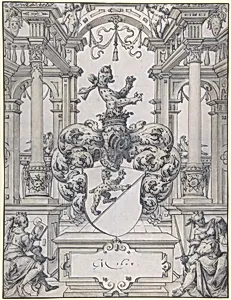
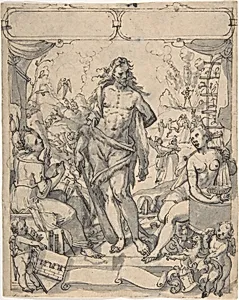
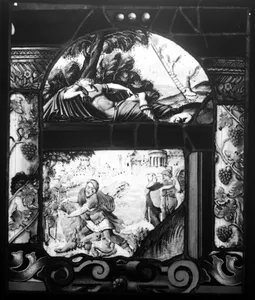
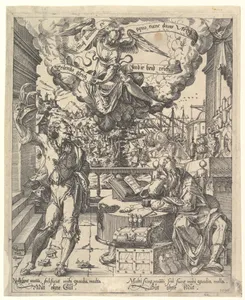
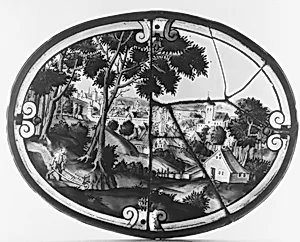
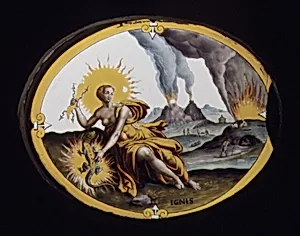
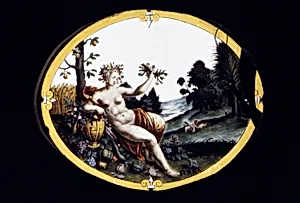
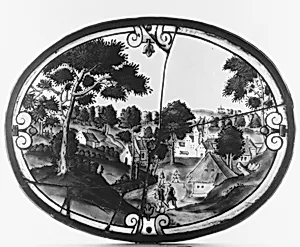
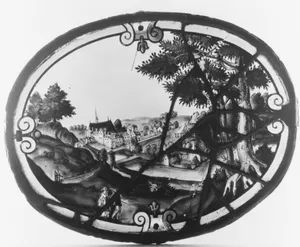
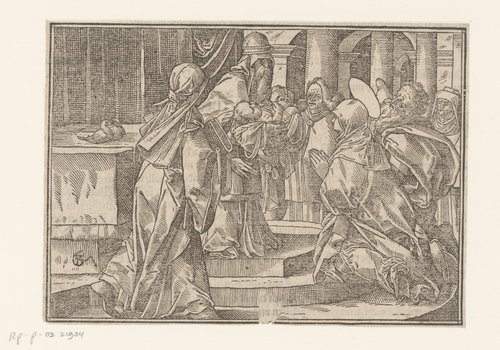
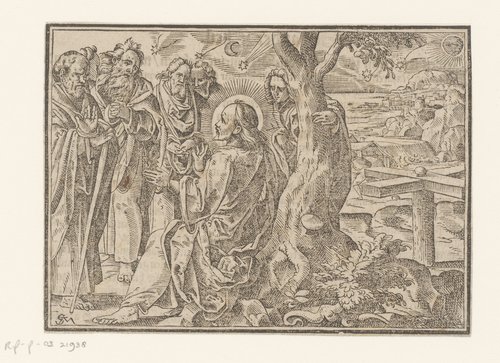
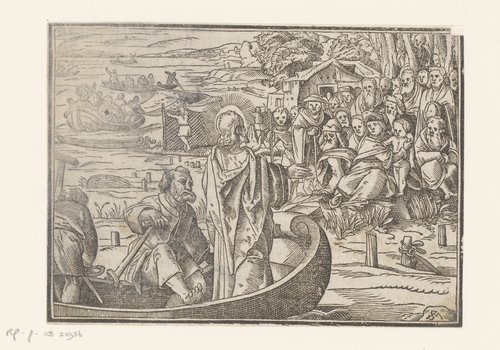
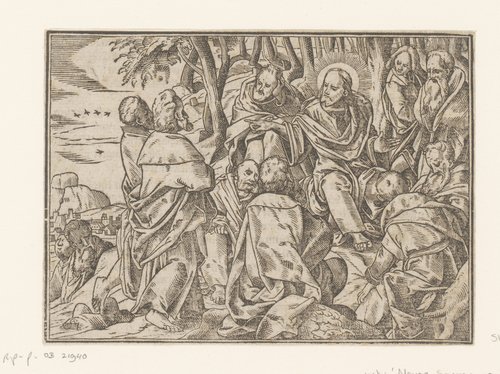
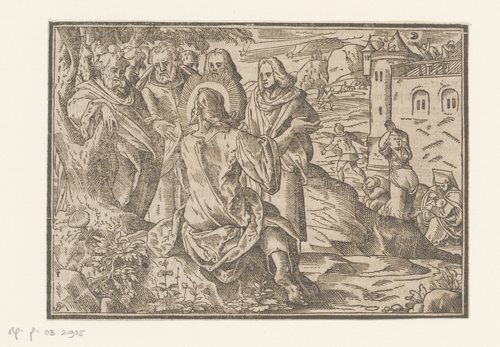
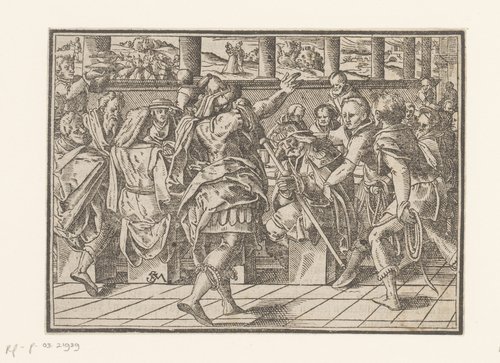
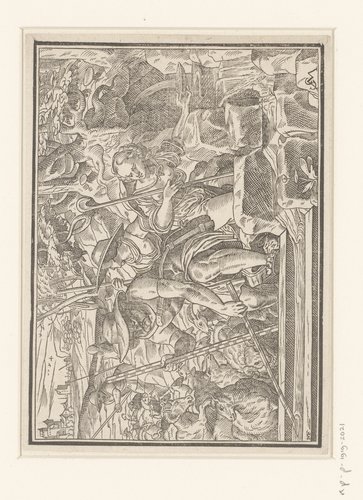
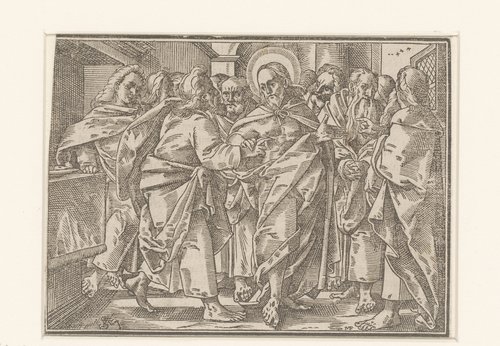
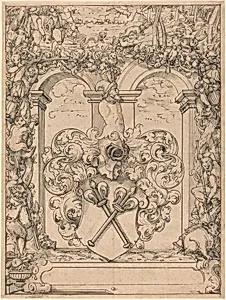
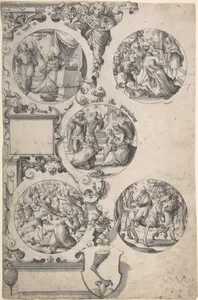
Murer is best known for his mastery of glass painting and his prolific output as a draughtsman, particularly his designs for small-format roundels — circular glass panels intended for private patrons and guild halls. These works demonstrate a confident command of figural composition and an ability to compress elaborate biblical, mythological, and allegorical scenes into compact decorative formats. His graphic work also extended to prints, and his designs were widely disseminated through engraving, amplifying his influence well beyond the Swiss Confederation.
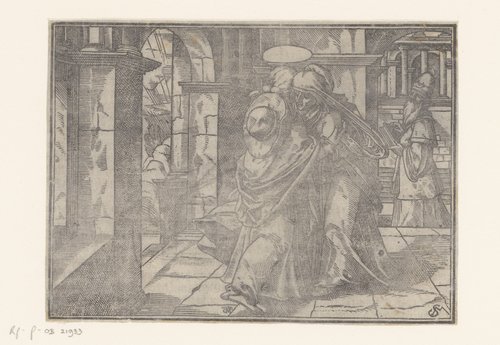
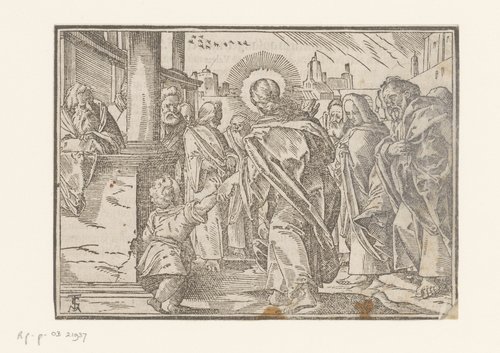
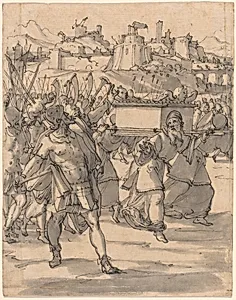
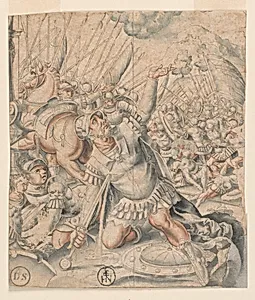
Among his major contributions is his extensive series of drawings illustrating the Psalms, a project that showcased his facility with narrative invention and his fluency in the late Mannerist idiom that had filtered into Swiss artistic practice from Italy and the German lands. His figures are energetic and expressive, and his compositions reveal an artist comfortable with complex multi-figure arrangements. He worked for civic and ecclesiastical patrons alike, and his designs were prized for their inventiveness as much as their technical refinement.
Murer died in Winterthur in 1614, leaving behind a substantial body of work that documents the vitality of Swiss applied arts at the turn of the seventeenth century. His career bridged the worlds of fine drawing, printmaking, and the decorative arts, and his designs for glass painting remained influential well into the following generation. He stands as a key figure in the continuity of Swiss craft traditions during a period of profound religious and cultural transformation.