Ctrl K
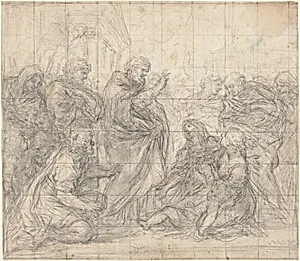
1634–1689
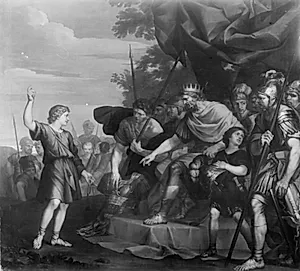
Ciro Ferri (1634–1689) was an Italian Baroque painter and engraver who served as the principal artistic heir and studio assistant of Pietro da Cortona, the dominant decorative painter of seventeenth-century Rome. Born in Rome, Ferri entered Cortona's workshop as a young man and proved so skilled that he became the master's most trusted collaborator, eventually taking over the completion of major commissions left unfinished at Cortona's death in 1669.
Ferri's own style was shaped entirely by immersion in Cortona's exuberant High Baroque manner: sweeping compositions, grand illusionistic ceiling decorations, dramatically foreshortened figures, and a rich, warm palette suited to the glorification of religious and mythological subjects. He worked extensively in Florence for the Medici court, completing the frescoes of the Palazzo Pitti's Planetary Rooms — a monumental decorative cycle begun by Cortona — and producing altarpieces and devotional works for Florentine churches.
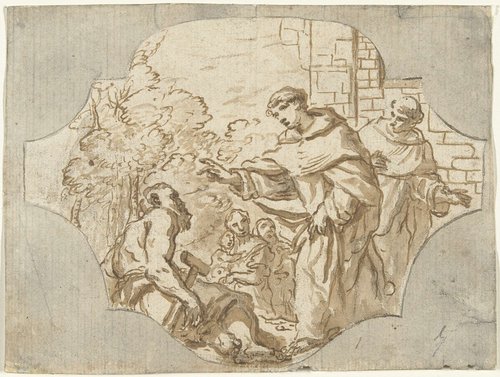
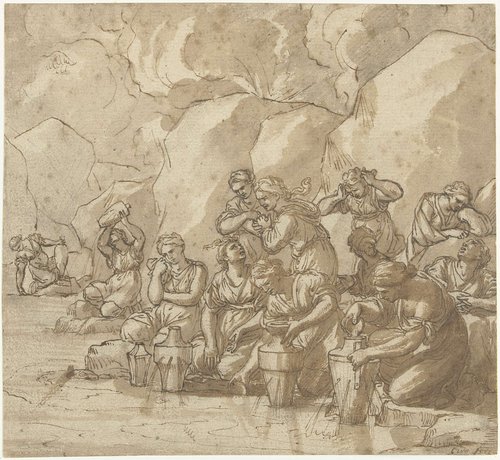
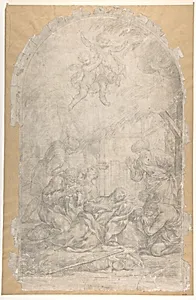
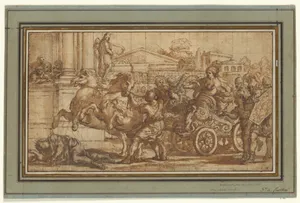
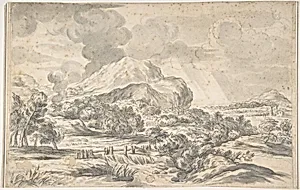
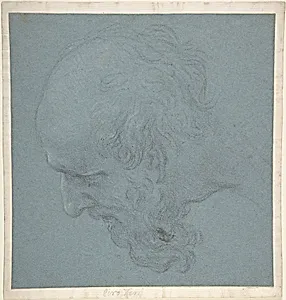
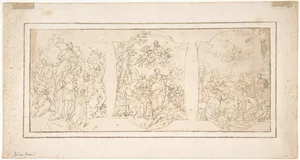
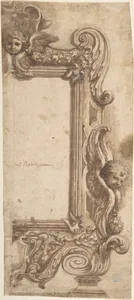
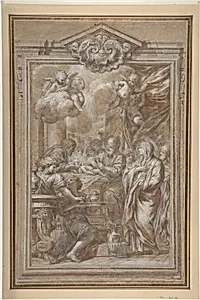
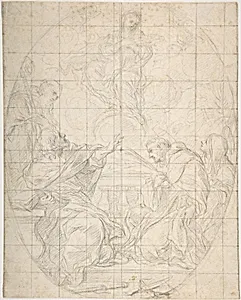
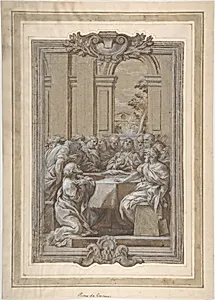
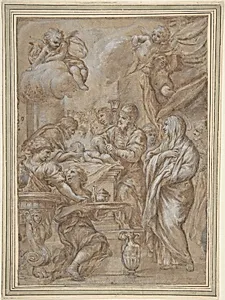
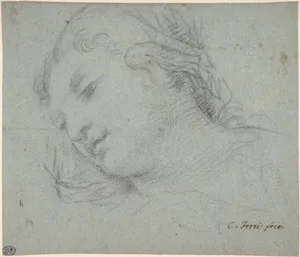
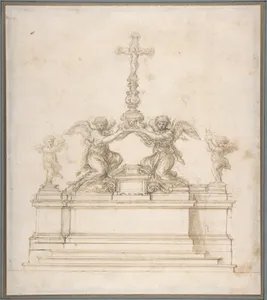
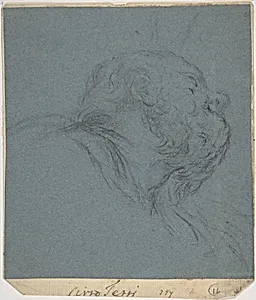
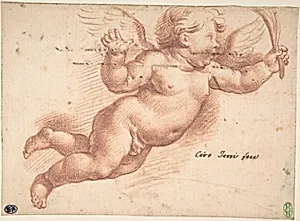
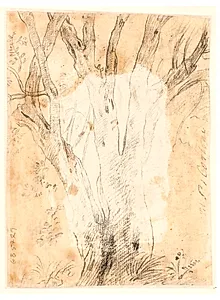
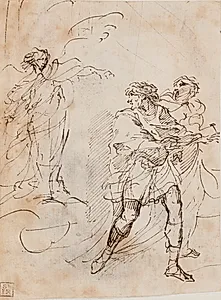
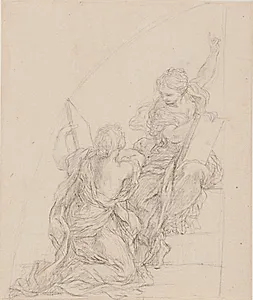
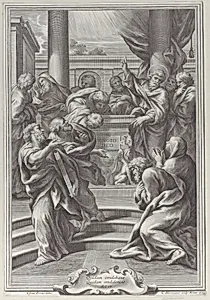
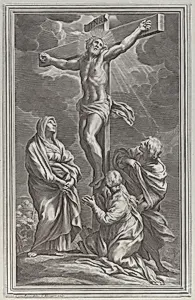
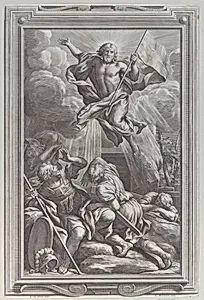
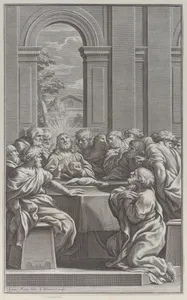
Beyond his painting, Ferri was a talented draftsman and contributed designs for sculptures, tapestries, and architectural ornaments, reflecting the wide-ranging demands placed on leading artists within the court and church patronage systems of his day. He also worked as a printmaker, and his engravings helped disseminate the visual vocabulary of the Roman Baroque to a wider European audience.
While Ferri has historically been overshadowed by his great teacher, recent scholarship has increasingly recognized the extent of his independent contribution and the quality of his own inventions. His career illustrates the collaborative nature of large-scale Baroque decorative projects and the way in which the most successful workshops transmitted their visual language across generations and across the Italian peninsula.