Ctrl K
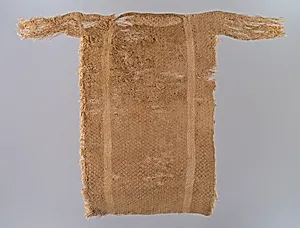
Coptic, the collective attribution for anonymous masters of early Christian Egypt, embodies the vibrant fusion of pharaonic, Hellenistic, and Greco-Roman traditions that defined art from the 4th century onward. Emerging in the context of Coptic Christianity's rise after the 1st century AD, these artists operated amid economic constraints that favored functional craftsmanship over elite patronage, resulting in a popular style unburdened by extensive formal training. Their work reflects influences from Fayum mummy portraits of the 2nd century AD, blending Egyptian symbolism with Byzantine frontality, as seen in the Greco-Roman roots of Coptic icons.
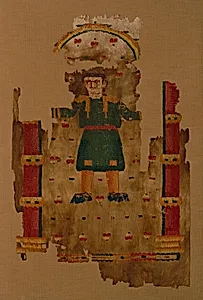
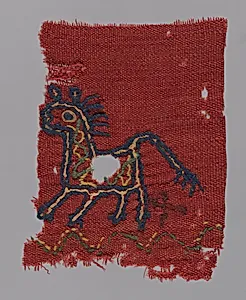
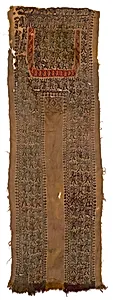
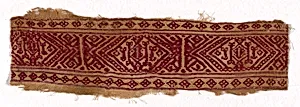
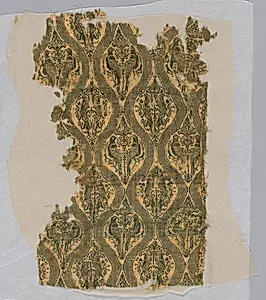
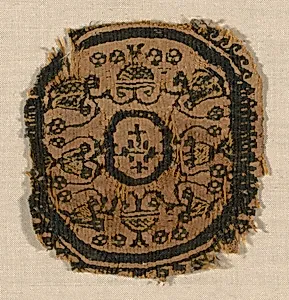
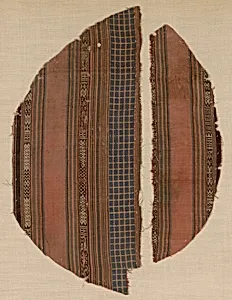
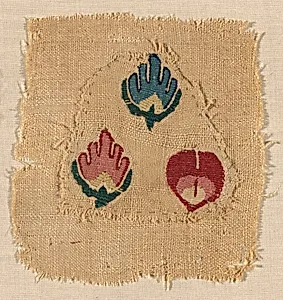
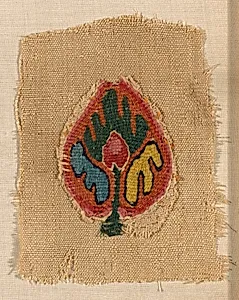
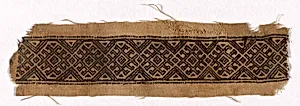
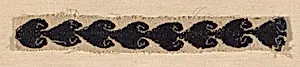
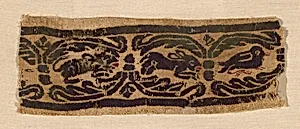
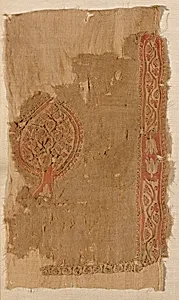
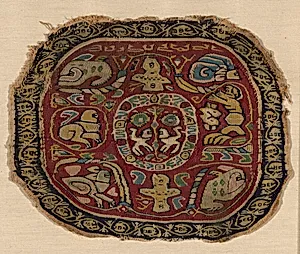
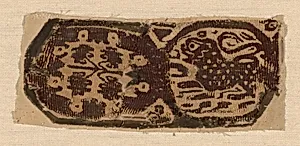
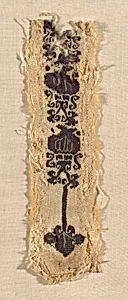
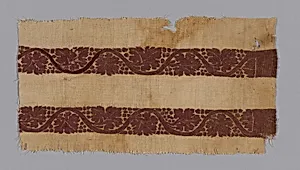
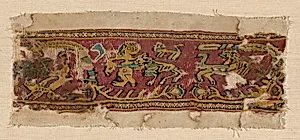
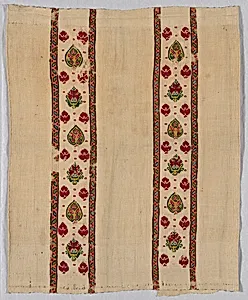
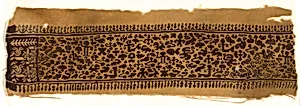
Working in the Coptic school tradition, these creators excelled in wall-paintings, textiles, illuminated manuscripts, and metalwork, prioritizing spiritual symbolism over realism. Figures feature enlarged heads, eyes, and ears to signify divine communion, with frontal gazes engaging the viewer directly; textiles employed tapestry weaves in vivid hues from madder, indigo, and kermes on linen tunics adorned with Roman clavi. Major works include the 6th-century encaustic icon *Christ and Saint Menas* in the Louvre, depicting the saint between two camels; terracotta Menas flasks from Abu Mina (6th–7th century); the late 6th-century wall painting of a crux gemmata from Kellia; and the 5th-century wood relief of the Annunciation, also in the Louvre. Later examples, like the 7th-century north apse paintings at the Red Monastery, showcase equestrian martyrs and enthroned Christ.
The legacy of Coptic art endures through its profound impact on Islamic architecture from the 7th century—evident in Egyptian mosques—and its spread to Ethiopia and Sudan via the Church of Alexandria, where Coptic crosses became Ethiopian icons. Menas flasks influenced Western medieval iconography, while fragments populate global museums, including Cairo's Coptic Museum. Revivals, such as the 18th-century workshops of Yuhanna al-Armani and the modern Neo-Coptic school founded by Isaac Fanous, affirm its timeless role in expressing faith through accessible beauty.