Ctrl K
1510–1556
Cornelis Bos (c. 1506/10–before 1555), a Netherlandish engraver, printseller, and publisher born in 's-Hertogenbosch, emerged as a pivotal figure in the Antwerp print trade during the mid-16th century. His early life remains sparsely documented, with no records of formal training or mentors, though he was active in Antwerp by 1537, producing his earliest known engraving, *Prudence and Justice*, after Maarten van Heemskerck. Granted citizenship and admitted to the Guild of St. Luke in 1540 or 1541, Bos quickly established himself as a master engraver, collaborating with publishers like Pieter Coecke van Aelst on illustrations for architectural treatises summarizing Vitruvius and Sebastiano Serlio's *Book IV* (before 1544), as well as Antoine de Goys's anatomy text (1542).
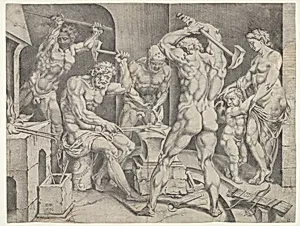
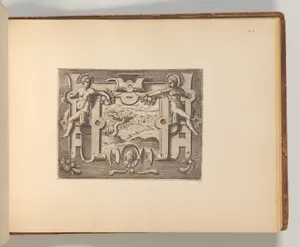
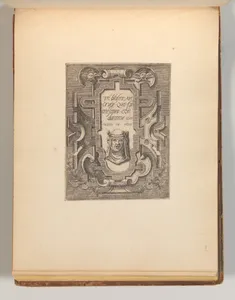
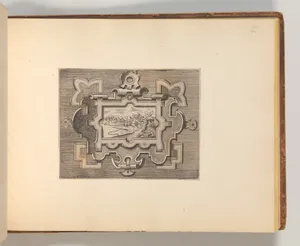
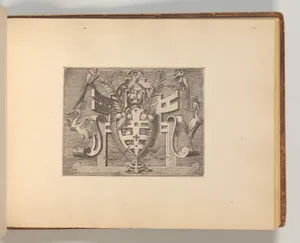
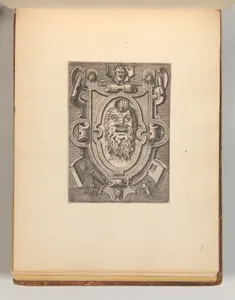
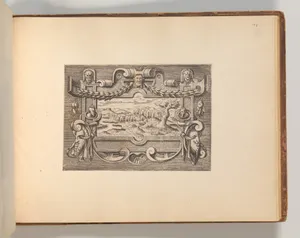
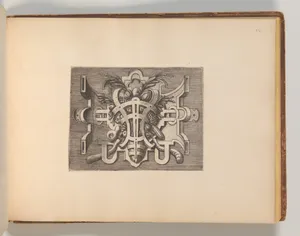
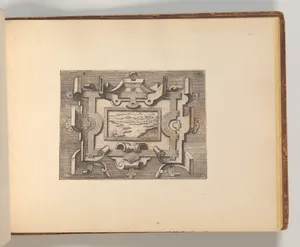
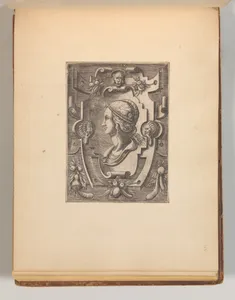
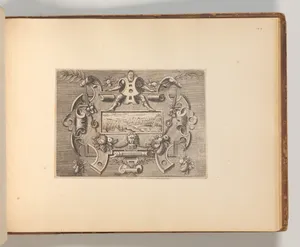
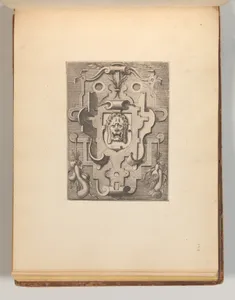
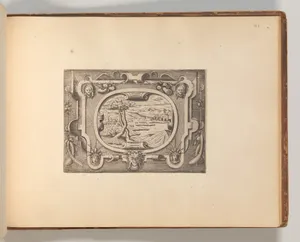
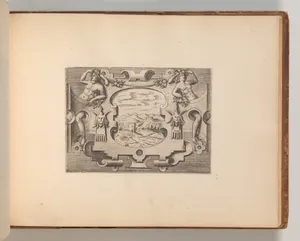
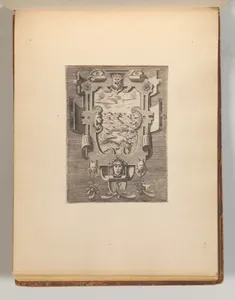
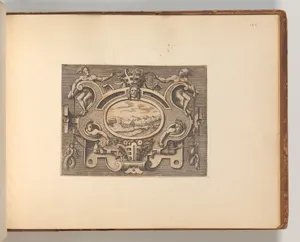
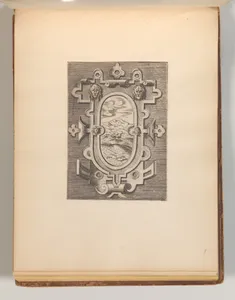
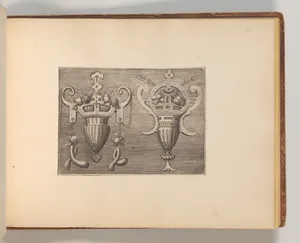
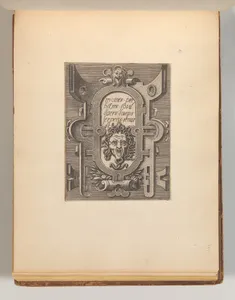
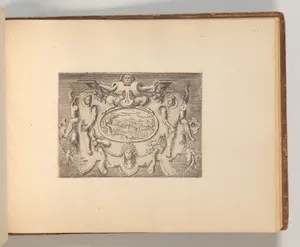
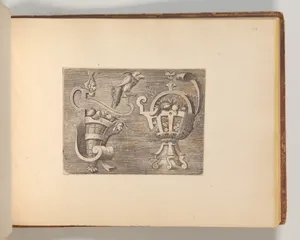
Bos's style blended precise reproductions of Italian Renaissance models—such as works by Marcantonio Raimondi, Agostino Veneziano, and even a lost Michelangelo *Leda and the Swan*—with innovative ornamental designs featuring strapwork, grotesques, and cartouches inspired by the Vatican Loggie. Regarded as a leading master of the Floris style in the 1540s, he produced over 100 engravings of such motifs between 1546 and 1548, including vertical grotesque panels (1548), *The Forge of Vulcan* (1546), and the influential pattern book *Livre de moresques* (1546), which popularized mannerist scrollwork or *bandelwerk* across Northern Europe. Religious and allegorical subjects, like *The Holy Trinity* after Frans Floris, *Laocoön and His Sons* (1548), and scenes from the *Acts of St. Paul* (1546–1547), further showcased his versatility, with Hollstein cataloguing some 147 prints.
His peripatetic career reflected religious turmoil: expelled from Antwerp in 1544 for affiliation with an antisacerdotalist sect, with his workshop inventory auctioned, Bos worked in Nuremberg (1546–1548) before settling in Groningen around 1550, where he gained citizenship and continued until his death. Bos's legacy endures in the evolution of grotesque ornamentation, providing essential models for Dutch and Flemish craftsmen and introducing Heemskerck's designs to a wider audience through engravings. His technical precision and adaptability bridged Italian mannerism with Northern innovation, influencing generations in printmaking and decorative arts.