Ctrl K
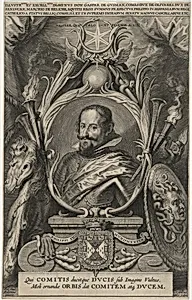
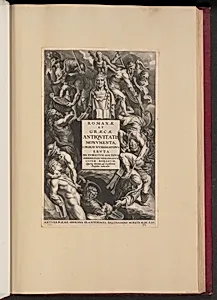
Cornelis Galle I, born in 1576 in Antwerp as the younger son of the renowned engraver and publisher Philip Galle, received his foundational training under his father, mastering the meticulous techniques of line engraving in the family workshop. Following this apprenticeship, Galle journeyed to Italy around 1597, residing in Siena, Rome, and Genoa until approximately 1603. There, he studied works by masters like Raphael, Titian, Annibale Carracci, and Jacopo Bassano, sketching copies that informed his later reproductive prints and refined his initially stiff, dry style into one of greater freedom and design accuracy.
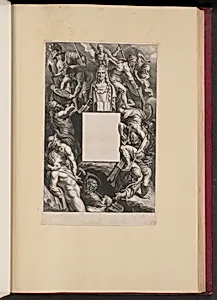
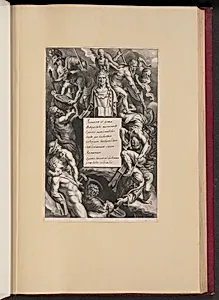
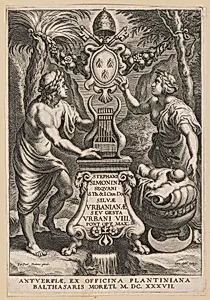
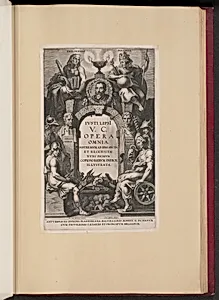
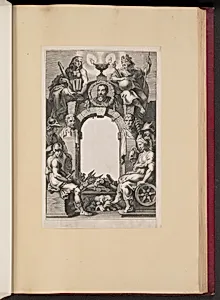
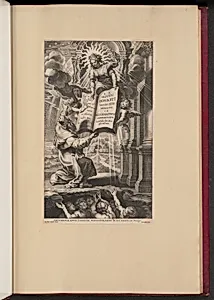
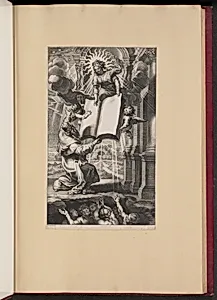
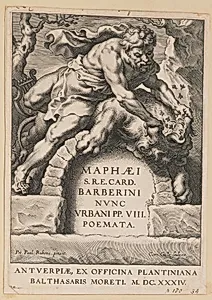
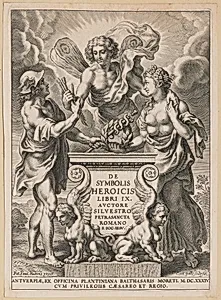
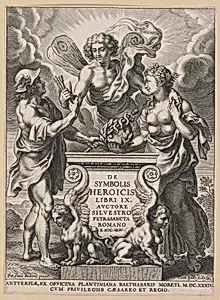
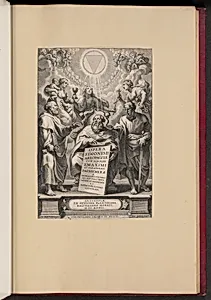
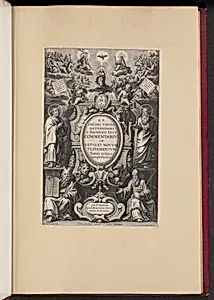
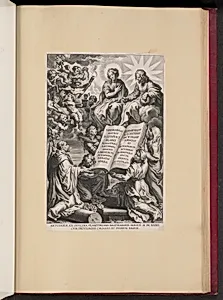
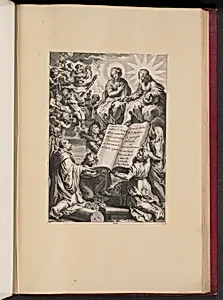
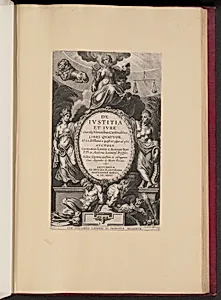
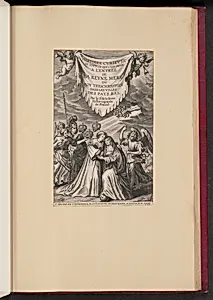
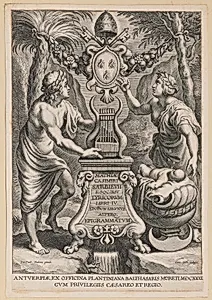
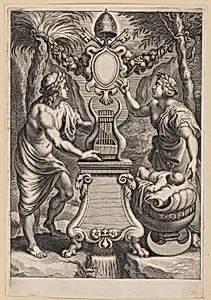
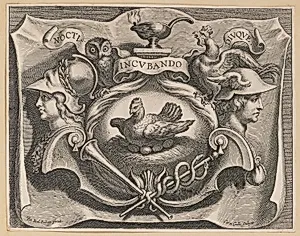
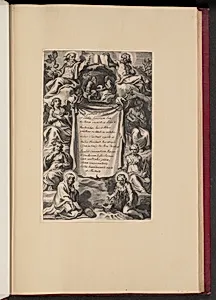
Upon returning to Antwerp, Galle became a master in the Guild of St. Luke in 1610 and established himself as a prolific printseller and engraver, closely collaborating with the Plantin Press and, crucially, Sir Peter Paul Rubens. As Rubens' principal engraver in his early years, Galle translated the Baroque master's dynamic compositions into prints, though Rubens later favored Haarlem engravers for large-scale painting reproductions, retaining Galle for title pages and book illustrations. Galle's work embodied the Flemish reproductive engraving tradition, prioritizing fidelity to originals while infusing Italianate elegance, and he founded an engraving school that trained subsequent generations.
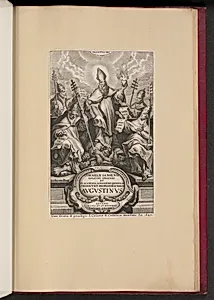
Among his major works are iconic engravings after Rubens, including *Judith Beheading Holofernes* (ca. 1610, known as the "Great Judith"), *The Virgin Mary under an Arch Ornamented with Flowers by Angels*, *The Four Fathers of the Church*, *Seneca in the Bath*, and landscapes like *Autumn* and *Winter*, as well as series for *The Raising of the Cross*, *The Passion*, and *Vita Beati P. Ignatii Loyolae*. He also produced portraits such as *Philip Rubens* (Peter Paul Rubens' brother) and *St. Charles Borromeo*, alongside reproductive prints after Marten de Vos (*Life of Christ*), Stradanus (*Life of the Virgin Mary*), Anthony van Dyck, and Italian artists like Agostino Carracci.
Galle's legacy endures through his role in disseminating Rubens' oeuvre across Europe via affordable prints, bridging painting and printmaking in the Flemish Baroque. Father to Cornelis Galle the Younger and part of a dynasty of engravers, he died in Antwerp on March 29, 1650, leaving a vast corpus that underscores the Galle workshop's dominance in 17th-century Antwerp art production.