Ctrl K

1846–1912
Daniel Hudson Burnham (1846–1912) was one of the most influential American architects and urban planners of the Gilded Age and Progressive Era. Born in Henderson, New York, he twice failed the entrance examinations for Harvard and Yale, eventually finding his calling through an apprenticeship in architecture. His transformative partnership with John Wellborn Root, formed in Chicago in 1873, established the firm that would reshape the skylines of America's rapidly growing cities. Together they pioneered the commercial high-rise, developing structural systems and aesthetic approaches that defined what would become the Chicago School of architecture.
Burnham's stylistic range was remarkable. In collaboration with Root, he embraced the bold, load-bearing masonry of the Romanesque Revival, most memorably in the Monadnock Building (1891) in Chicago — at the time the world's tallest office building. After Root's untimely death in 1891, Burnham turned toward the classical Beaux-Arts grandeur that would characterize much of his later career. His firm, reorganized as D.H. Burnham & Company, produced landmark buildings including the Flatiron Building (1902) in New York City and Union Station (1907) in Washington, D.C., both celebrated for their commanding presence and meticulous detailing.
Burnham's greatest achievement may have been his role as Director of Works for the 1893 World's Columbian Exposition in Chicago, which he organized with extraordinary logistical mastery. The so-called "White City" — a vast ensemble of gleaming neoclassical pavilions arranged around lagoons — introduced millions of Americans to principles of civic beauty, grandeur, and coordinated urban design. Its influence on American public architecture and city planning was immense and lasting.
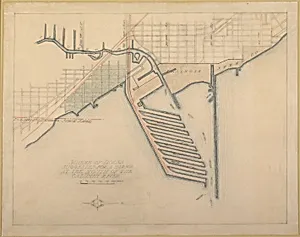
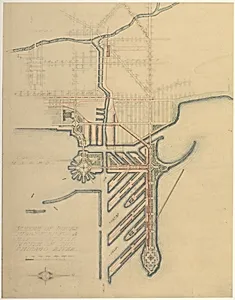
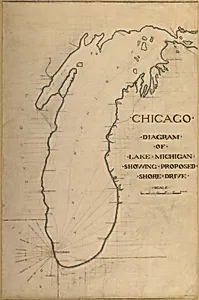
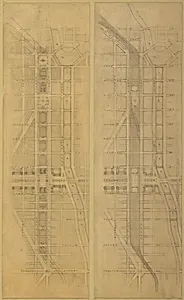
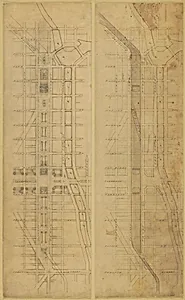
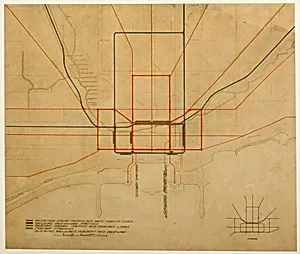
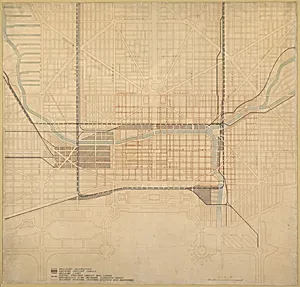
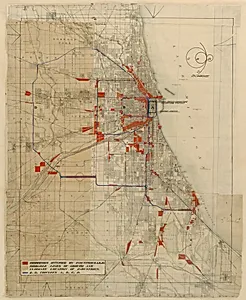
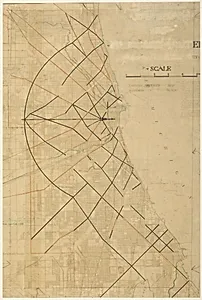
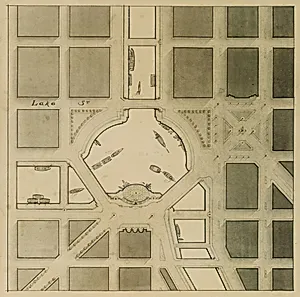
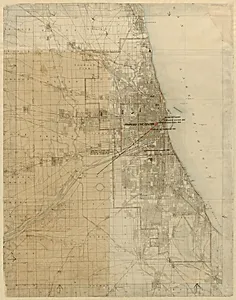
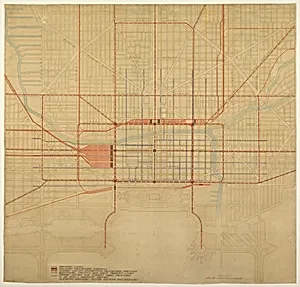
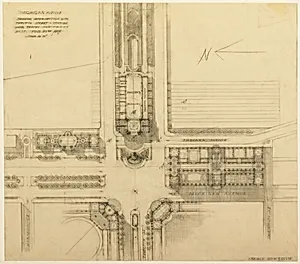
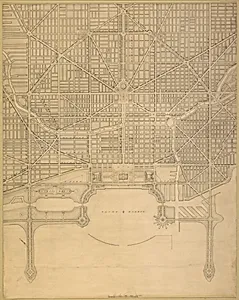
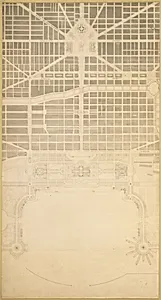
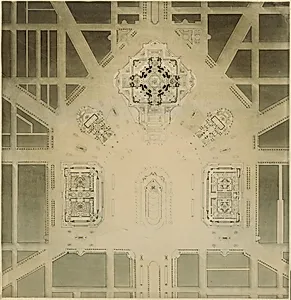
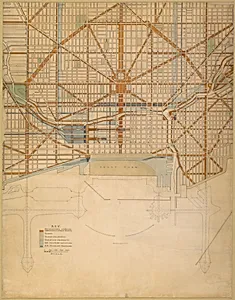
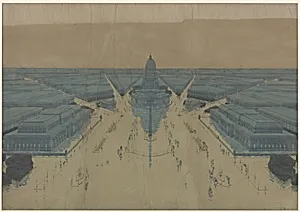
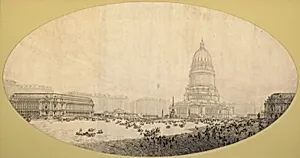
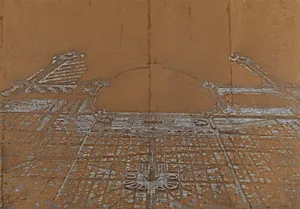
In his final years, Burnham channeled his energies into visionary city planning, producing celebrated plans for Chicago (1909), San Francisco, and Manila. His famous exhortation — often paraphrased as "make no little plans" — captured his belief that architecture and urban design could elevate the human spirit. Though later critics questioned the autocratic sweep of his classical vision, Burnham's legacy endures in the civic institutions, parks, and lakefront he helped shape for generations of Chicagoans.