Ctrl K
1500–1564
Domenico Campagnola (c. 1500–1564), a Venetian Renaissance painter, engraver, and pioneering draftsman, was born around 1500, likely in Venice to German parents, and became a child prodigy under the tutelage of his adoptive father, Giulio Campagnola. Apprenticed to Giulio around 1507 in Venice, he mastered painting, drawing, engraving, and woodcutting from the esteemed Paduan engraver, whose stippled technique he adapted into a looser, more picturesque style influenced early on by Albrecht Dürer. He was also closely associated with Titian's workshop, assisting on frescoes in Padua and absorbing the master's dynamic compositions and vibrant color, though their relationship soured amid attribution disputes.
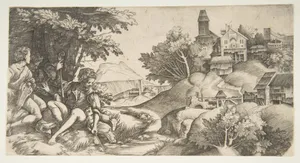
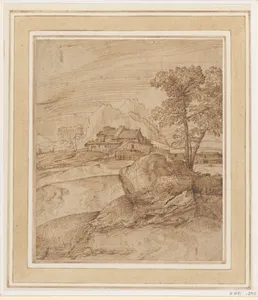
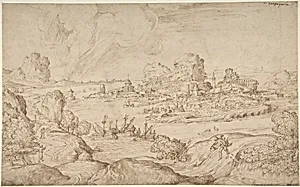
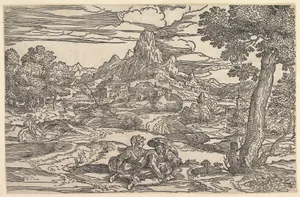
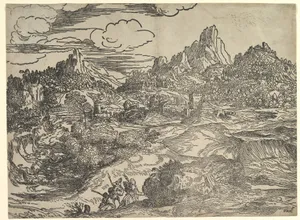
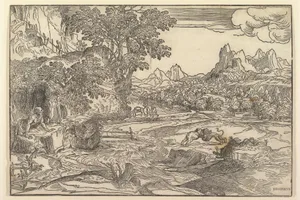
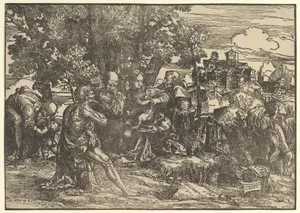
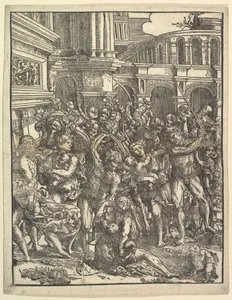
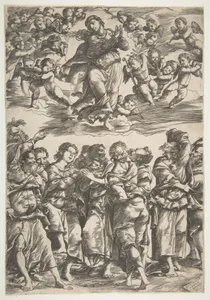
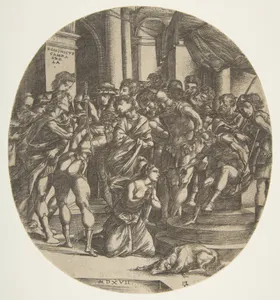
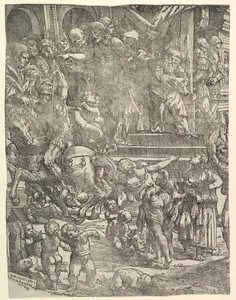
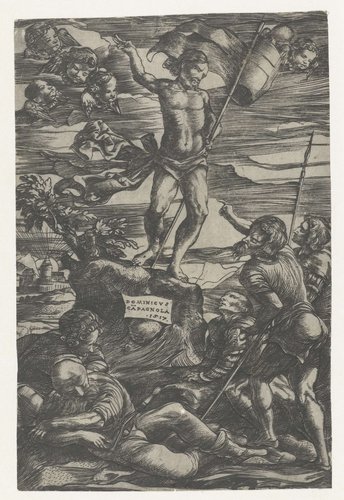
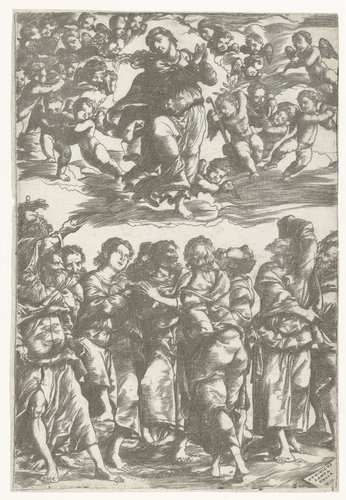
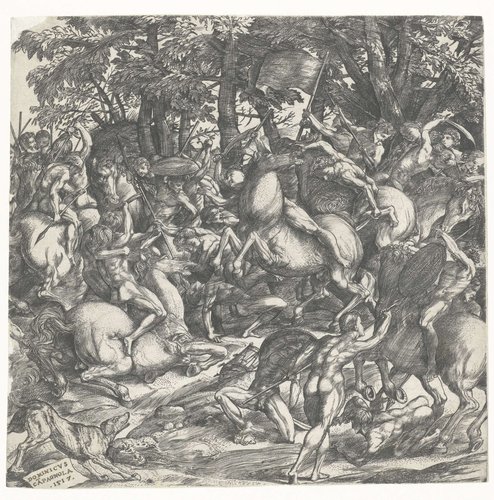
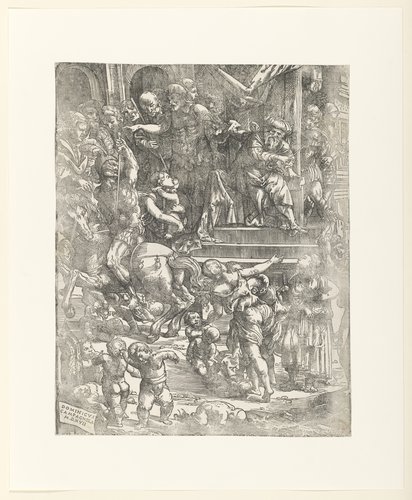
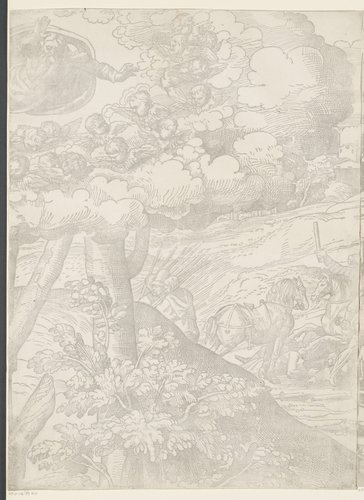
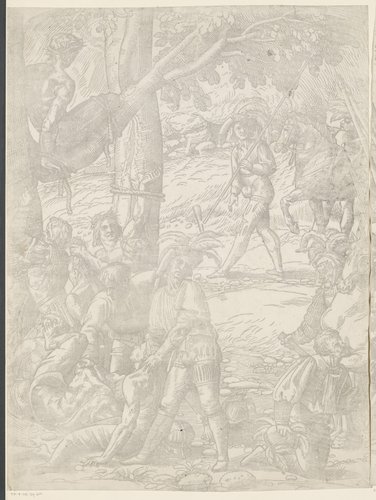
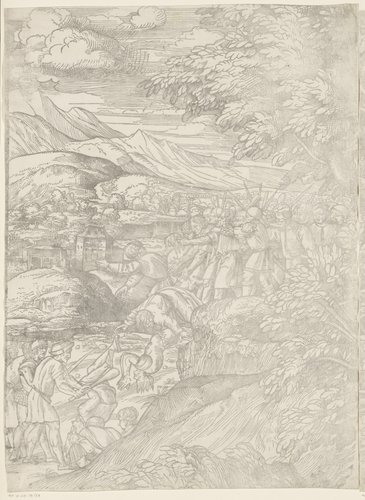
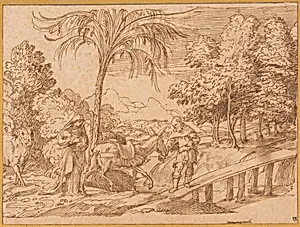
By 1517–18, following Giulio's death, the teenage Domenico launched an independent career with fourteen innovative engravings, including *The Assumption of the Virgin* (1517), *The Shepherd and the Old Warrior* (1517), and *Venus Reclining in a Landscape* (1517), often cutting his own woodblocks—a rarity that elevated Venetian printmaking. Relocating to Padua in the early 1520s, he emerged as the city's premier fresco painter, adorning churches like the Scuola del Santo and Scuola del Carmine with vivid scenes such as *The Four Prophets* and *The Holy Family*, marked by asymmetrical layouts, rich fabrics, and animated hues true to Venetian tradition. His pastoral landscapes, blending foreground figures with distant ruins, bridges, and jagged peaks, showcased experimental versatility in pen-and-ink drawings sold as finished artworks.
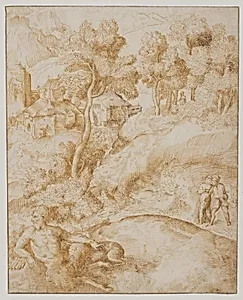
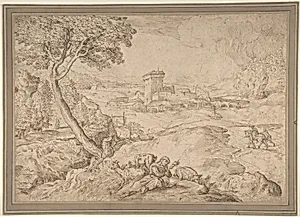
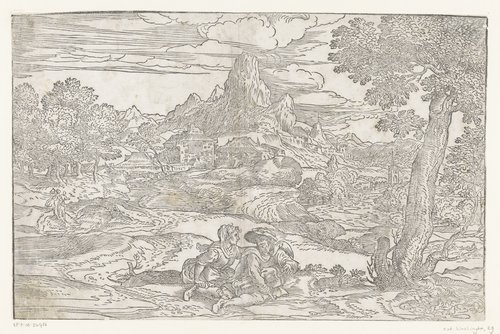
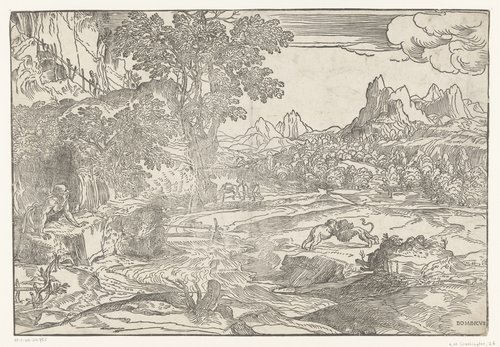
Domenico's legacy endures in his graphic innovations: among the first to treat drawings as autonomous masterpieces, like *Landscape with Shepherds Driving Away a Wolf* (c. 1540) and *Saint Jerome Reading in the Wilderness* (1520–25), which inspired generations including the Carracci brothers and Domenichino. Paintings such as *Adam and Eve* in Florence's Pitti Palace complemented his prints, though many works were long misattributed to Titian or Giorgione, underscoring his profound impact on landscape typology and the Venetian school's emphasis on light, movement, and nature. With over 40 known pieces in major collections, Campagnola bridged painting and printmaking, enriching Renaissance visual culture.