Ctrl K
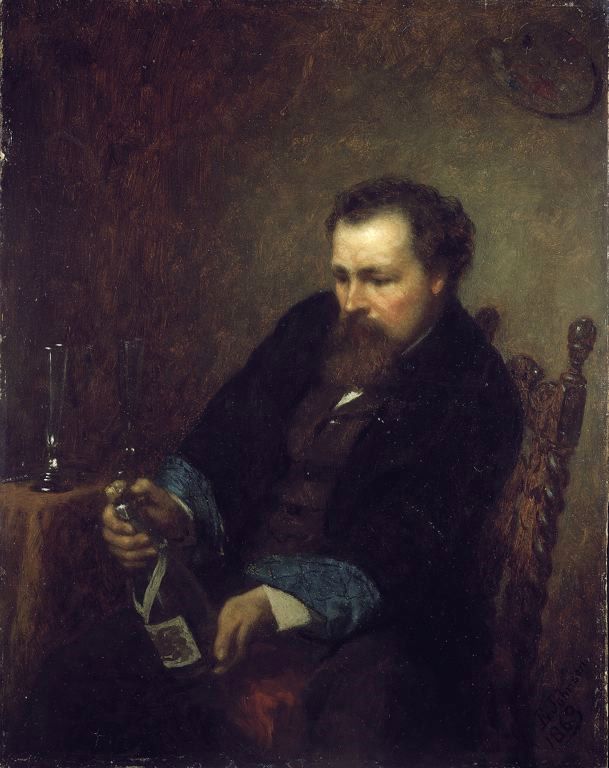
1824–1906
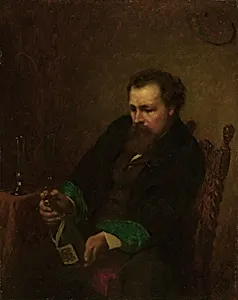
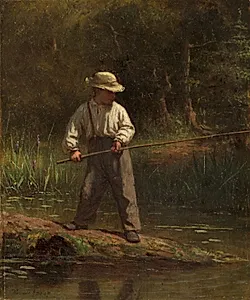
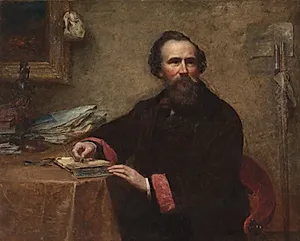
Eastman Johnson (1824–1906) was an American painter known as "the American Rembrandt" for his richly toned genre paintings and portraits that constitute one of the most important visual records of nineteenth-century American life. Born in Lovell, Maine, he trained in Düsseldorf, The Hague — where he studied the Dutch Old Masters extensively — and Paris before returning to the United States.
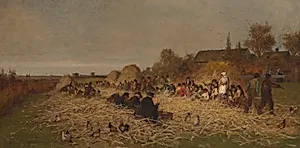
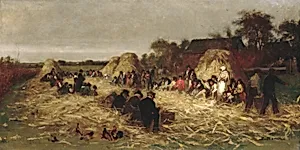
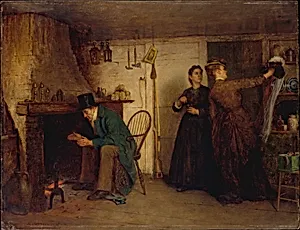
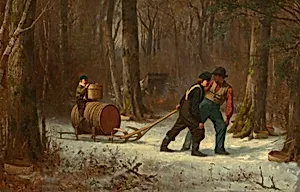
Johnson's 1859 painting "Negro Life at the South" (also known as "Old Kentucky Home") brought him immediate national fame and election to the National Academy of Design. The painting's complex, nuanced depiction of enslaved people's daily life provoked intense discussion in the years leading up to the Civil War. Johnson went on to document many aspects of American life, from cranberry harvesting in Nantucket to maple sugaring in Maine to the daily activities of the urban middle class.
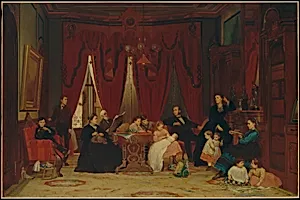
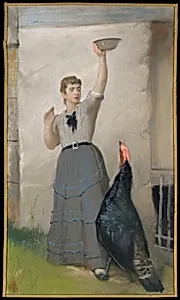
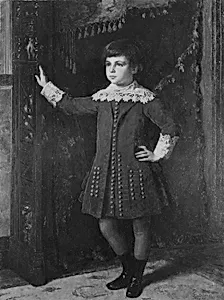
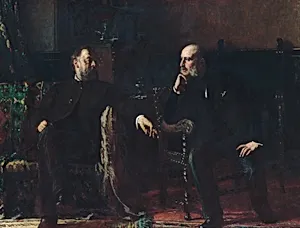
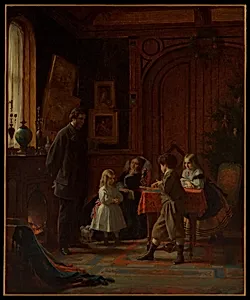
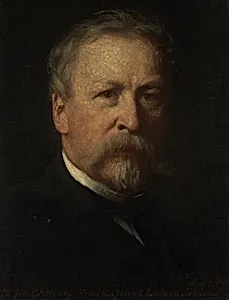
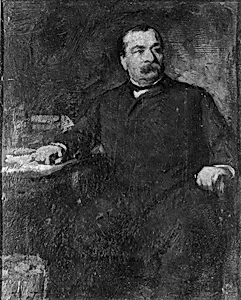
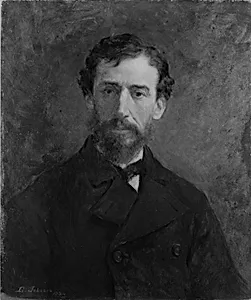
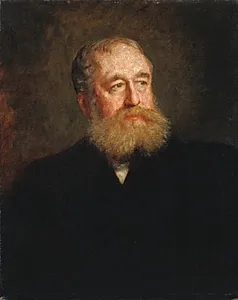
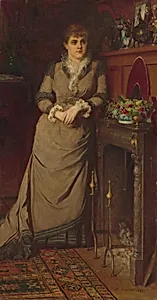
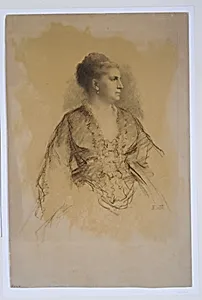
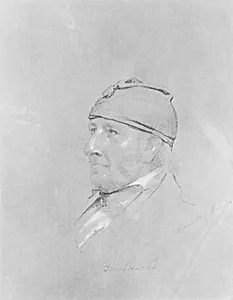
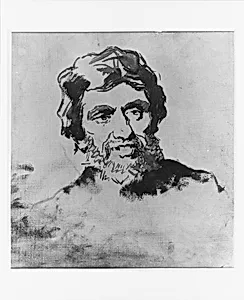
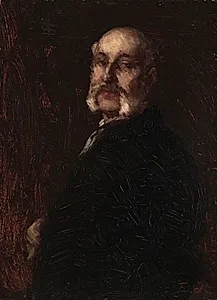
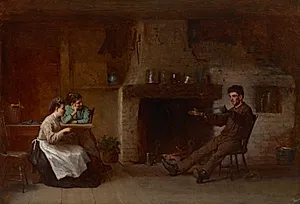
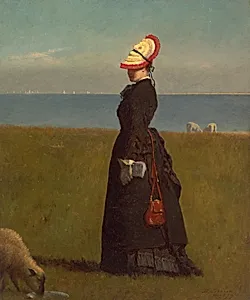
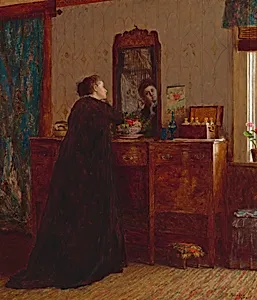
His genre paintings are distinguished by their warm, Rembrandtesque palette, careful observation of light and domestic interiors, and sympathetic attention to the dignity of ordinary people. His portraits of prominent Americans — including Abraham Lincoln, Nathaniel Hawthorne, and many other figures — combine psychological insight with technical mastery of the old master tradition.
Johnson's work bridges the gap between antebellum American genre painting and the cosmopolitan realism of the Gilded Age. His paintings are held by the Metropolitan Museum of Art, the Brooklyn Museum, the Smithsonian American Art Museum, the Museum of Fine Arts, Boston, and the New-York Historical Society.