Ctrl K
1893–1964
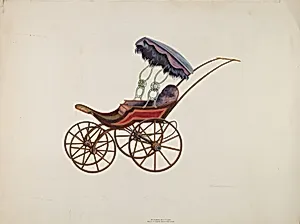
Einar Heiberg (1893–1964) was an American artist best known for his meticulous documentation of everyday American folk art objects during the Great Depression era. Active primarily in the late 1930s, Heiberg contributed significantly to the Index of American Design, a groundbreaking Federal Art Project under the Works Progress Administration (WPA). This initiative commissioned artists across the United States to create visual records of the nation's decorative arts, crafts, and vernacular designs, preserving cultural heritage at a time of economic hardship.
Little is known about Heiberg's early life or formal training, as biographical details remain sparsely documented beyond his professional output. No records of specific teachers, art schools, or mentors have surfaced in major art history sources. Instead, his career highlights emerge through his WPA involvement, where he produced dozens of precise renderings between 1935 and 1942. Working in watercolor, graphite, colored pencil, gouache, and pen and ink on paper, Heiberg captured the charm and intricacy of utilitarian objects, reflecting a representational style attuned to American regionalism and folk traditions.
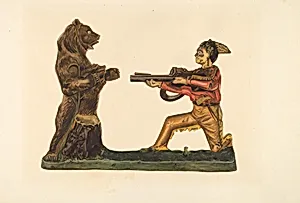
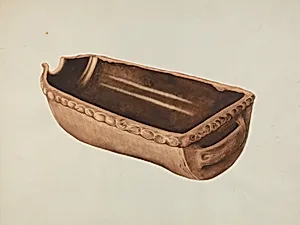
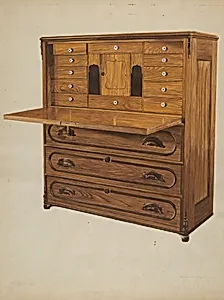
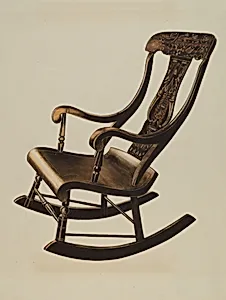
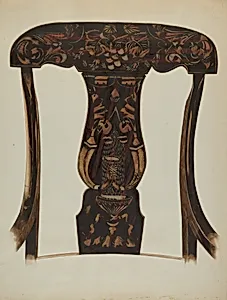
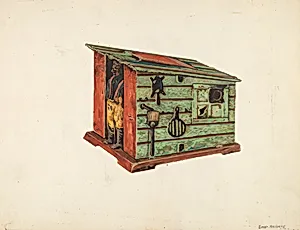
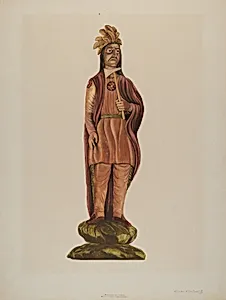
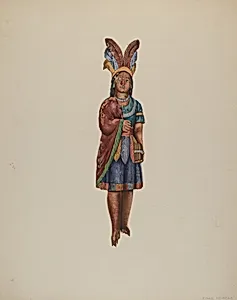
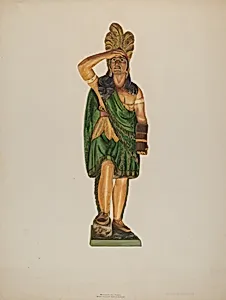
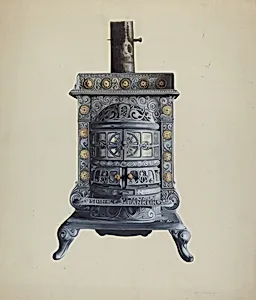
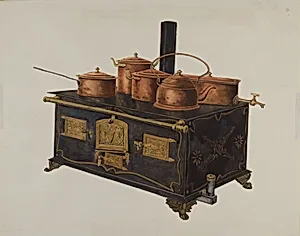
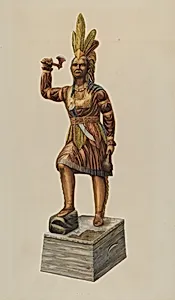
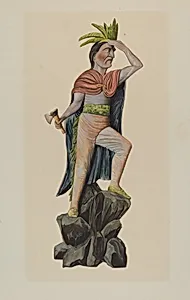
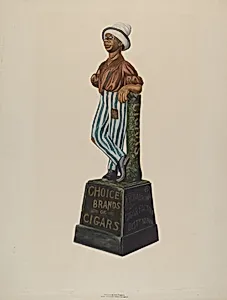
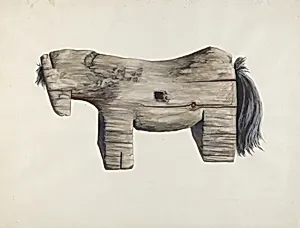
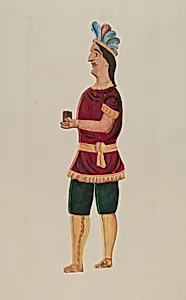
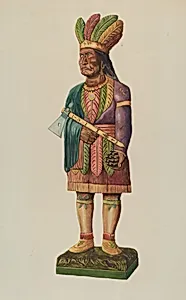
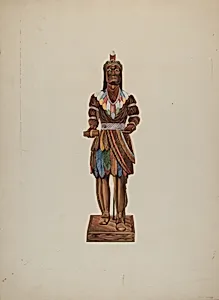
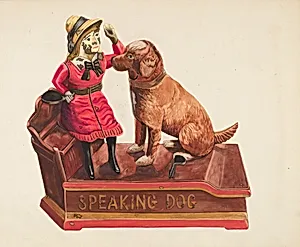
Among his major works are vivid depictions such as *Speaking Dog Mechanical Bank* (c. 1939), a whimsical toy that "speaks" when a coin is inserted; *Toy Bank: Hunter Shooting Bear* (c. 1938), illustrating a playful cast-iron savings device; and multiple studies of *Cigar Store Indian* figures (c. 1937), iconic wooden trade signs from the 19th century. Other notable pieces include *Boston Rocker* (c. 1938, two versions), *Desk* (c. 1938), *Stove* (c. 1937), *Toy Stove* (1935–1942), and *Earthenware Roasting Pot* (c. 1938), all showcasing his eye for texture, form, and historical detail.
Heiberg's legacy endures through the National Gallery of Art's collection of his 20 works, which continue to educate on America's material culture. By transforming humble artifacts—toys, furniture, and tools—into celebrated art, he helped elevate folk design within the canon of American modernism, influencing later studies in vernacular aesthetics and design history.