Ctrl K
1855
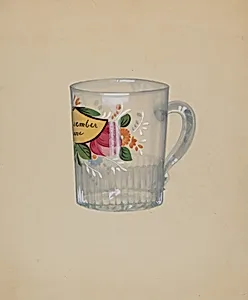
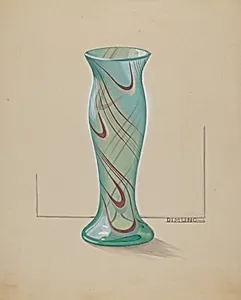
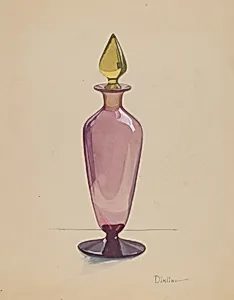
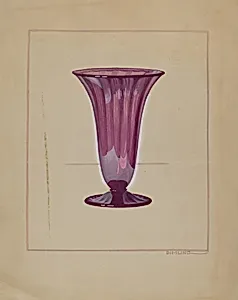
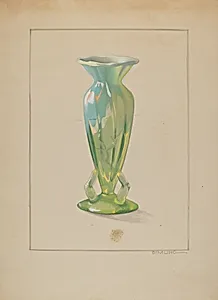
Elizabeth Dimling remains an enigmatic figure in the art world, with biographical details largely absent from major art historical databases, Wikipedia entries, and standard reference sources. Her nationality is listed as other, suggesting origins outside the most commonly documented Western European or North American artistic traditions, yet no specific country or cultural context has surfaced in available records. The artist is represented in the virtual museum’s holdings by five known works, which stand as the primary tangible evidence of her creative output. Beyond these pieces, public information about her life, career trajectory, or personal circumstances is minimal, leaving much of her story open to further archival discovery.
Details regarding Dimling’s training or any teachers and mentors are not recorded in accessible art history materials. No art school affiliations, movements, or formal apprenticeships appear in searches across reliable sources. This absence means her artistic development cannot be placed within established schools or traditions such as Impressionism, Abstract Expressionism, or regional folk practices. Without documented influences, her approach to medium, technique, or subject matter must be inferred solely from the five works themselves, which have not been extensively analyzed or dated in published scholarship.
Major works by Dimling are known only through their presence in the collection, with no specific titles, creation dates, or exhibition histories emerging from research. Her legacy, therefore, rests primarily on these five pieces and the potential they hold for future study. As an artist whose profile has not yet entered mainstream art historical narratives, Dimling exemplifies how many creators outside prominent circles contribute quietly to cultural heritage. Continued research in private archives or regional collections may one day illuminate her contributions more fully, enriching the understanding of diverse artistic voices represented in museum holdings.