Ctrl K
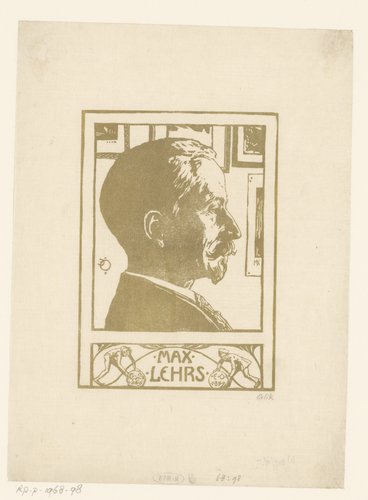
1870–1932
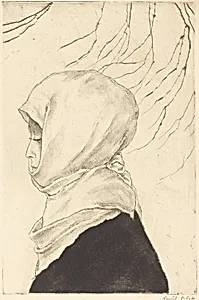
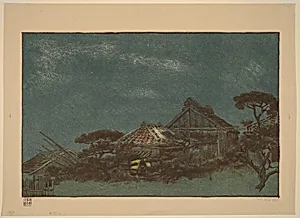
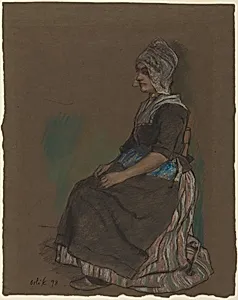
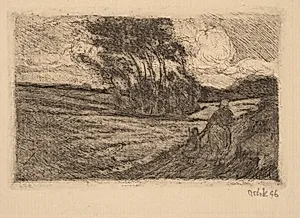
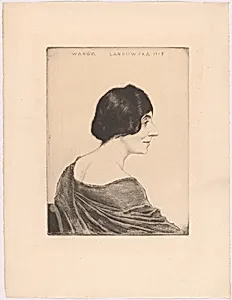
Emil Orlík (1870–1932) was a Czech painter, etcher, and lithographer whose cosmopolitan career bridged the artistic centers of Prague, Vienna, Munich, Berlin, and Tokyo. Born on July 21, 1870, in Prague, Orlík became one of the most important promoters of Japanese art and woodcut techniques in early twentieth-century Europe, directly studying traditional Japanese printmaking methods during two extended visits to Japan in 1900–1901 and 1911–1912. As a member of the Vienna Secession alongside Gustav Klimt, Orlík contributed significantly to the Japonisme movement and modern printmaking. His direct training with Japanese masters, particularly the painter Kanō Tomonobu, gave him unique authority to introduce authentic Japanese techniques to European artists. Beyond his technical mastery, Orlík was an influential teacher, lecturer, and collector who owned and exhibited an extensive collection of Japanese woodcuts, helping to shape European understanding of Japanese aesthetics.
Born on July 21, 1870, in Prague, then part of the Austrian Empire, Emil Orlík grew up during a period of intense cultural exchange between Central Europe and East Asia.
During his European travels in 1898, he became aware of Japanese art and the profound impact it was having in Europe. This exposure inspired his decision to travel to Japan to learn woodcut techniques directly from Japanese masters—an unusual and ambitious undertaking for a European artist.
By 1899, Orlík was living in Vienna, where he became a member of the Vienna Secession. He showed works in the third exhibition of the Vienna Secession and contributed to the group's publications on modern art trends, including 'Japonisme,' establishing himself as an authority on Japanese aesthetics among the Viennese avant-garde.
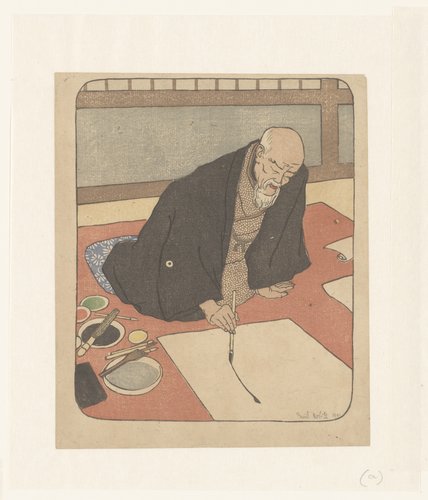
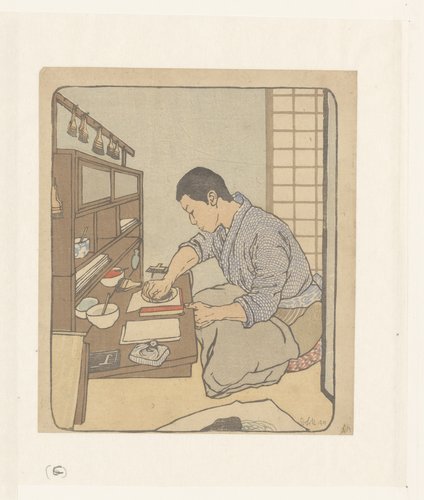
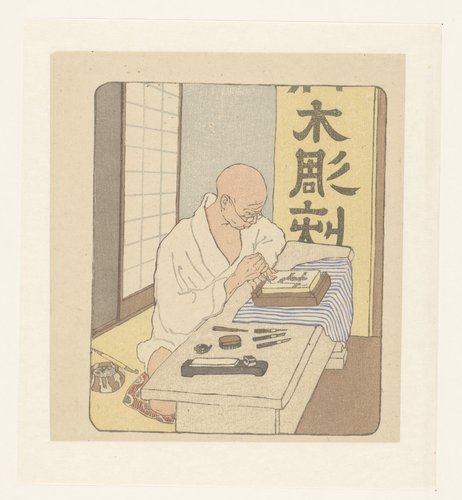
During his first stay in Japan from 1900 to 1901, Orlík studied traditional woodcut techniques under the painter Kanō Tomonobu (1843–1912). He portrayed Tomonobu at work in his studio, documenting this important cross-cultural artistic exchange.
Upon returning to Europe, Orlík became a prominent promoter of Japanese art and techniques. He lectured extensively on Japanese printmaking, exhibited his collection of Japanese woodcuts, and demonstrated the techniques he had learned.
His connections spanned multiple artistic centers. He was artistically connected with Vienna (where he was a member of the Vienna Secession along with Gustav Klimt), Munich, Berlin, and Prague, moving fluidly between these major cultural capitals.
Orlík returned to Japan for a second extended visit from 1911 to 1912, deepening his understanding of Japanese artistic traditions and expanding his collection of prints.
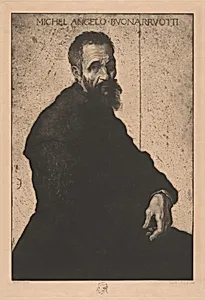
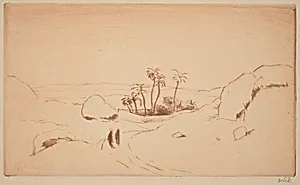
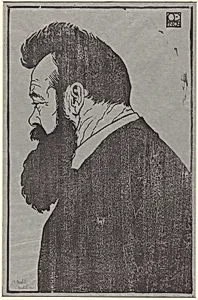
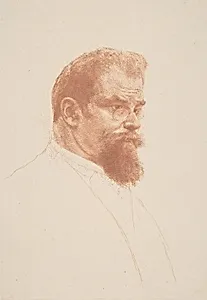
In his mature work, Orlík successfully synthesized Japanese and European printmaking traditions, creating works that demonstrated technical mastery of both approaches.
Throughout his later years, he continued working across multiple media—painting, etching, and lithography—while maintaining his position as a leading authority on Japanese art in Central Europe.
Emil Orlík died on September 28, 1932, having established himself as a crucial bridge figure between Eastern and Western printmaking traditions and as an influential member of the Vienna Secession.
Artheon Research Team
Last updated: 2025-11-09
Biography length: ~461 words