Ctrl K
1849–1906
Eugène Carrière (1849–1906) was a French painter whose deeply personal and atmospheric canvases made him one of the most distinctive voices of the Symbolist generation. Born in Gournay-sur-Marne, Carrière trained at the École des Beaux-Arts in Paris under Alexandre Cabanel, though he quickly moved beyond the academic conventions he encountered there, forging an intensely individual manner that owed as much to personal experience as to institutional instruction. A period of residence in London in the early 1870s brought him into contact with the tonal restraint of English painting and deepened his appreciation for quiet, introspective imagery.
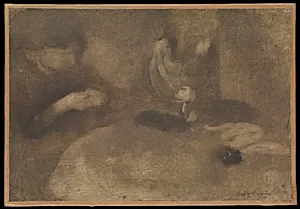
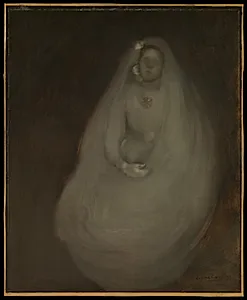
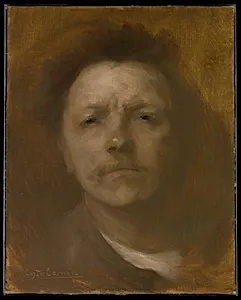
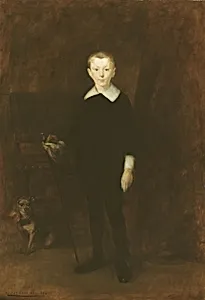
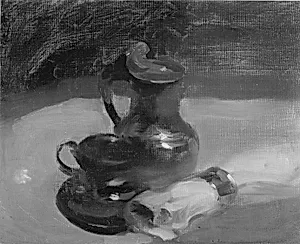
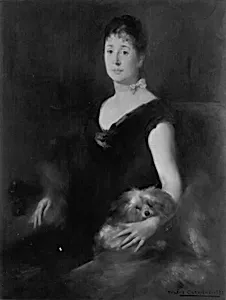
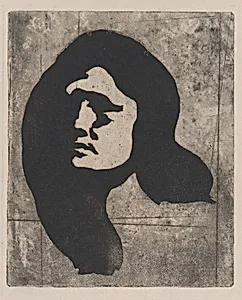
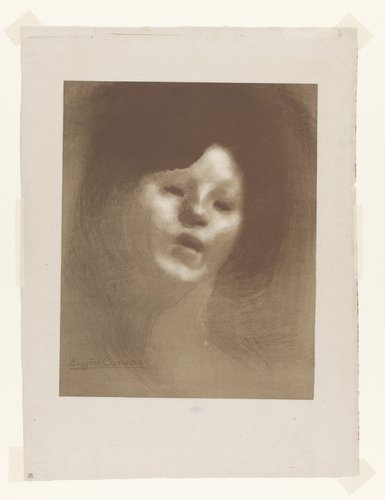
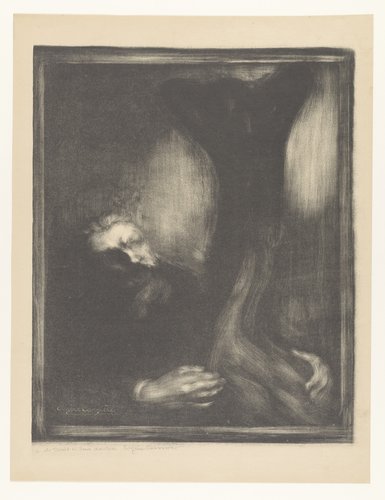
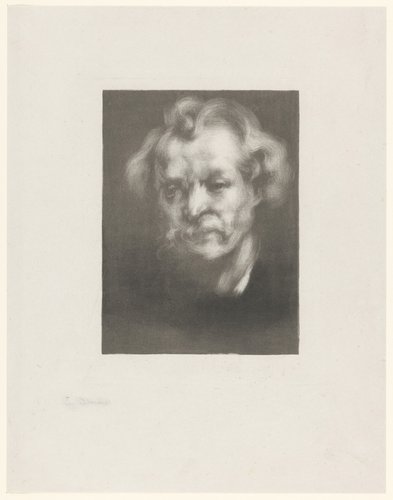
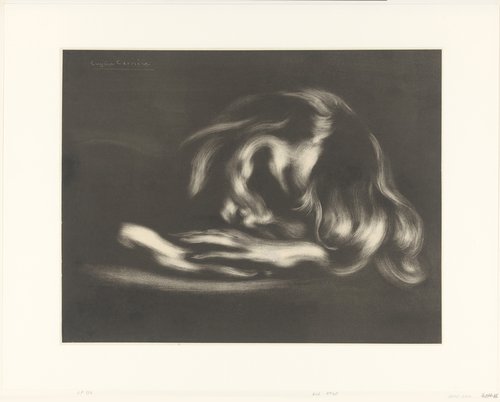
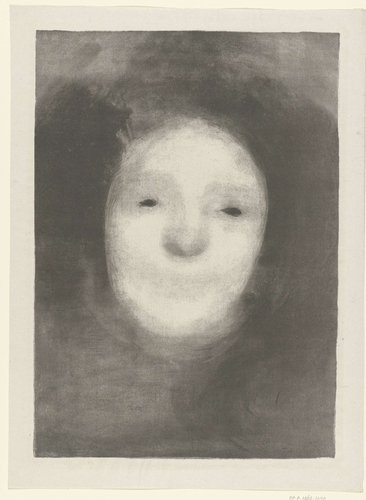
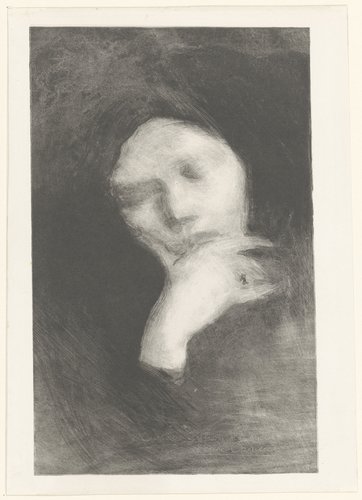
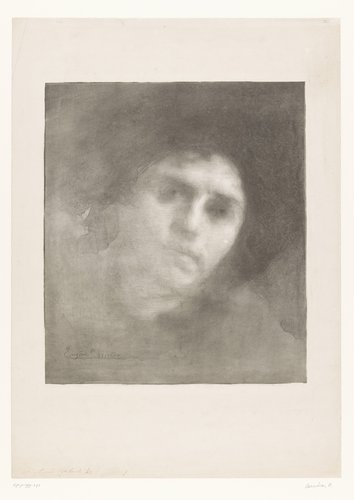
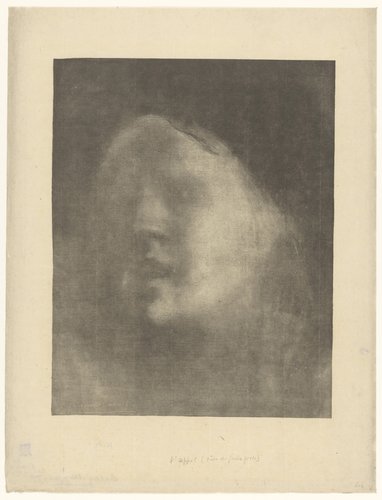
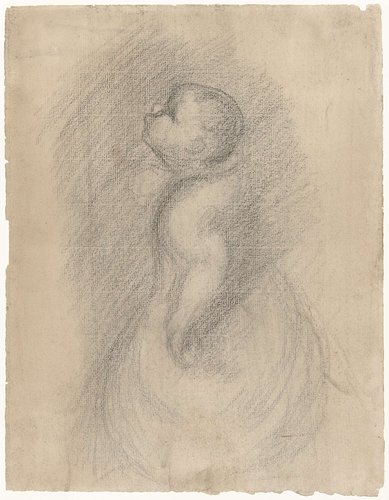
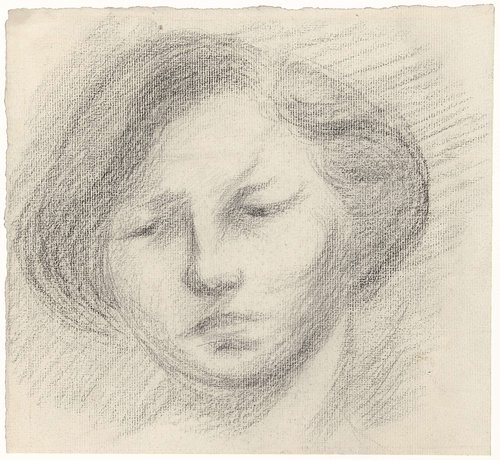
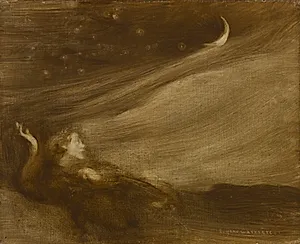
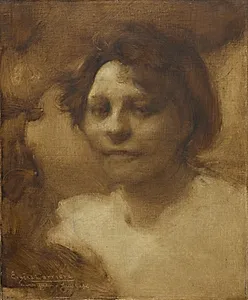
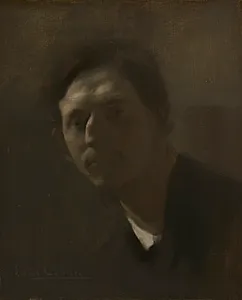
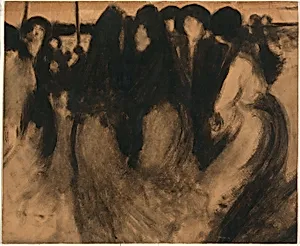
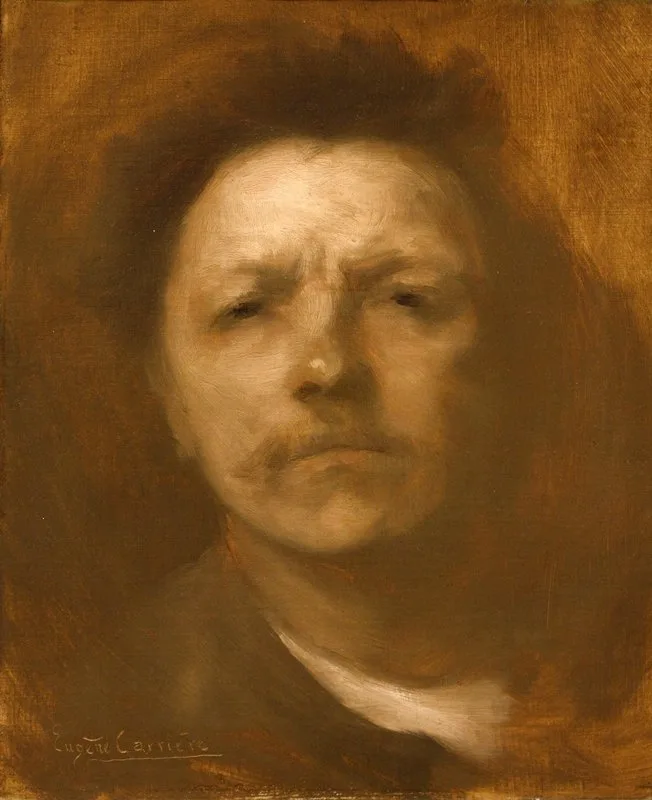
Carrière is best known for his monochromatic compositions suffused in warm brown and gray tones, from which figures — most often his wife and children — emerge as though materializing from shadow. This technique, sometimes described as a kind of visual tenderness, was not merely a stylistic affectation but a philosophical statement: for Carrière, love and human connection were the only subjects truly worthy of art. Works such as his celebrated series of maternal scenes and his portrait of Paul Verlaine exemplify this vision, capturing intimacy and vulnerability with extraordinary economy of means.
Beyond his easel work, Carrière was a figure of considerable intellectual and social importance in fin-de-siècle Paris. He was a close friend of Auguste Rodin and a teacher whose influence was felt by a younger generation, most notably the young Henri Matisse, who briefly studied in Carrière's studio. He was also deeply engaged with the political currents of his time, a committed Dreyfusard and advocate for social justice.
Carrière's legacy is one of singular artistic integrity. Though the misty, monochrome quality of his canvases fell somewhat out of fashion in the era of Fauvism and Cubism, his commitment to rendering the inner life of his subjects has ensured his enduring place in the history of French Symbolism.