Ctrl K
1875–1953
Eugene Croe (c. 1875–1953) was an American artist whose career is primarily documented through his contributions to the Index of American Design, a Federal Art Project under the Works Progress Administration (WPA) during the 1930s and 1940s. This ambitious initiative commissioned artists to create precise illustrations of American folk art, decorative arts, and everyday objects, preserving a visual record of the nation's material culture amid the Great Depression. Little is known of Croe's early life or formal training, as biographical details remain sparse beyond his active period in the late 1930s. His output aligns with the project's emphasis on technical accuracy rather than personal innovation, capturing the textures, forms, and historical significance of vernacular artifacts.
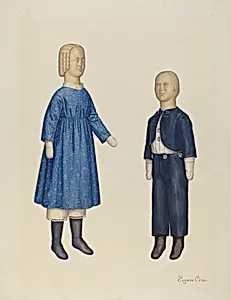
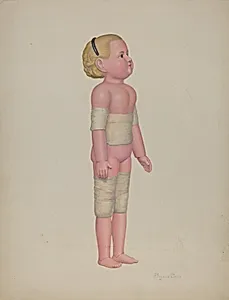
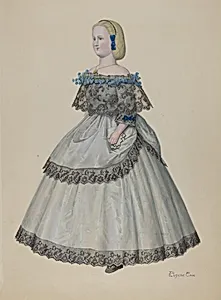
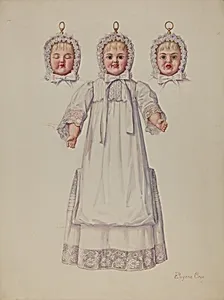
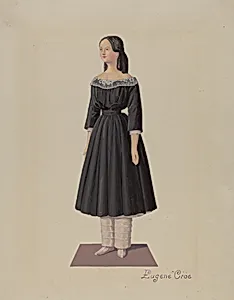
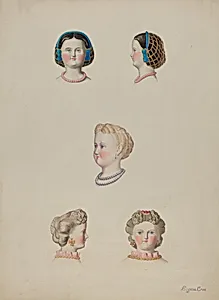
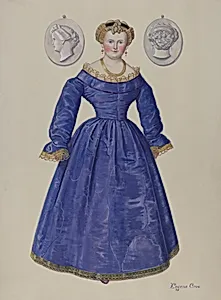
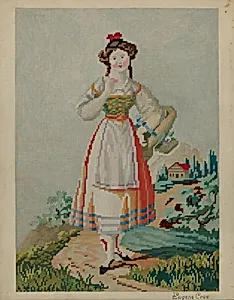
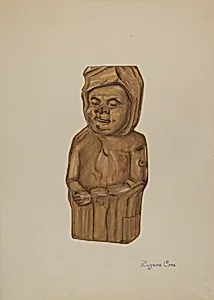
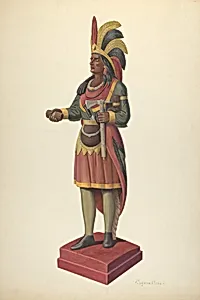
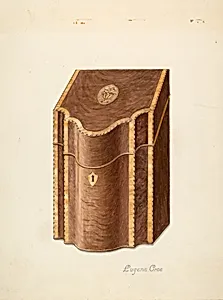
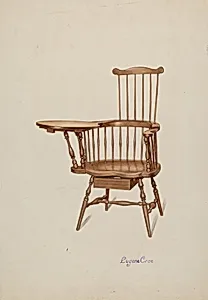
Croe specialized in watercolor, gouache, and graphite renderings that highlighted the charm and craftsmanship of American domestic items and trade figures. Working in a representational style suited to documentation, he depicted subjects like wooden cigar store Indians, antique furniture, and milliner's model dolls with meticulous detail, often noting inscriptions or makers' marks. His pieces from circa 1936–1939 reflect the folk art revival of the era, bridging commercial signage, toys, and household wares. Notable examples include *Cigar Store Indian* (c. 1936), a vibrant portrayal of a late-19th-century wooden figure used in tobacco shops, and *Dressing Table* (c. 1936), showcasing intricate woodworking and decorative elements.
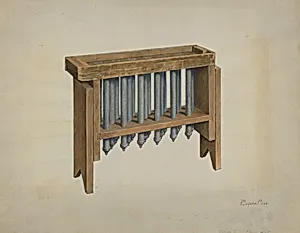
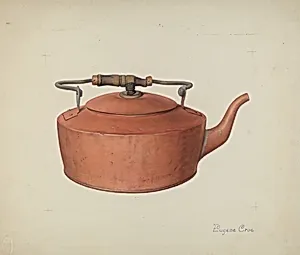
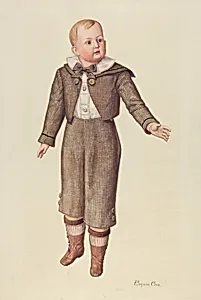
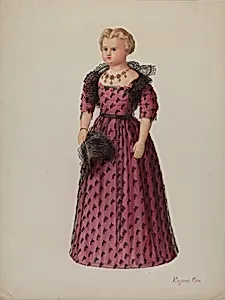
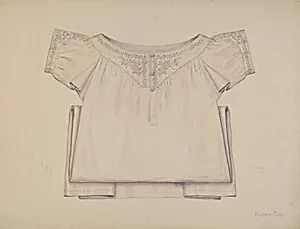
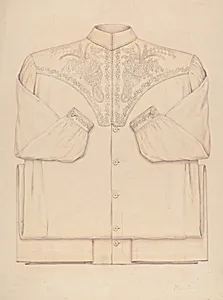
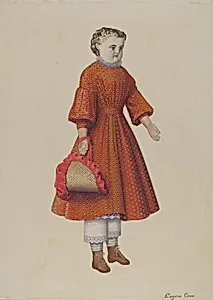
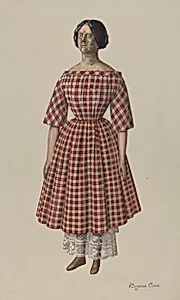
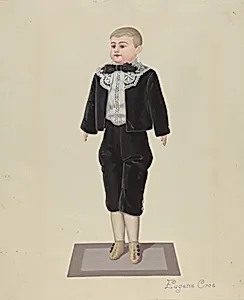
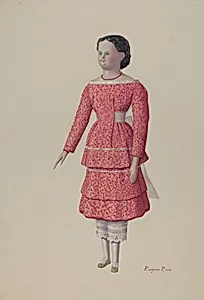
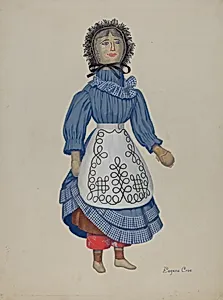
Among his most evocative works are the doll portraits, such as *Doll—"Eugenia"* (c. 1938), *Doll—"Donald"* (c. 1938), and *Doll—"Grace"* (c. 1938), which humanize these fashion models and playthings through soft lighting and fabric folds. Other highlights encompass *Copper Tea Kettle* (c. 1939), *Candle Mold* (c. 1939), and *Nightgown* (c. 1938), all rendered with a keen eye for patina and utility. The National Gallery of Art holds 55 of his drawings, forming a core archive of this output.
Croe's legacy endures through his role in democratizing art historical preservation, making obscure folk objects accessible to scholars and the public. Featured in the Museum of Modern Art's *New Horizons in American Art* (1936), his drawings helped elevate everyday Americana to cultural icons, influencing mid-20th-century interest in regional crafts and influencing later folk art studies. Though not a household name, Croe's precise documentation remains a vital thread in understanding America's artistic heritage.