Ctrl K
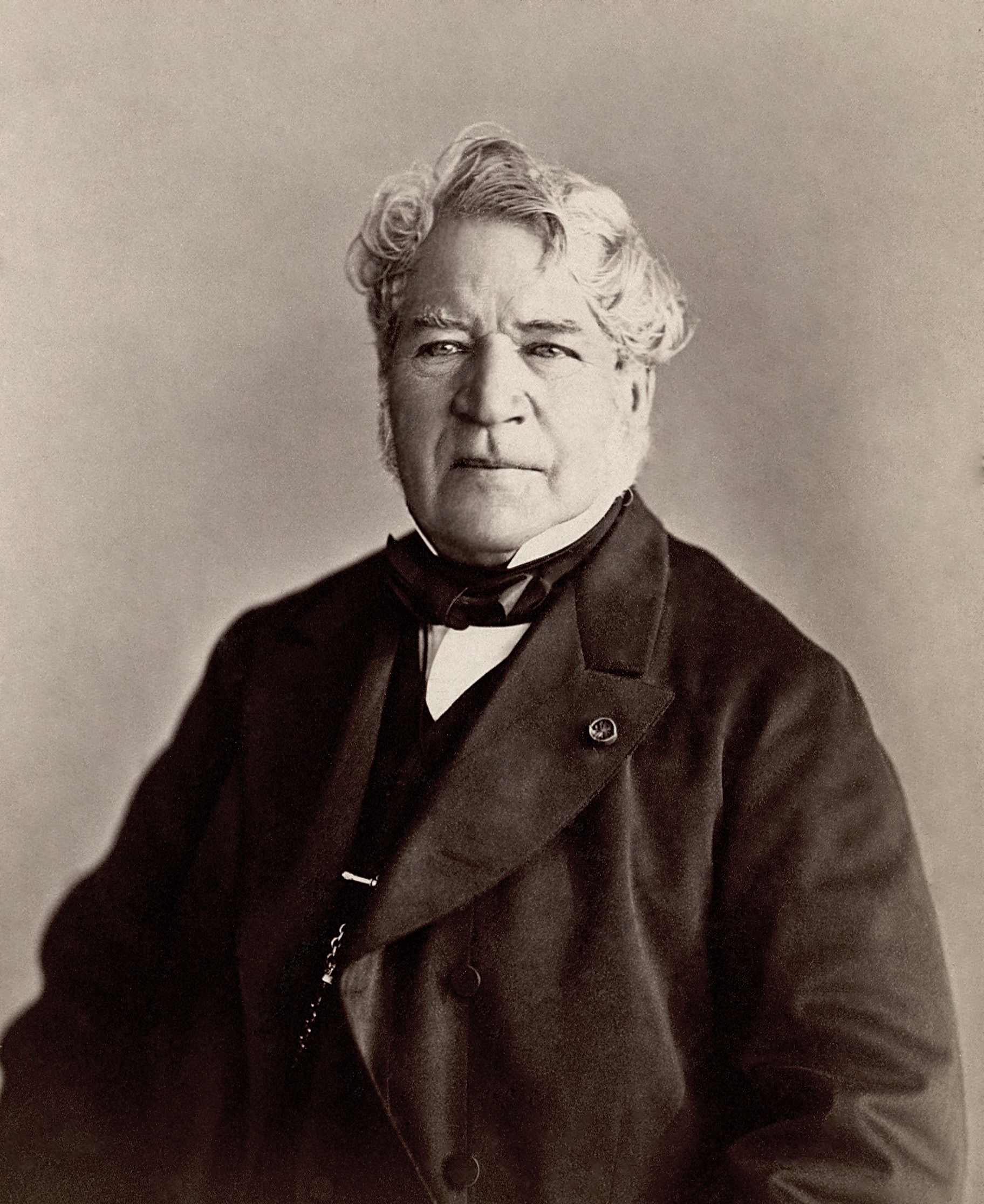
1803–1886
Eugène Isabey (1803–1886) was a French painter and lithographer known for his dramatic seascapes, coastal scenes, and historical compositions. Born in Paris, he was the son of the celebrated miniaturist and portraitist Jean-Baptiste Isabey, who provided his early artistic training. The younger Isabey studied briefly with various masters but was largely shaped by his father's studio and by his own intensive study of nature along the coasts of Normandy and Brittany.
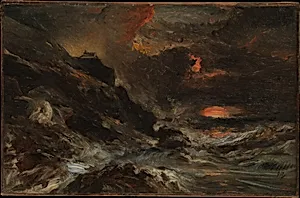
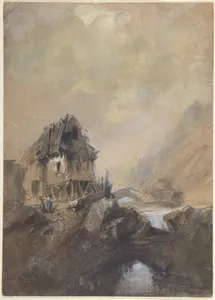
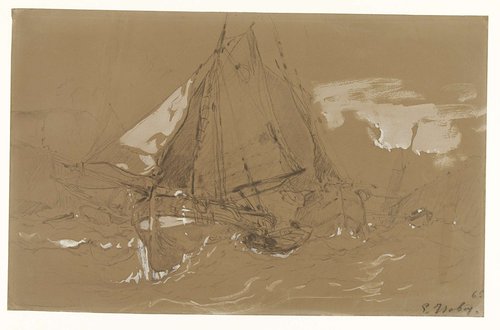
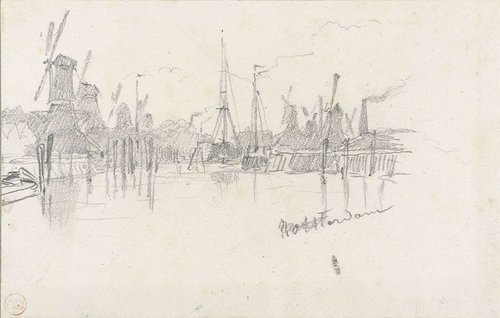
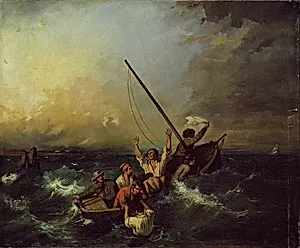
Isabey became one of the leading French Romantic painters of marine and coastal subjects. His seascapes — depicting stormy seas, rocky coastlines, harbor scenes, and shipwrecks — are characterized by dramatic lighting, turbulent skies, and a painterly freedom that aligned him with the Romantic movement of Delacroix and Géricault rather than the neoclassical tradition. His atmospheric effects and vigorous brushwork anticipated aspects of Impressionism.
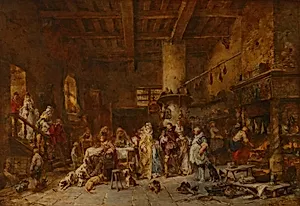
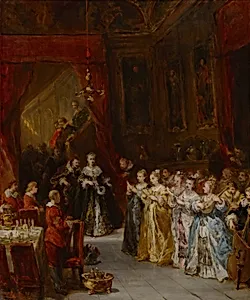
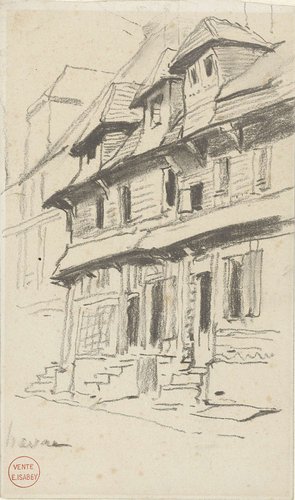
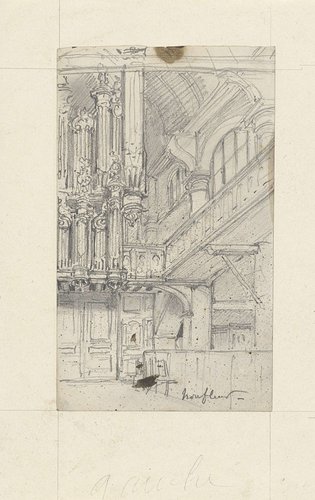
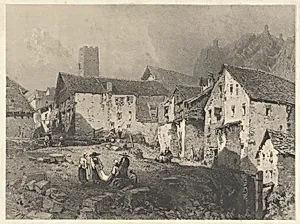
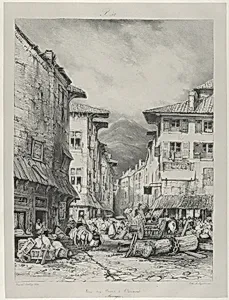
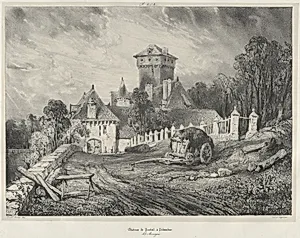
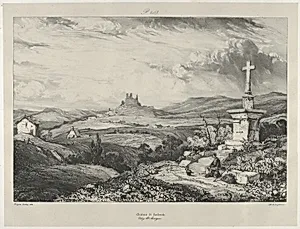
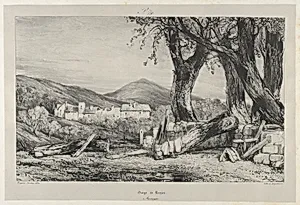
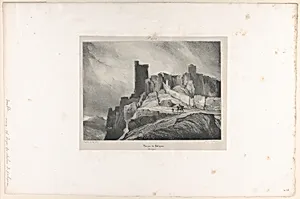
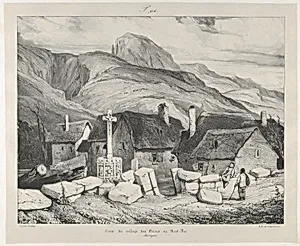
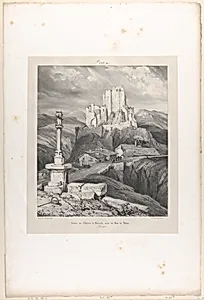
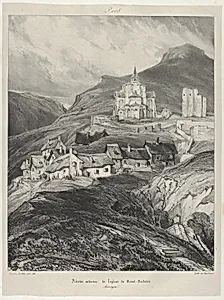
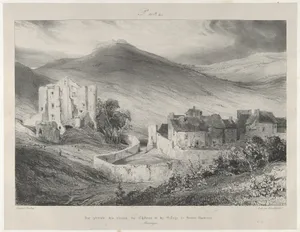
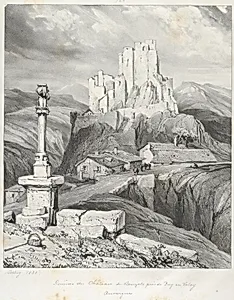
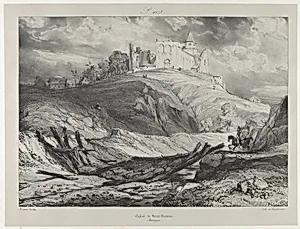
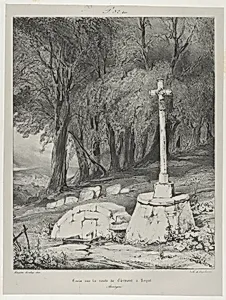
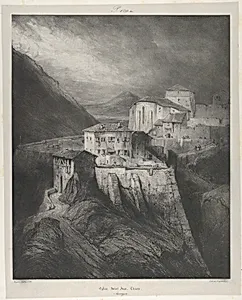
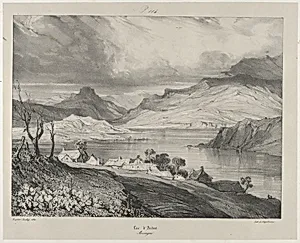
Beyond seascapes, Isabey produced notable historical and ceremonial paintings, including his depiction of the embarkation ceremony for the marriage of the Duke of Orléans (1837) and other state occasions. He was also a skilled lithographer, producing albums of coastal views and architectural subjects that were widely admired for their tonal richness and compositional verve.
Isabey exhibited regularly at the Paris Salon throughout his long career, winning medals and official recognition. He was made a Chevalier of the Légion d'honneur. His paintings are held by the Musée du Louvre, the Musée d'Orsay, the Wallace Collection in London, and numerous French regional museums. He is regarded as one of the finest French marine painters of the Romantic period.