Ctrl K
1535–1612
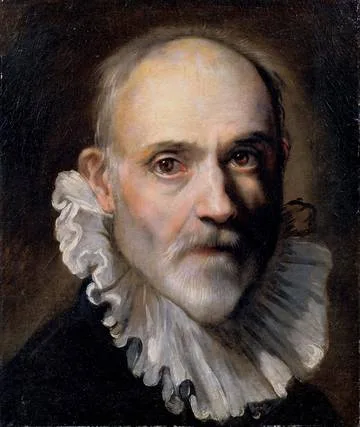
Federico Barocci (c. 1535–1612) was an Italian painter from Urbino whose luminous, emotionally tender religious paintings made him one of the most original and influential artists of the late sixteenth century, bridging Mannerism and the early Baroque. Born in Urbino, the city of Raphael, he studied under Battista Franco and traveled to Rome, where he absorbed the lessons of Raphael, Correggio, and the Roman High Renaissance tradition.
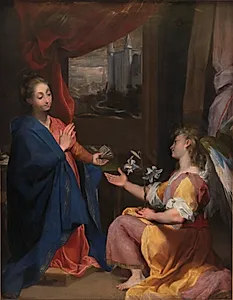
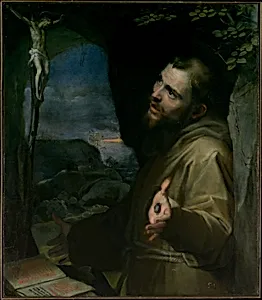
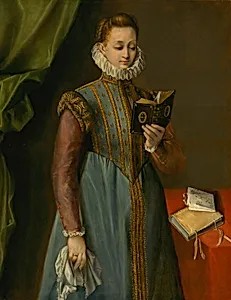
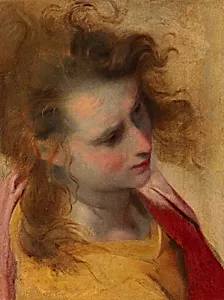
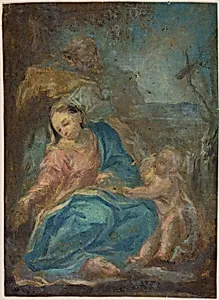
Barocci's mature paintings are distinguished by their extraordinary color — soft, iridescent harmonies of pink, lavender, pale green, and gold that give his works a luminous, almost otherworldly quality unique in Italian painting. His religious compositions, including "The Rest on the Flight into Egypt" (c. 1573), "The Madonna del Popolo" (1579), and "The Visitation" (1586), combine Counter-Reformation piety with a warmth and accessibility that made them enormously popular with both clergy and laity.
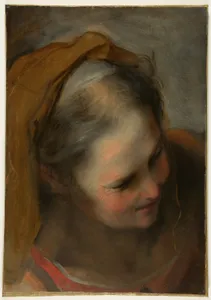
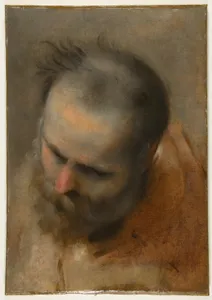
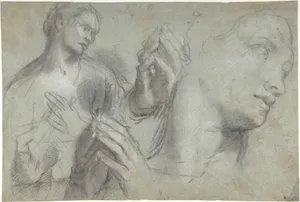
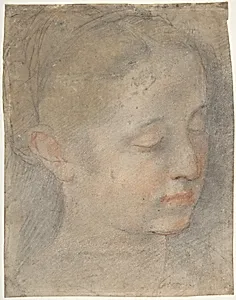
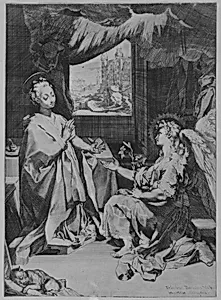
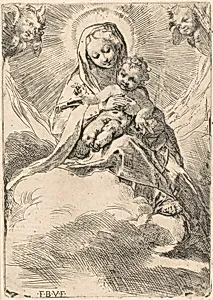
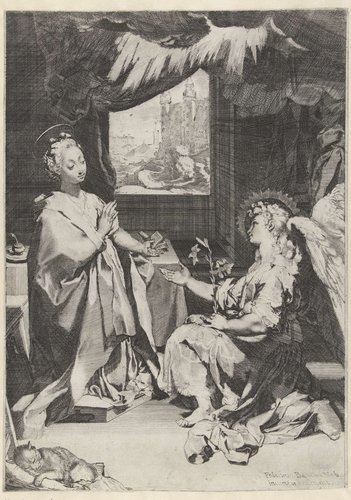
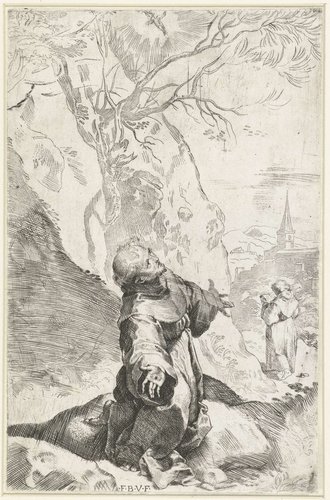
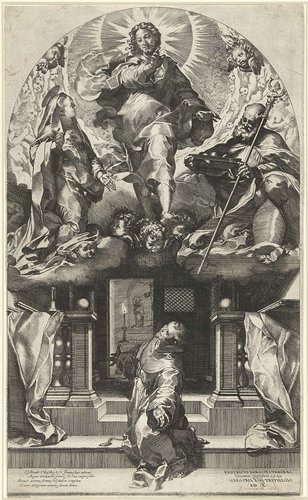
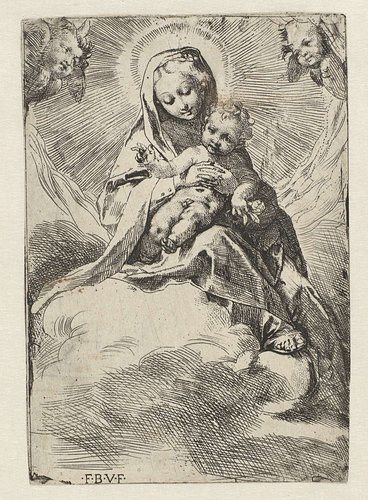
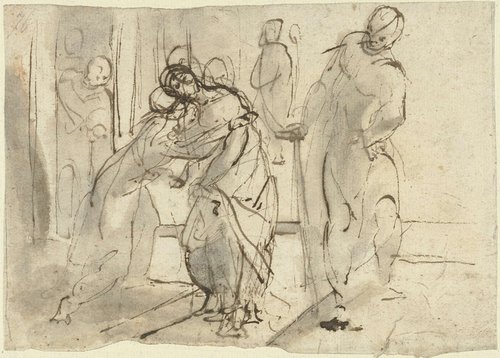
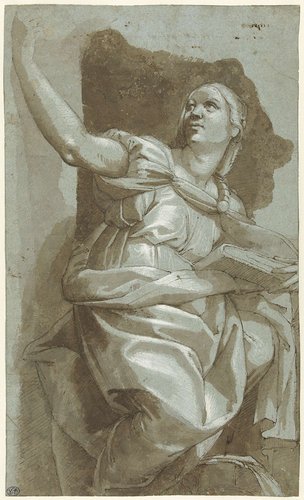
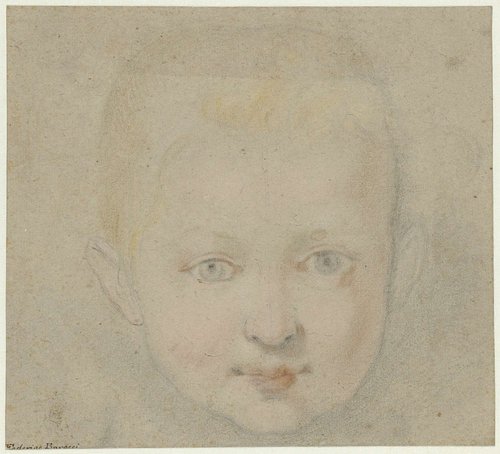
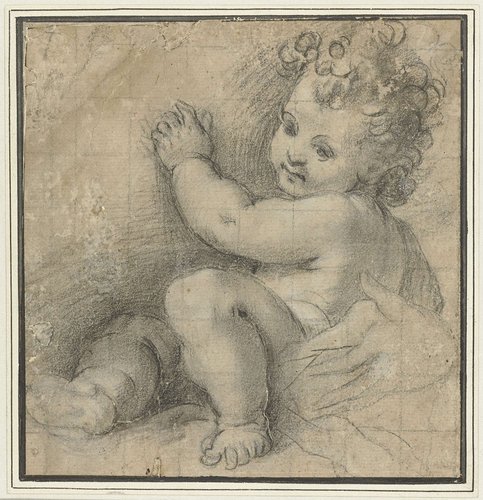
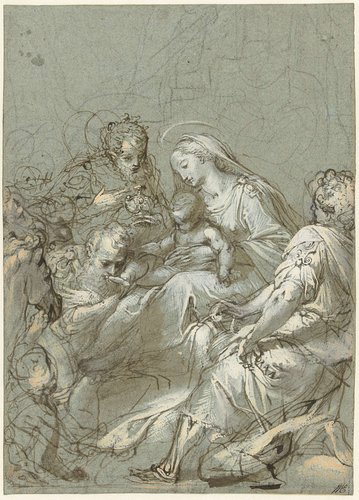
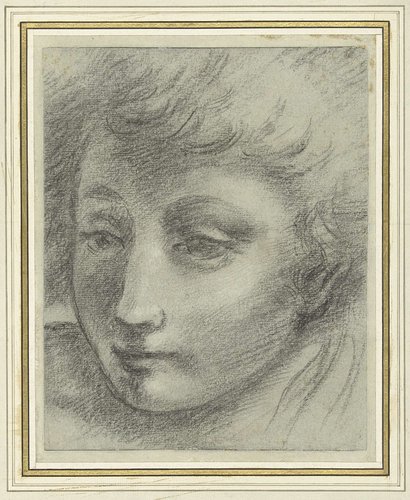
Barocci was also one of the most accomplished draftsmen of his era, producing elaborate preparatory drawings in chalk, pastel, and oil on paper that are celebrated as independent works of art. His use of colored chalks — a technique he developed to an unprecedented degree — allowed him to work out his distinctive color harmonies at the drawing stage. He was also a pioneering printmaker, producing etchings of exceptional refinement.
Despite suffering from chronic ill health that limited his output and confined him largely to Urbino, Barocci's influence was wide-reaching. His paintings were admired by Rubens, who studied them carefully, and his combination of emotional warmth, luminous color, and devotional sincerity anticipated key qualities of Baroque painting. His work is held by the Uffizi, the Vatican Museums, the National Gallery in London, the Prado, and the Galleria Nazionale delle Marche in Urbino.