Ctrl K
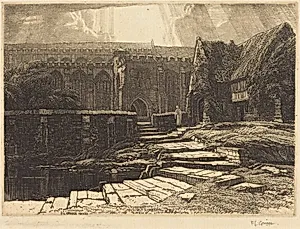
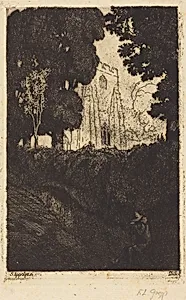
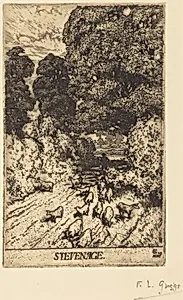
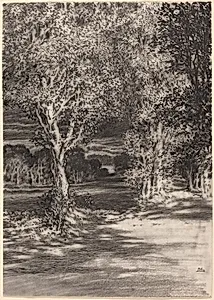
Frederick Landseer Maur Griggs (1876–1938), known professionally as F.L. Griggs, was a British etcher and illustrator whose haunting architectural prints rank among the finest achievements in the revival of etching as a fine art medium during the early twentieth century. Born in Hitchin, Hertfordshire, Griggs was largely self-taught as a printmaker, developing his mastery of the etching needle through intense study of the Old Masters, particularly Rembrandt and the great sixteenth-century etchers, as well as through the influence of his friend and mentor F.L. Emanuel and the broader community of the Arts and Crafts movement.
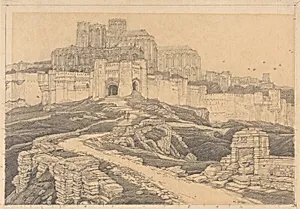
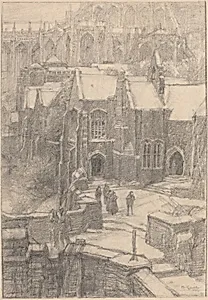
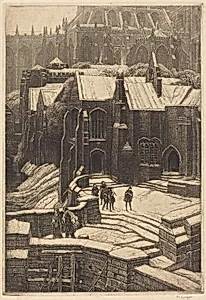
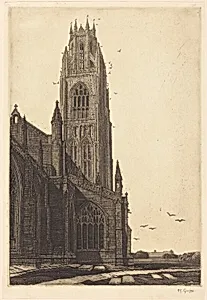
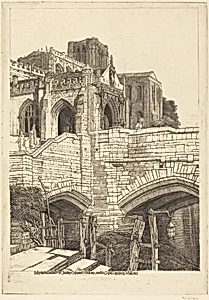
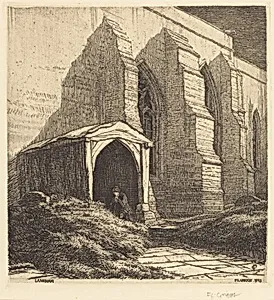
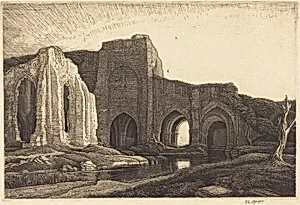
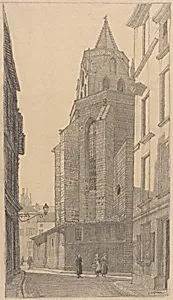
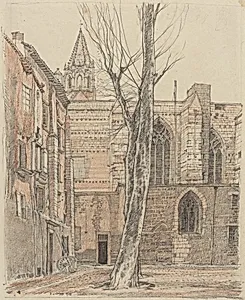
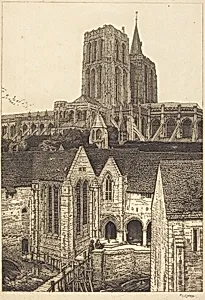
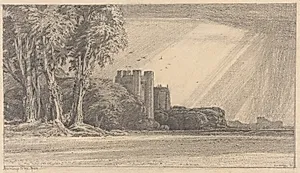
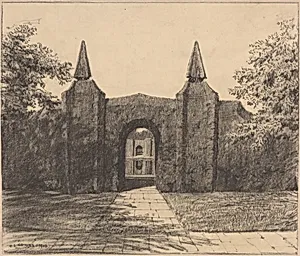
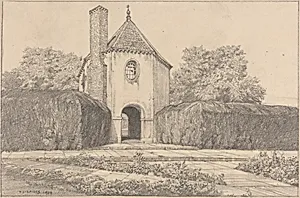
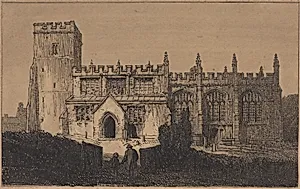
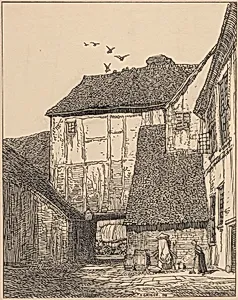
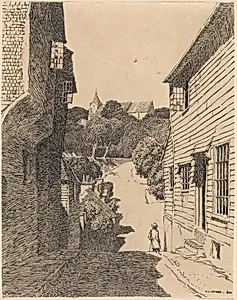
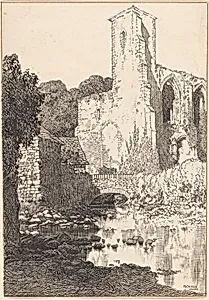
Griggs came to etching after an early career as an architectural illustrator, most notably producing drawings for Macmillan's Highways and Byways series, work that gave him an intimate knowledge of English vernacular architecture and landscape. His etchings, which he began to produce seriously from around 1912, draw on this deep familiarity but transcend mere topography. His prints depict ruined abbeys, medieval manor houses, and dream-like architectural fantasies — scenes that feel suspended between history and imagination, suffused with melancholy and spiritual longing. He converted to Roman Catholicism in 1912, and this faith increasingly shaped the mystical quality of his vision.
Griggs was a central figure in the Chipping Campden community in the Cotswolds, which had been established as an Arts and Crafts enclave by C.R. Ashbee, and he spent much of his later life there. He became an Associate of the Royal Academy and was widely recognized by his contemporaries as a printmaker of extraordinary sensitivity and technical command.
His legacy endures among collectors and print historians as an artist who used the etching medium not merely to record the world but to evoke states of feeling — reverence, loss, and wonder — with a precision and depth that few of his generation could match.