Ctrl K
1814–1871
Occupations
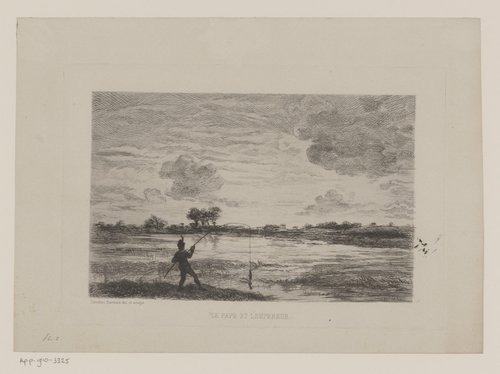
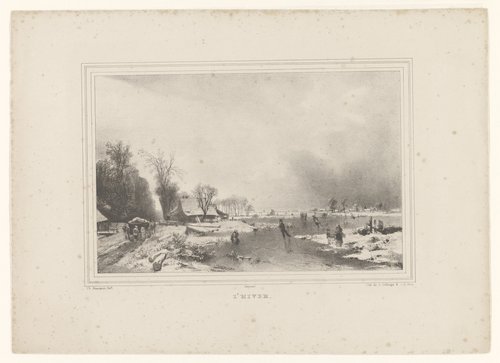
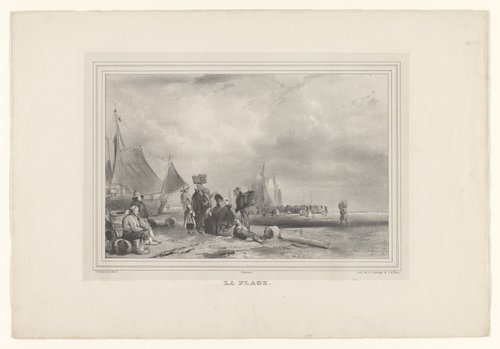
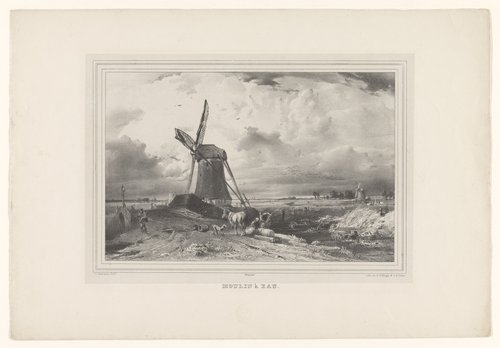
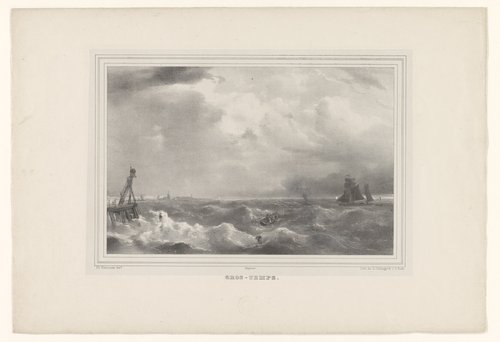
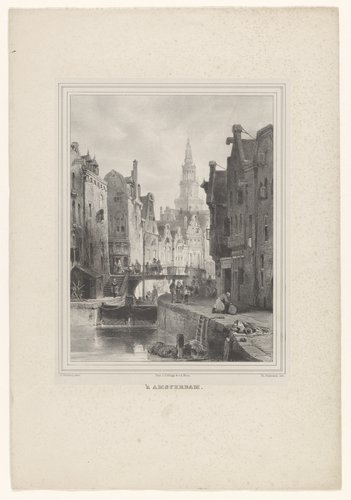
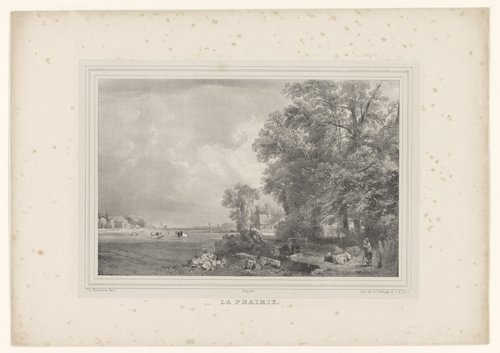
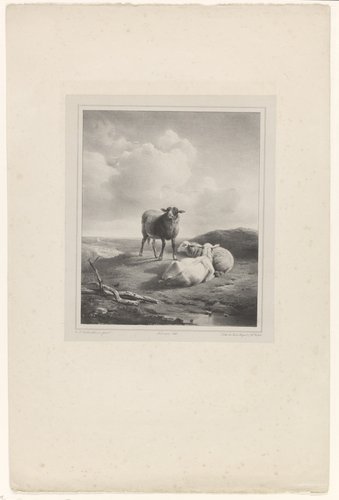
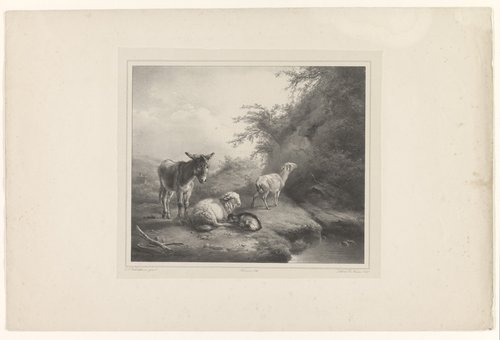
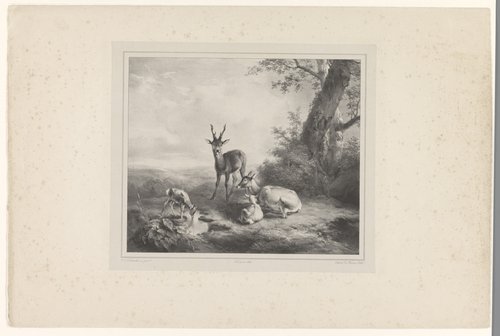
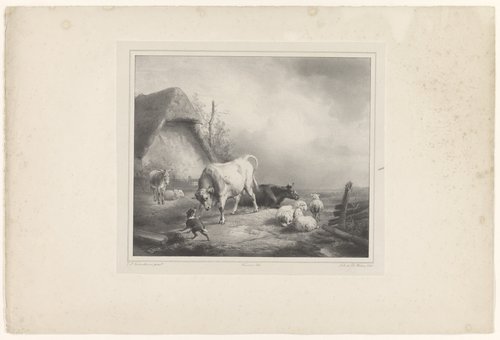
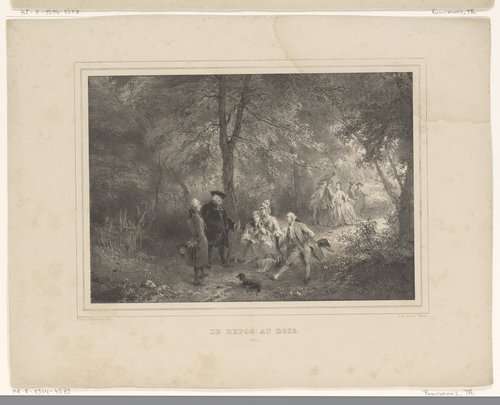
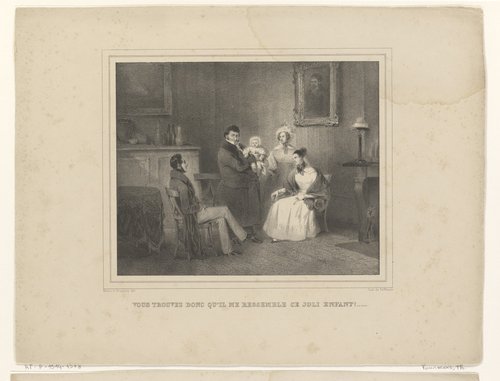
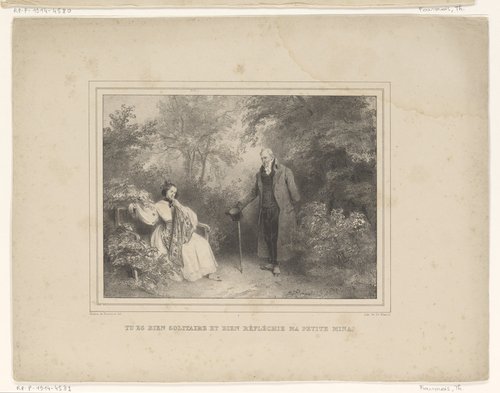
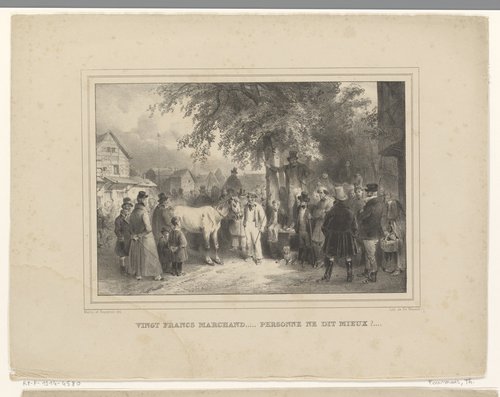
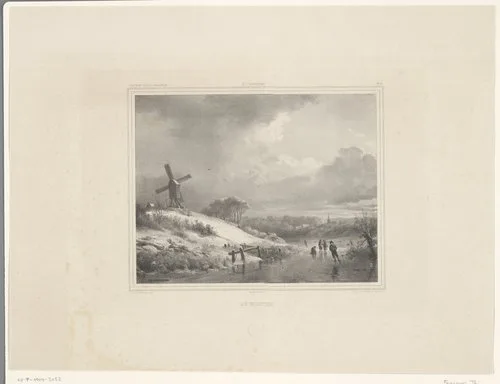
Théodore Fourmois (1814–1871) was a pioneering Belgian landscape painter and printmaker who played a crucial role in liberating Belgian art from academic conventions and establishing a distinctly Belgian tradition of plein air landscape painting. Born in Presles in 1814 and dying in Ixelles in 1871, Fourmois bridged the Romantic and Realist movements in Belgian art, combining emotional responsiveness to nature with direct observation and faithful rendering of natural effects. As the dean of the Tervuren school and a founder of Belgian plein-airism and early Impressionism, he influenced an entire generation of landscape painters who would establish Belgium's international reputation in this genre during the later nineteenth century.
Théodore Fourmois was born on October 14, 1814, in Presles, Belgium. His initial artistic education began in the lithographic workshop of Antoine Dewasme-Pletinckx in Brussels, where he learned drawing and the technical aspects of printmaking. This training in lithography, a relatively new printing technique invented in the late eighteenth century, provided Fourmois with both technical skills and an understanding of how to translate observations of nature into reproducible images.
The workshop training was typical for young artists from modest backgrounds who could not afford the fees of formal academies. While it emphasized practical, commercial skills rather than fine art, it nonetheless provided solid grounding in draftsmanship and compositional principles. More importantly, it introduced Fourmois to the collaborative, workshop-based approach to art production that characterized much nineteenth-century printmaking.
By 1836, Fourmois felt confident enough in his abilities to exhibit his works publicly in Brussels. These early exhibitions marked his transition from student and apprentice to independent artist. The works he showed demonstrated competent technique and suggested the landscape specialization that would define his career, though they likely still reflected the conventional approaches to landscape painting that dominated Belgian art in this period.
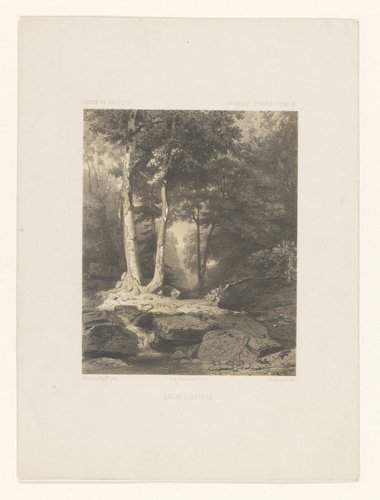
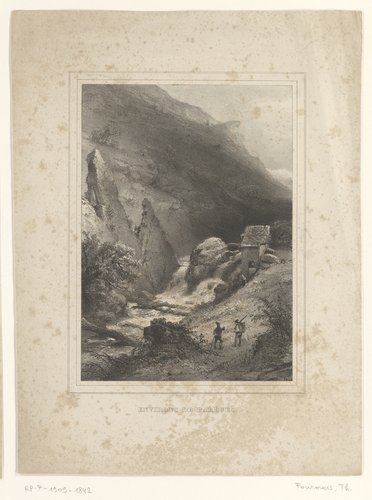
Following his debut exhibitions, Fourmois embarked on extensive travels that would profoundly influence his artistic development. He explored the Belgian regions of the Ardennes and Campine, areas of natural beauty that had not yet been extensively depicted in Belgian art. The Ardennes, with its densely forested hills and river valleys, and Campine, with its heath lands and expansive skies, offered dramatically different landscape types that challenged Fourmois to develop varied approaches to composition, light, and atmosphere.
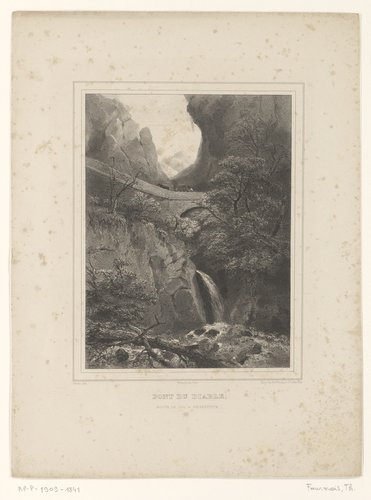
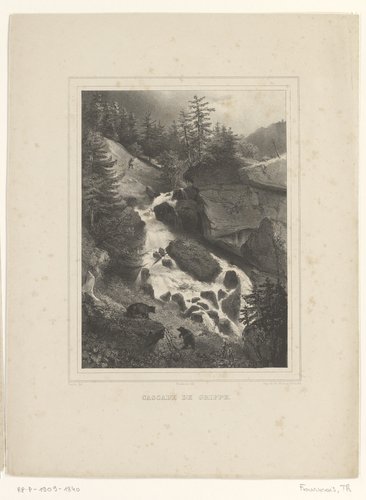
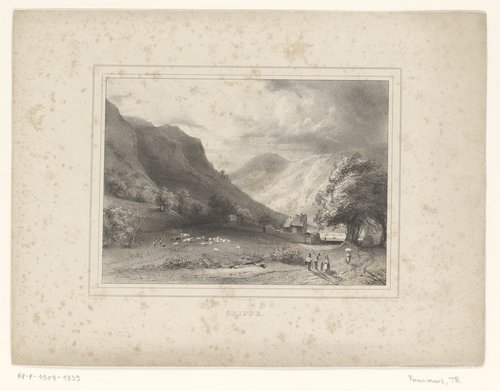
More significant were his travels to Dauphiné and Switzerland, mountainous regions that had attracted Romantic landscape painters since the late eighteenth century. These travels exposed Fourmois to sublime Alpine scenery and to the work of other landscape painters who were beginning to challenge academic conventions by working directly from nature. The panoramic views and dramatic atmospheric effects of mountain landscapes influenced his compositional strategies and his understanding of how to convey scale, distance, and atmospheric perspective.
During these years, Fourmois developed his characteristic approach to landscape painting. Unlike academic landscape painters who composed idealized scenes in the studio from sketches and memory, Fourmois increasingly committed to working directly from nature, or at least basing his finished works closely on plein air studies. This commitment to direct observation and faithful rendering of natural effects aligned him with broader European trends toward naturalism and realism in landscape painting.
Fourmois's growing reputation led to significant recognition: he participated in the Exposition Universelle in Paris in both 1855 and 1867, the major international exhibitions that showcased contemporary art and industry. These exhibitions brought Fourmois's work to international attention and placed Belgian landscape painting within the broader context of European artistic developments. His participation demonstrated that Belgian artists could compete on equal terms with French, German, and British landscape painters.
Perhaps more significant than these international exhibitions was Fourmois's role in establishing the Tervuren school, a group of Belgian landscape painters who worked in and around the Forest of Soignes near Tervuren, just outside Brussels. Fourmois served as the dean of this informal school, which has been characterized as one of the great founders of plein-airism and native Belgian Impressionism. The Tervuren school painters shared a commitment to working directly from nature, to capturing the specific atmospheric and light conditions of the Belgian landscape, and to depicting rural subjects with sympathetic attention.
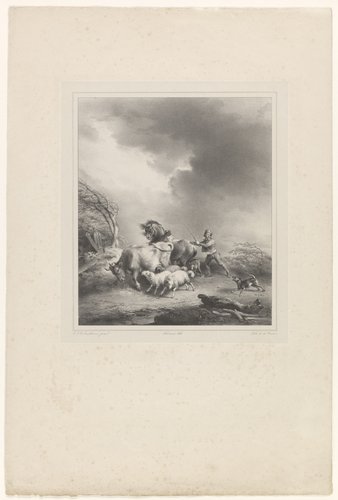
Fourmois's aim was to fully integrate human and animal figures into the landscape, treating them not as mere staffage (decorative elements) but as organic components of natural scenes. He attached great importance to painting in and on the basis of nature, working outdoors to capture direct impressions of light, weather, and seasonal effects. This approach anticipated and contributed to the development of Impressionism, though Fourmois remained fundamentally a Romantic painter in his emotional responsiveness to nature and his concern with conveying mood and atmosphere.
His opposition to academic landscape painting made him a crucial transitional figure in Belgian art. Academic conventions dictated that landscapes should follow classical compositional formulas, with idealized nature arranged according to rules derived from seventeenth-century French landscape painting. Fourmois rejected these conventions in favor of direct observation and individual response to nature. This progressive stance influenced younger Belgian painters who would develop Belgium's distinctive contribution to late nineteenth-century landscape painting.
Théodore Fourmois died in October 1871 in Ixelles, a municipality of Brussels. Though his career was cut short at age fifty-seven, he had established the foundations for Belgian landscape painting's flowering in the later nineteenth century. Many of his works are held in the Royal Museums of Fine Arts of Belgium, testament to his importance in Belgian art history.
Artheon Research Team
Last updated: 2025-11-09
Biography length: ~843 words
Wikidata (CC0); Getty ULAN (ODC-By)