Ctrl K
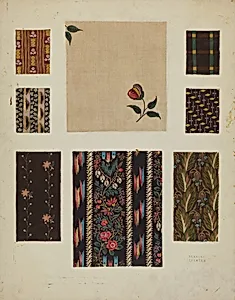
1855
Frances Lichten was born in Bellefonte, Pennsylvania, in 1889. At fourteen she enrolled in the Pennsylvania Museum School of Industrial Art, where she studied design and interior decoration, while also pursuing landscape painting at the Pennsylvania Academy of Fine Arts. After graduating she worked as a commercial artist for nearly a decade, building the technical foundation that would later serve her in documentary and scholarly work.
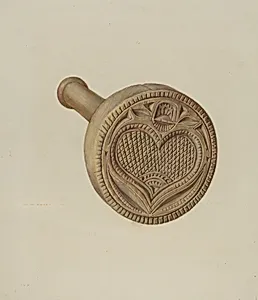
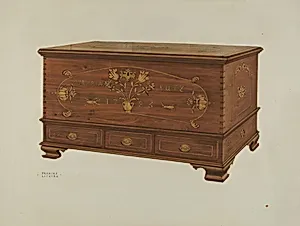
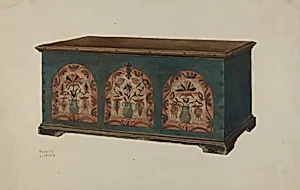
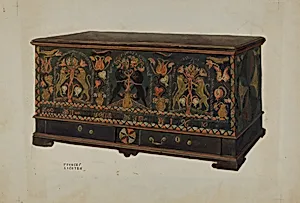
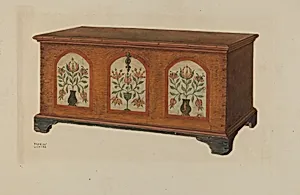
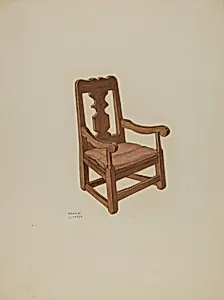
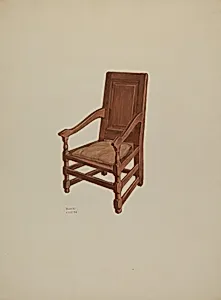
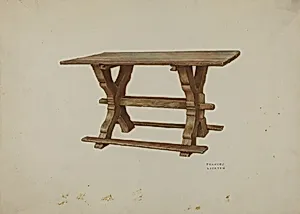
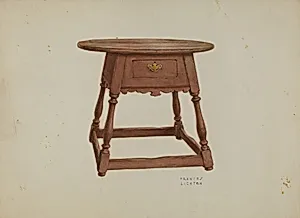
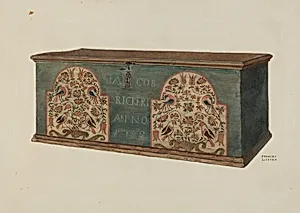
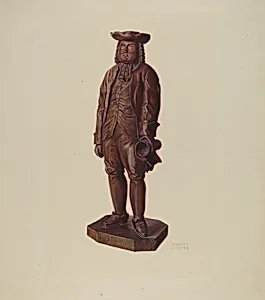
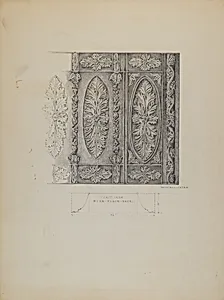
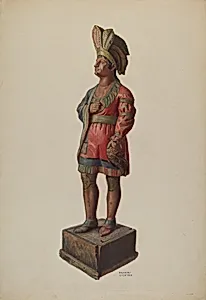
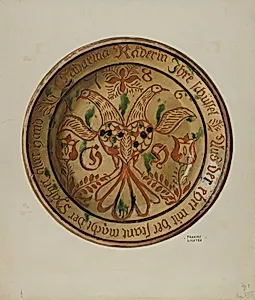
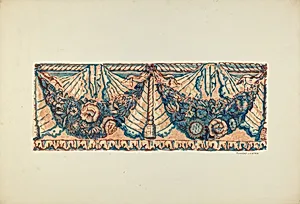
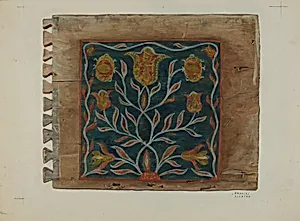
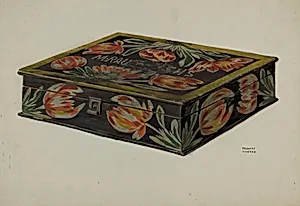
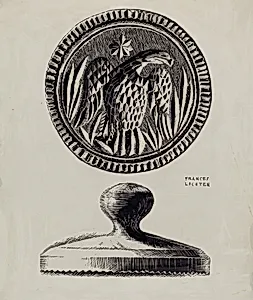
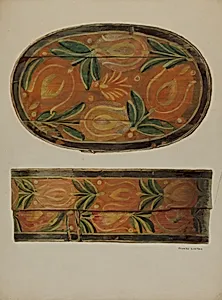
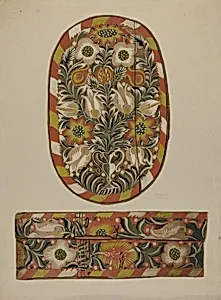
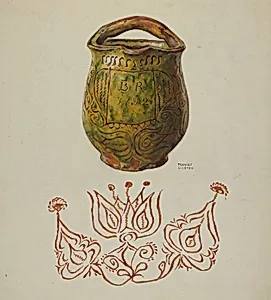
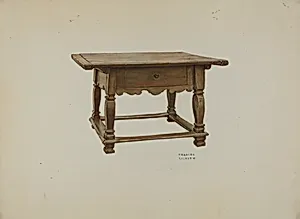
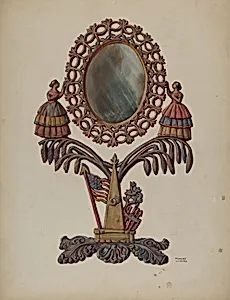
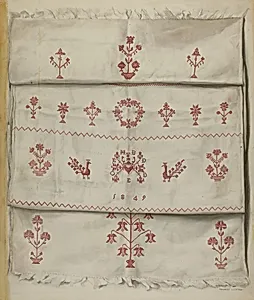
In 1936 she was appointed State Supervisor for Pennsylvania's contribution to the Index of American Design, the Works Progress Administration program that sent artists across the country to document American folk and decorative arts. In that capacity Lichten oversaw and contributed hundreds of meticulous sketches and drawings recording the folk art traditions of the Pennsylvania German community—fraktur lettering, decorated furniture, textiles, pottery, and ironwork. The project gave her an encyclopedic first-hand knowledge of a vernacular tradition that had received little sustained scholarly attention, and it shaped the rest of her career.
Lichten translated that fieldwork into a succession of authoritative books. The Folk Arts of Rural Pennsylvania earned her the National Art Club award in 1946. She followed it with Folk Art Motifs of Pennsylvania and Pennsylvania German Chests, both of which drew directly on the illustrations she had produced during her Index years. In 1950 she extended her range with Decorative Art of Victoria's Era, demonstrating a facility for synthesizing visual and historical evidence across periods. From 1955 until her death she served as a Research Associate in the Decorative Arts department of the Philadelphia Museum of Art, while simultaneously working as archivist at the Pennsylvania Academy of Fine Arts and consulting on Pennsylvania folk art for Colonial Williamsburg and Historic Bethlehem, Inc.
Lichten died in 1961. Her research collection is preserved at the Philadelphia Museum of Art Archives, and a further collection is held at the University of Minnesota. She remains one of the foundational figures in the scholarly study of Pennsylvania German material culture, and her illustrated books continue to serve as primary references in the field.