Ctrl K
1565–1624
Francesco Villamena (ca. 1565–1624), born in Assisi, emerged as one of the foremost Italian engravers of the late Mannerist era, renowned for his reproductive prints that disseminated the masterpieces of High Renaissance artists across Europe. He studied under the Dutch engraver Cornelis Cort in Rome, where he arrived during the papacy of Sixtus V (1585–1590), honing his technique by copying Cort's works and aligning early on with Agostino Carracci. Villamena also served as a drawing teacher, art collector, and dealer in antiquities, amassing a notable collection of paintings, sculptures, drawings, and prints. His multifaceted career reflected the vibrant print culture of Counter-Reformation Rome, where he became a member of the Accademia di San Luca in 1604.
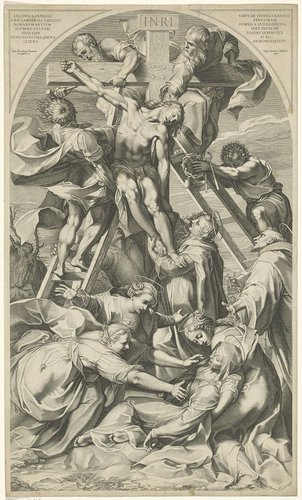
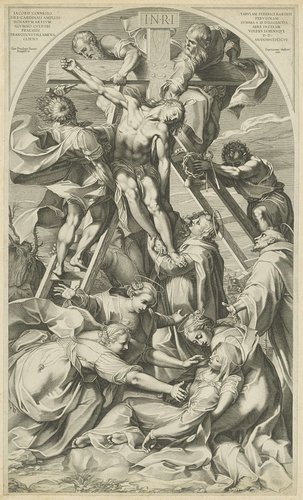
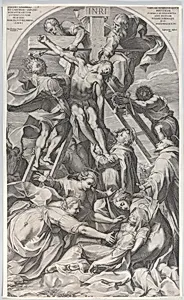
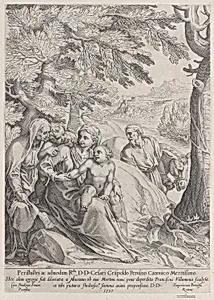
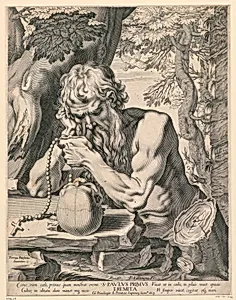
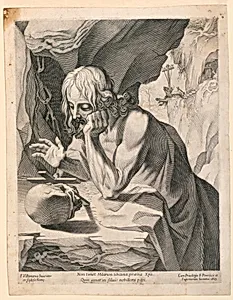
Villamena's style was elegant and expressive, characterized by calligraphic linework, impeccable burin control, and a picturesque quality that echoed northern late Mannerists like Hendrick Goltzius. He produced few wholly original compositions but excelled in translating the designs of masters such as Raphael, Federico Barocci, Paolo Veronese, Girolamo Muziano, and Antonio Tempesta into engravings of remarkable fidelity. In 1596, Pope Clement VIII commissioned him for religious subjects, granting a 10-year papal privilege for his prints that same year; his earliest dated works appeared in 1591 for a funeral publication honoring Sixtus V.
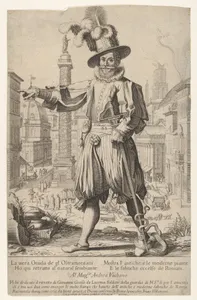
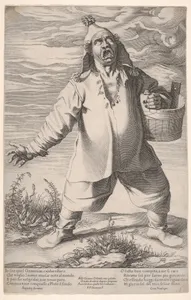
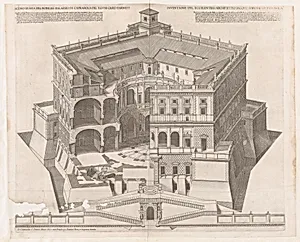
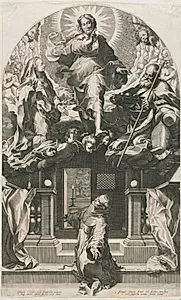
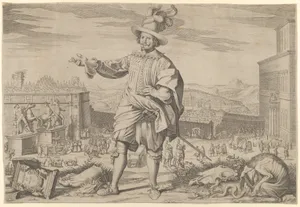
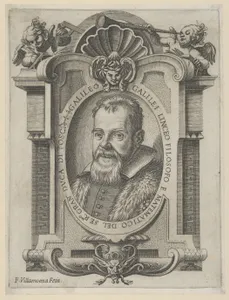
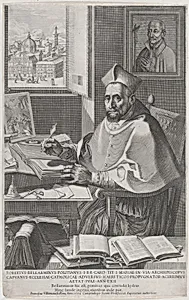
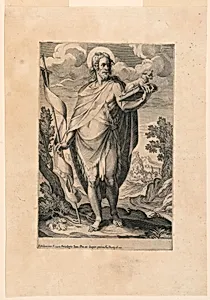
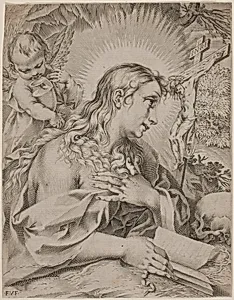
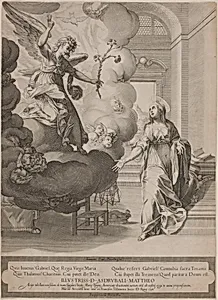
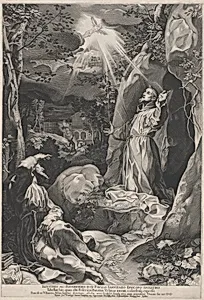
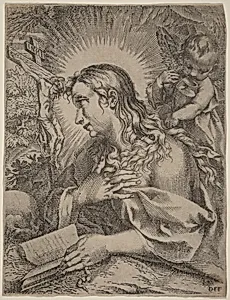
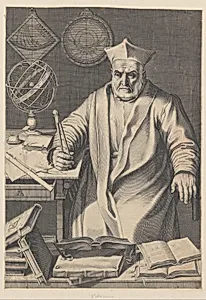
Among his standout achievements are the 1594 series illustrating scenes from the Life of St. Francis, including *Saint Francis Receiving the Stigmata* (1597), and reproductive engravings after Raphael's Vatican Logge frescoes, published posthumously as *La Sacra Genesi figurata da Rafaele d'Urbino* (ca. 1593–1621). His genre series *Cries of Rome* captured everyday Roman life with vivid detail, as in *The Gardener* (ca. 1600), *The Blind Man Selling Ointment for Corns* (1597), and *The Brawl of Bruttobuono* (1601). Other notable plates include *The Annunciation* (1598), *The Penitent Magdalene* (early 17th century), and portraits like Galileo Galilei, alongside book illustrations for Vignola's architectural treatise (1617).
Villamena's oeuvre exceeds 100 plates, many retouched or published posthumously, cementing his legacy as a pivotal figure in Roman printmaking. His innovative approach influenced French engravers Jacques Callot and Claude Mellan, ensuring the widespread appreciation of Italian art through affordable, high-quality reproductions until his death in Rome on July 7, 1624.