Ctrl K
1855
**Francis Law Durand (1906–1995)**
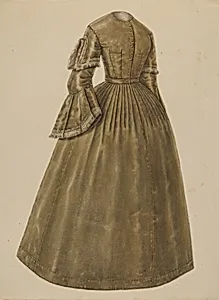
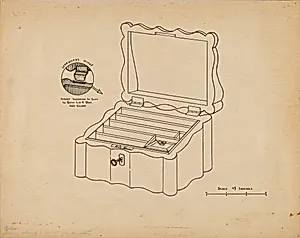
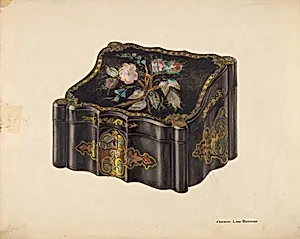
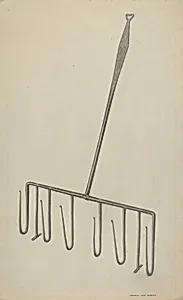
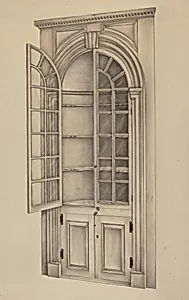
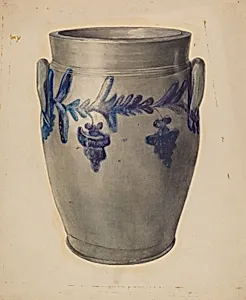
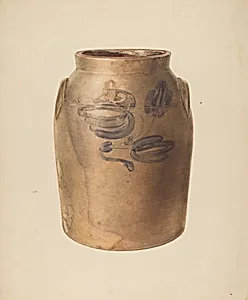
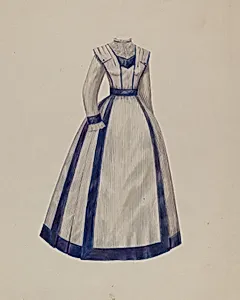
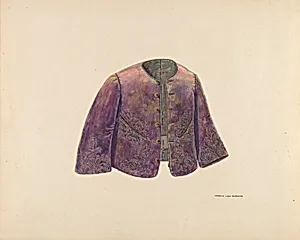
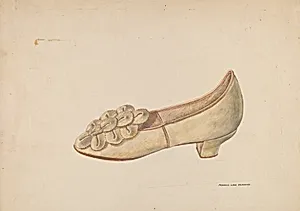
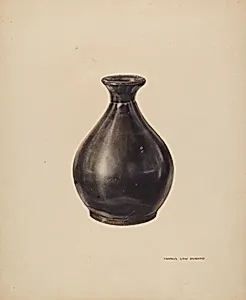
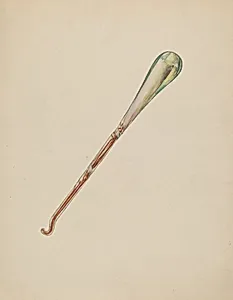
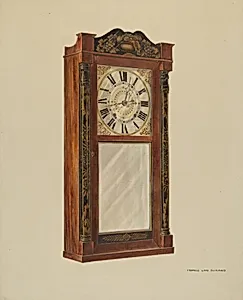
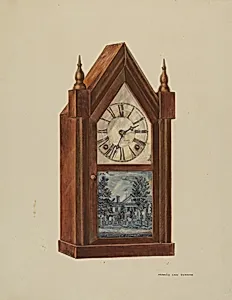
Born on March 31, 1906, in Mount Holly, New Jersey, Francis Law Durand emerged as a skilled American draftsman and artist during the Great Depression era. Little is known about his early life or formal training, as biographical details remain sparsely documented beyond his professional output. By 1935, he was employed by the Works Progress Administration (WPA), contributing to the Federal Art Project's ambitious Index of American Design—a nationwide initiative to catalog and visually record the nation's folk art, crafts, and everyday objects through precise technical renderings. This project showcased Durand's meticulous draftsmanship, aligning him with a cohort of artists dedicated to preserving American material culture.
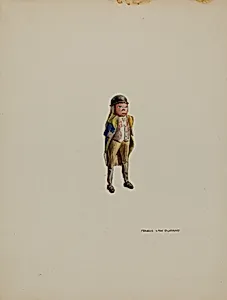
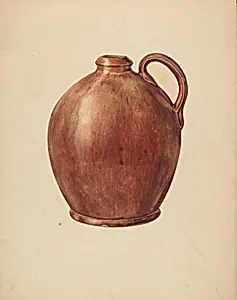
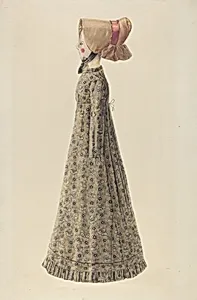
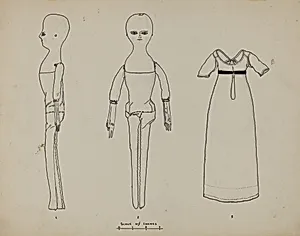
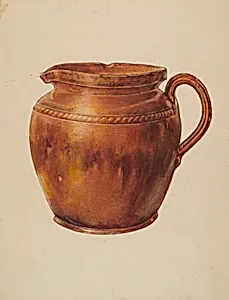
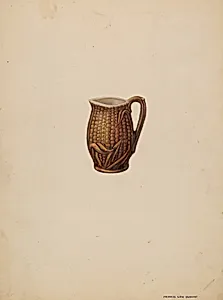
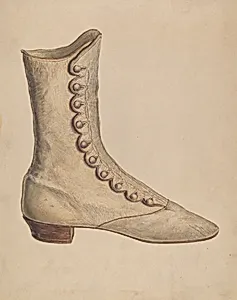
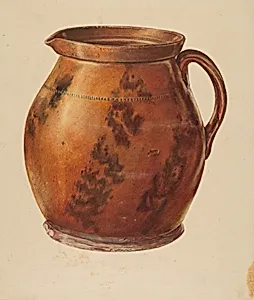
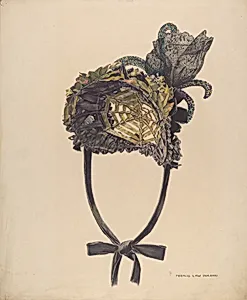
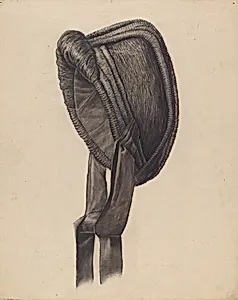
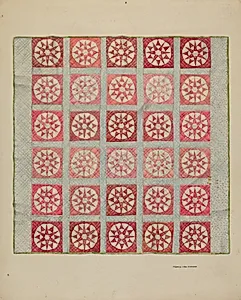
Durand's artistic style was characterized by hyper-realistic watercolor, graphite, colored pencil, and pen-and-ink illustrations on paperboard, capturing the textures, forms, and historical nuances of vernacular artifacts with scientific accuracy. Working primarily in the late 1930s and early 1940s, he eschewed personal expression for objective documentation, rendering subjects from Shaker furniture to colonial toys in a tradition akin to the WPA's design index efforts. His drawings emphasize functionality and craftsmanship, highlighting the democratic ingenuity of American handmade goods—from earthenware to textiles—without romanticization.
Among his most notable works are *Doll* (c. 1942, watercolor, graphite, and pen and ink), *Pitcher* (c. 1937, watercolor and graphite), *Chair* (c. 1937, watercolor, colored pencil, graphite, and pen and ink), *Game Box (For Poker Chips)* (c. 1939), and *Vinegar Jug* (c. 1939), all preserved in the National Gallery of Art's collection of 127 pieces from the Index. These renderings not only served as archival records but also appeared in exhibitions, such as the Museum of Modern Art's *New Horizons in American Art* (1940), bridging folk traditions with modern appreciation.
Durand's legacy endures through his pivotal role in the Index of American Design, which informed postwar scholarship on American aesthetics and vernacular art. His technically proficient illustrations continue to educate on the diversity of U.S. craft heritage, with works occasionally surfacing at auction and influencing studies of Depression-era federal art programs. Passing away on April 1, 1995, in Mount Holly, where he was buried, Durand remains a quiet architect of cultural preservation.