Ctrl K
1817–1888
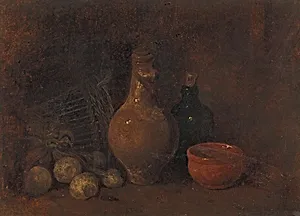
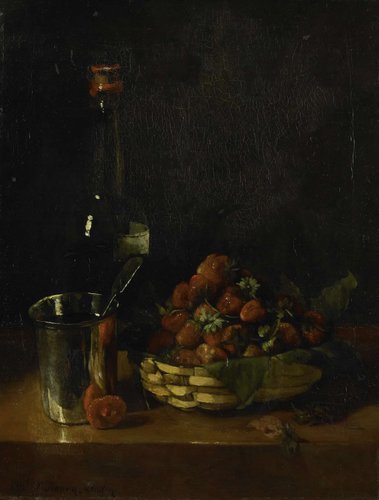
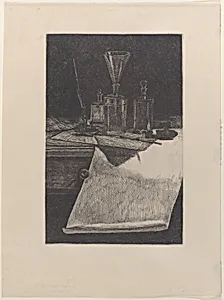
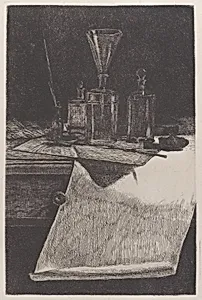
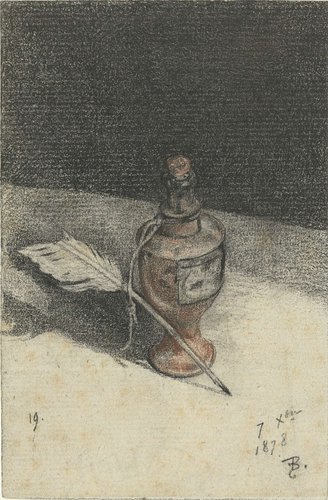
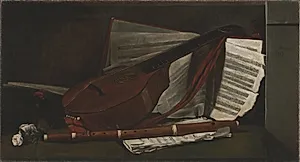
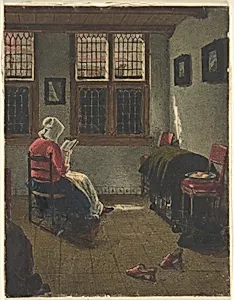
François Bonvin (1817–1887) was a French Realist painter whose quiet, meticulously observed canvases of domestic interiors and humble working-class subjects placed him among the most thoughtful and committed practitioners of the Realist movement in nineteenth-century France. Born in Vaugirard, on the outskirts of Paris, Bonvin came from modest origins and largely educated himself as an artist through tireless study at the Louvre, where he developed a profound admiration for the Dutch and Flemish masters — particularly Chardin, whose influence on Bonvin's approach to still life and interior genre scenes was decisive.
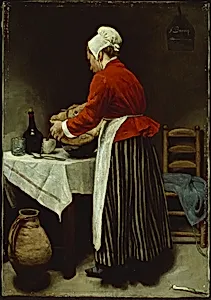
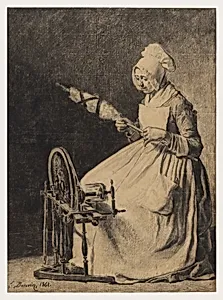
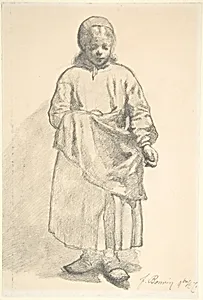
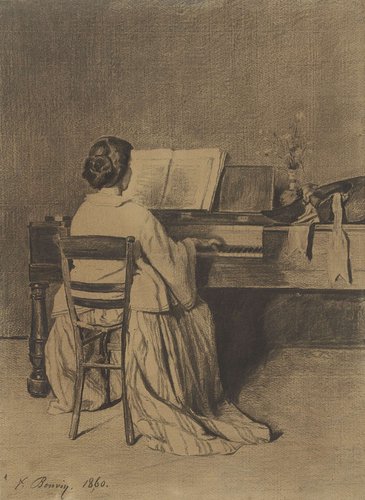
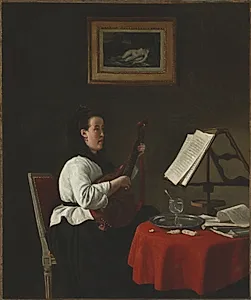
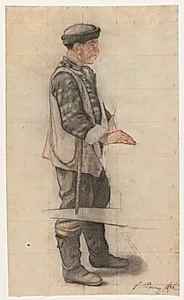
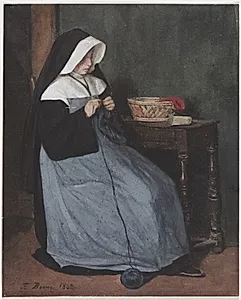
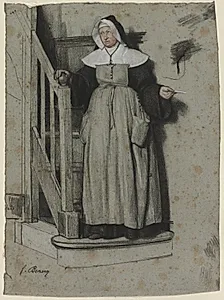
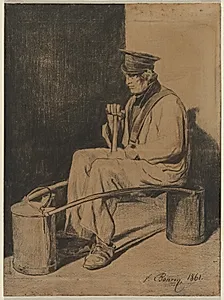
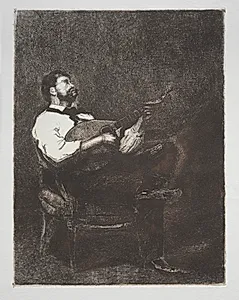
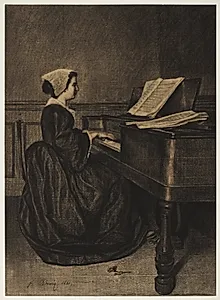
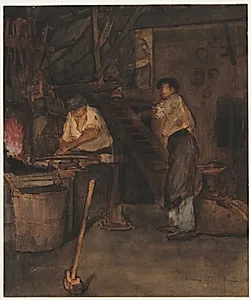
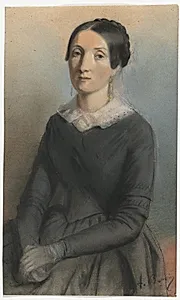
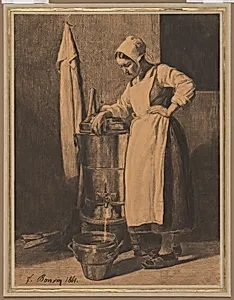
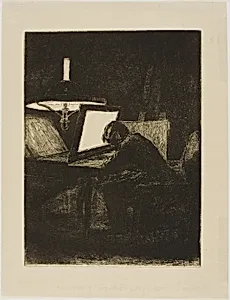
Bonvin's paintings are characterized by their subdued palette, careful handling of light, and an atmosphere of dignified quietude. He favored subjects drawn from everyday life — laundresses, kitchen maids, scholars in modest studies, and nuns engaged in charitable work — rendered with a sympathy and precision that avoided both sentimentality and social caricature. Works such as his depictions of women at domestic tasks exemplify his ability to elevate the ordinary into something genuinely moving.
Though he was never as celebrated as his contemporaries Gustave Courbet or Jean-François Millet, Bonvin was respected within Realist circles and played an important role as a patron and champion of younger artists. In 1859, he famously organized a private exhibition in his studio for artists, including Fantin-Latour, whose work had been rejected by the official Salon — an act of solidarity that illustrates his commitment to the broader Realist cause.
Bonvin's later years were marked by ill health and diminishing sight, which curtailed his output. Nevertheless, his best work endures as a testament to the power of attentive, compassionate observation — a vision of nineteenth-century French life rendered with the quiet authority of a true master of the intimate genre.