Ctrl K
1876–1941
Frank M. Keane was born on June 6, 1866, in San Francisco, California, where he received his artistic training at the School of Design. A longtime resident of the city at the turn of the century, he developed a versatile practice that included illustration work, such as designing bookmarks in an Arts and Crafts style for the prominent San Francisco publisher Paul Elder around 1905. His early output also encompassed drawings, including one published in *Sunset* magazine that same year.
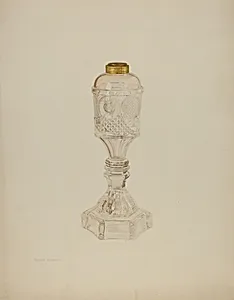
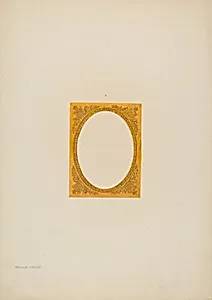
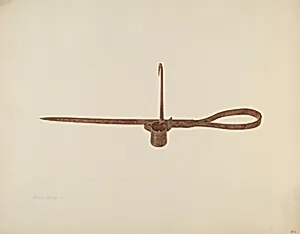
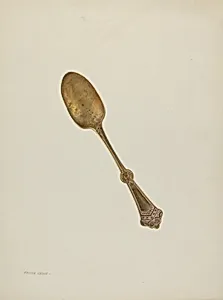
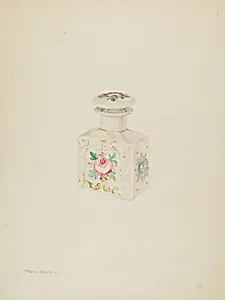
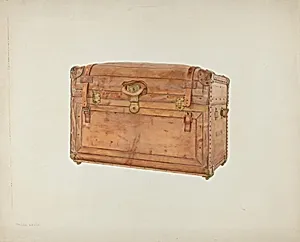
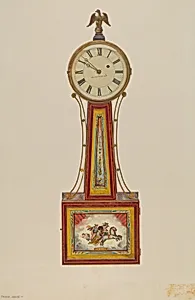
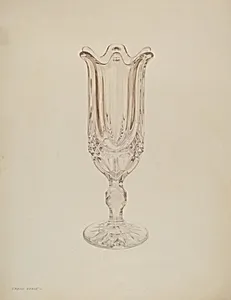
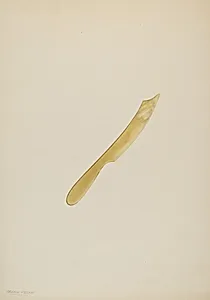
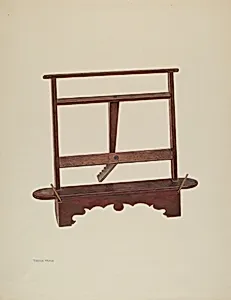
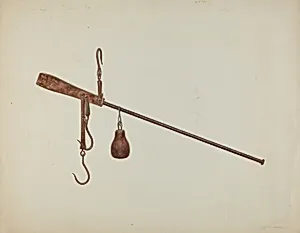
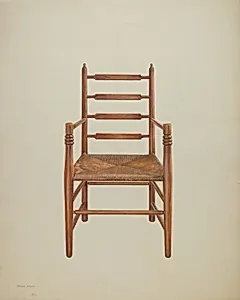
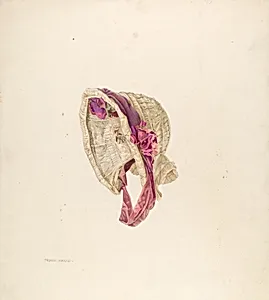
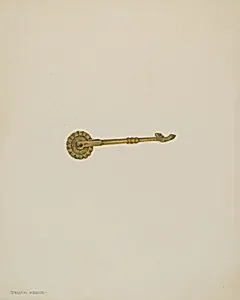
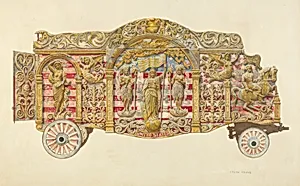
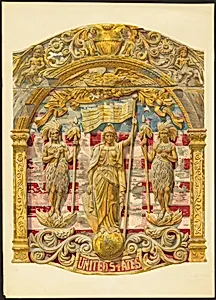
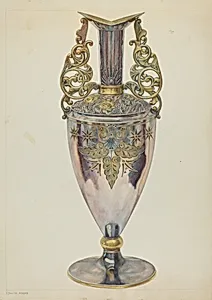
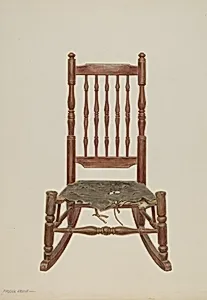
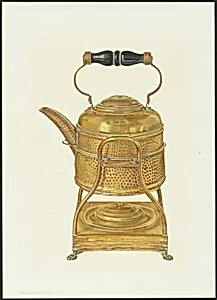
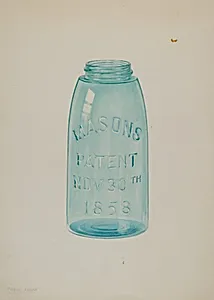
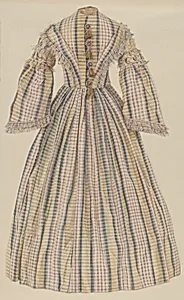
Keane’s career later encompassed both independent painting and large-scale documentary projects. He exhibited at the California State Fair in 1932, where he received a second prize, and examples of his work entered collections such as Steinway Hall in New York. In the late 1930s he became a significant contributor to the Index of American Design, the WPA Federal Art Project that created a comprehensive visual archive of American decorative arts, folk objects, and everyday artifacts. Working primarily in watercolor and graphite, he produced meticulously detailed renderings of items ranging from glass lamps, potpourri jars, and banjo clocks to furniture, circus-wagon panels, clothing, and household utensils. These precise, almost scientific illustrations captured the textures, colors, and construction of objects with remarkable fidelity.
By 1940 Keane had retired to Coral Gables, Florida. He died around 1941. His most enduring legacy is the substantial body of work he created for the Index of American Design, now housed at the National Gallery of Art. These watercolors remain an invaluable record of American material culture, preserving the appearance of objects that might otherwise have been lost and demonstrating the high level of craftsmanship that characterized New Deal-era documentary art. Through them, Keane’s careful observational skill continues to educate and delight viewers interested in the history of American design.