Ctrl K
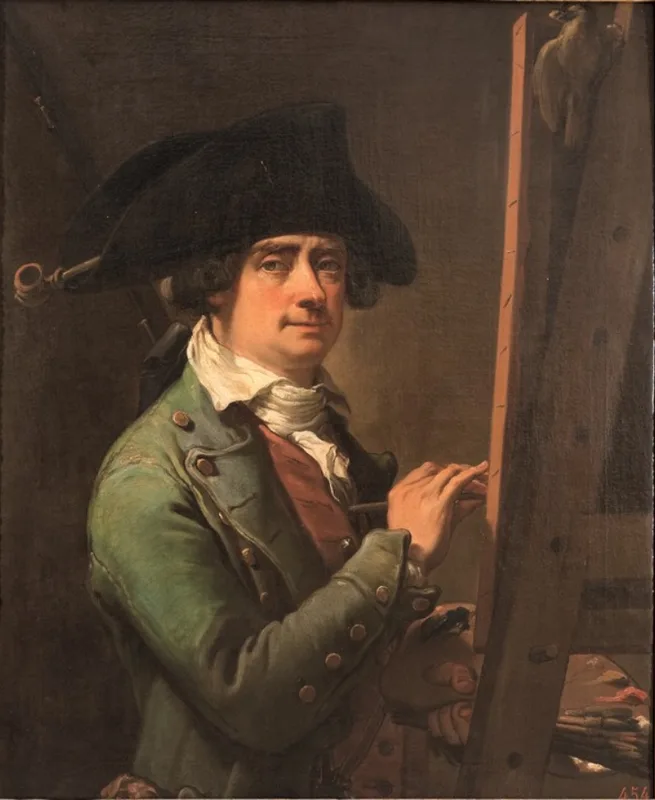
1734–1802
Gaetano Gandolfi (1734–1802) was an Italian painter and draughtsman who, together with his older brother Ubaldo Gandolfi, represented the finest flowering of the Bolognese school during the eighteenth century. Born in San Matteo della Decima, he trained in Bologna under Felice Torelli and Ercole Lelli before entering the Accademia Clementina, the leading artistic institution in the city, where he eventually achieved distinction as a professor. His formation was deeply rooted in the Bolognese tradition of Annibale Carracci and Guido Reni, but he filtered this inheritance through the lighter, more graceful sensibility of the Rococo.
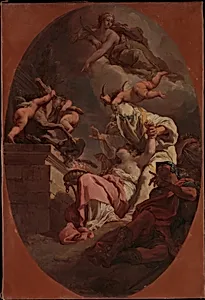
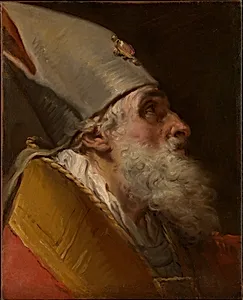
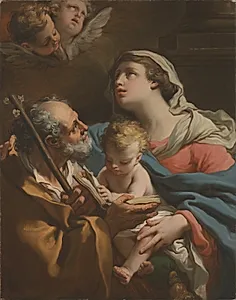
Gaetano's paintings are characterized by their luminous color, fluid composition, and an infectious delight in the human figure. He excelled at religious and mythological subjects rendered with an ease and elegance that made his work highly sought after by Bolognese and Venetian patrons. His mature style shows the influence of Giovanni Battista Tiepolo, whose buoyant illusionism and airy handling of light left a clear mark on Gandolfi's own approach to ceiling decoration and large-scale narrative painting. The two brothers often worked in close collaboration, and their respective contributions can be difficult to disentangle in certain decorative cycles.
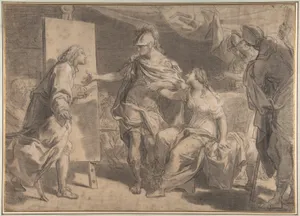
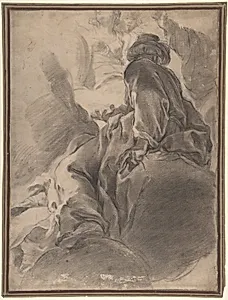
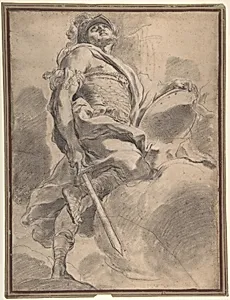
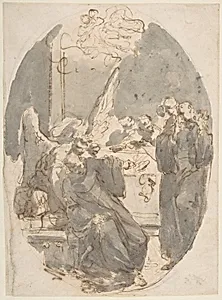
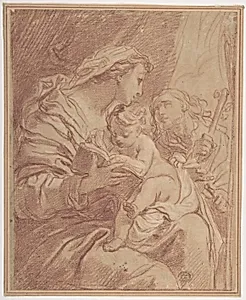
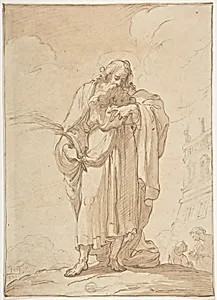
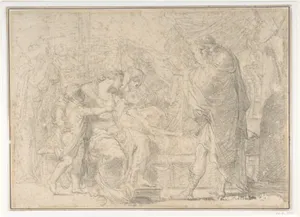
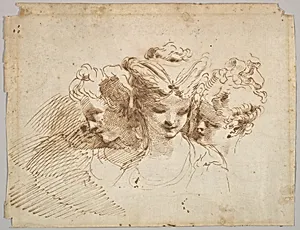
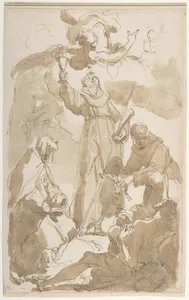
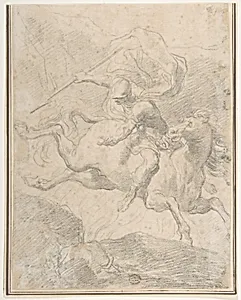
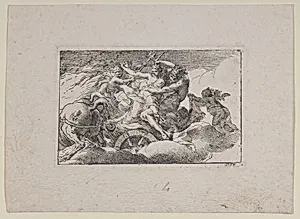
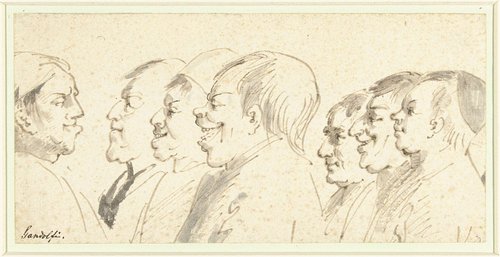
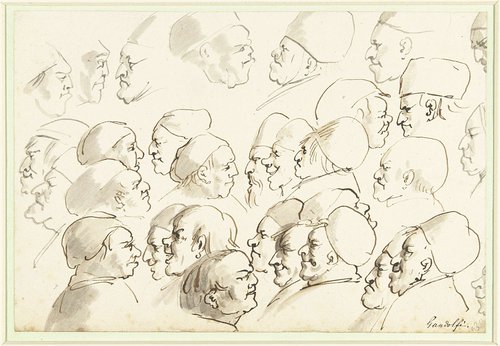
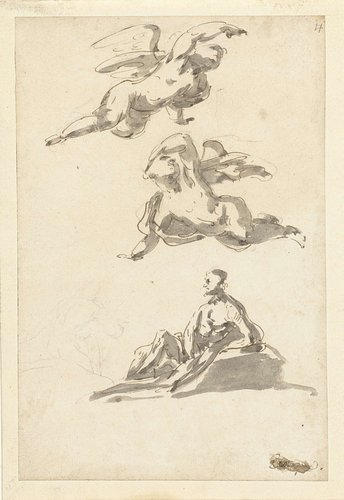
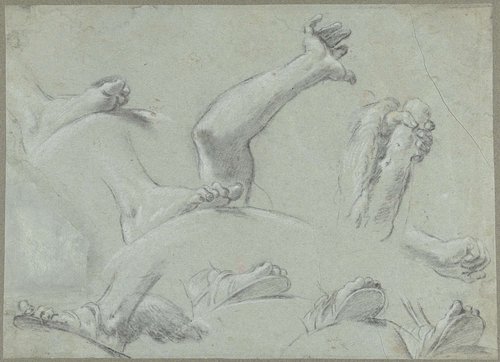
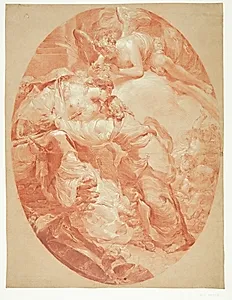
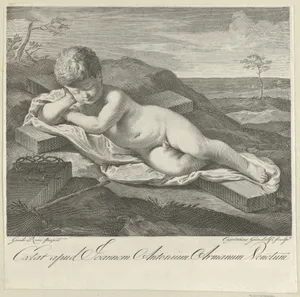
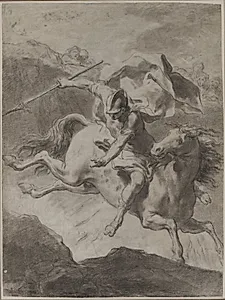
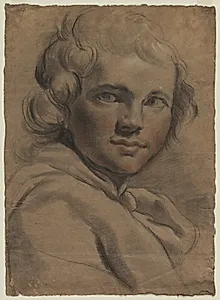
Gaetano was also a prolific and gifted draughtsman, and his drawings — ranging from rapid compositional sketches to finished studies in red chalk — reveal the vitality and inventiveness of his creative process. They have been collected and admired since the eighteenth century and constitute a significant part of his legacy. He also worked as a printmaker, producing etchings that display the same lightness of touch evident in his graphic work.
In the decades following his death, the Bolognese school fell somewhat out of critical fashion, but the twentieth century brought renewed appreciation for Gaetano Gandolfi's achievement. His work is now recognized as a distinguished late chapter in the long history of Bolognese painting, combining classical discipline with Rococo vivacity in a manner that is entirely his own.