Ctrl K
1855
Geoffrey Holt was born in England on August 18, 1882, and received his artistic training in London and Paris before eventually making his career in the United States. After arriving in America, he lived in Minneapolis, where he worked as an interior designer for the John S. Bradstreet Company—an experience that developed his sensitivity to space, surface, and decorative harmony. By around 1920 he had relocated to San Francisco, where he established a studio and became active in the local art community.
Holt worked primarily in oil and watercolor, painting realistic landscapes in the manner of the English School. His subjects ranged widely across the American West: forest interiors, California mission courtyards, coastal vistas, desert expanses, and the dramatic rock formations of the Grand Canyon. His brushwork was known for its quiet lyricism and serene atmospheric quality. Two California mission paintings dating to around 1910 entered the collection of the Society of California Pioneers, and a Grand Canyon landscape is held in the Santa Fe Railway Collection.
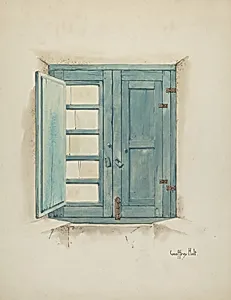
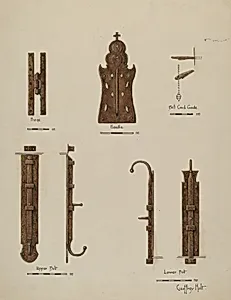
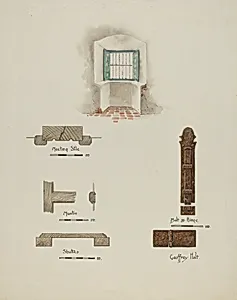
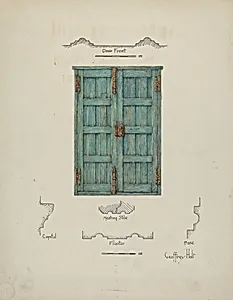
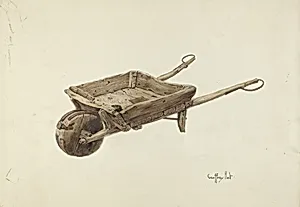
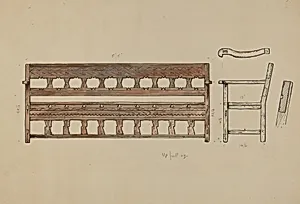
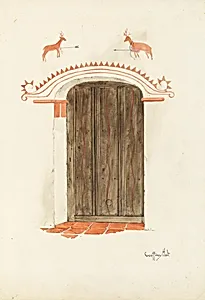
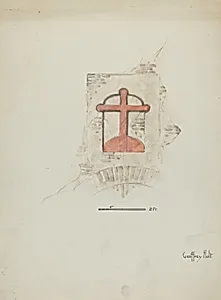
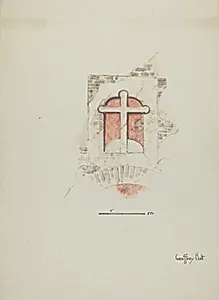
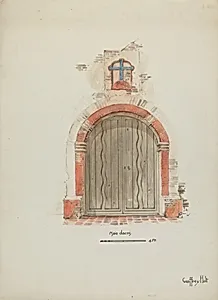
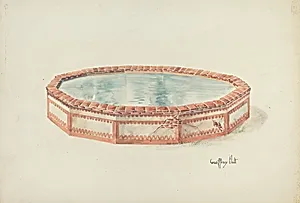
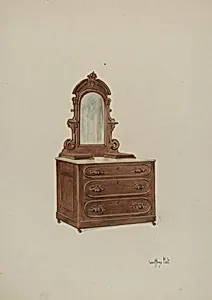
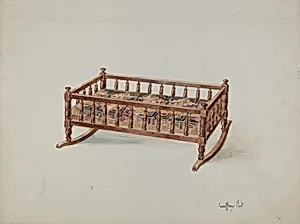
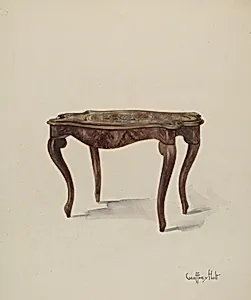
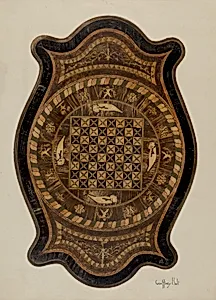
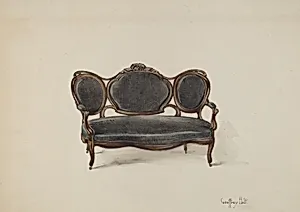
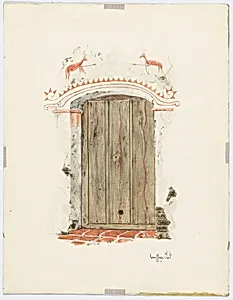
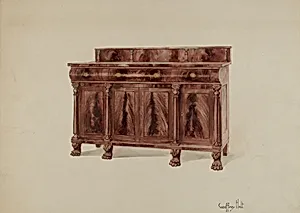
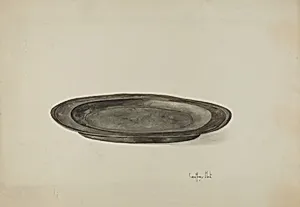
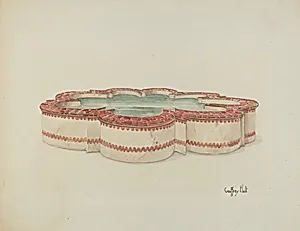
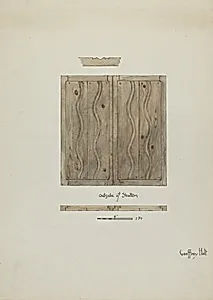
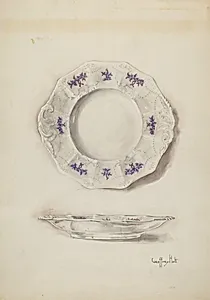
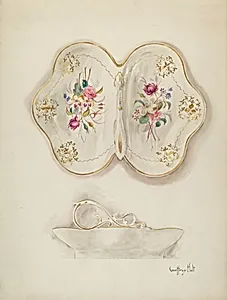
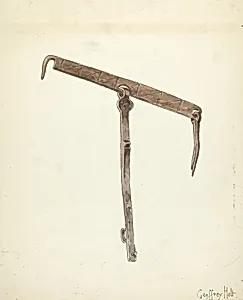
During the late 1930s and early 1940s Holt participated in the Index of American Design, the Works Progress Administration's ambitious national effort to document American decorative arts through watercolor rendering. His contributions to the project are now part of the permanent collection of the National Gallery of Art, Washington. He moved to Los Angeles around 1930 and settled permanently in Long Beach in 1947, continuing to paint throughout the following decades.
Holt died in Long Beach on December 21, 1977, at the age of ninety-five. His long career bridged the traditions of English landscape painting and the emerging California school, and his work preserves a contemplative vision of the American West that was already transforming rapidly during his lifetime. His paintings continue to appear in galleries and auction houses specializing in California art.