Ctrl K
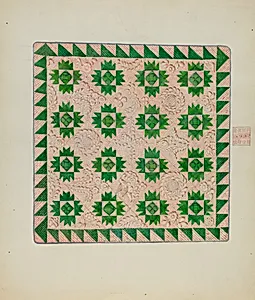
1855
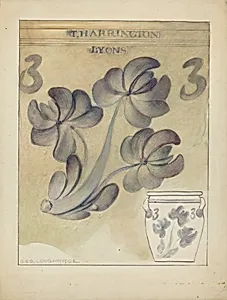
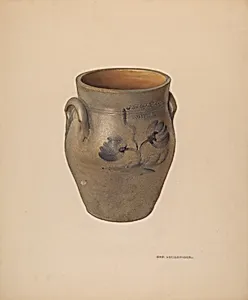
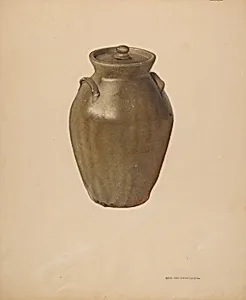
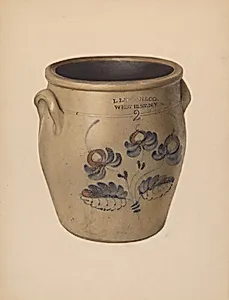
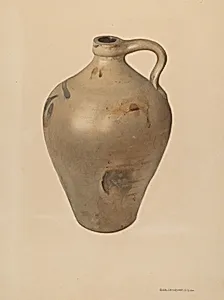
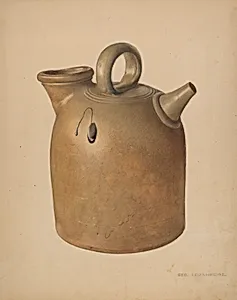
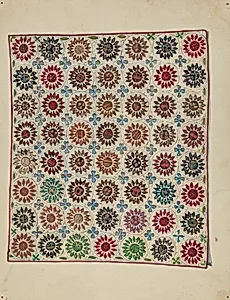
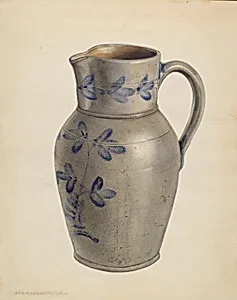
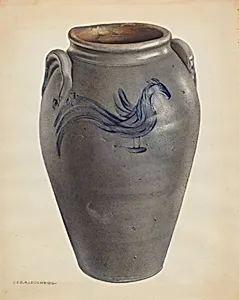
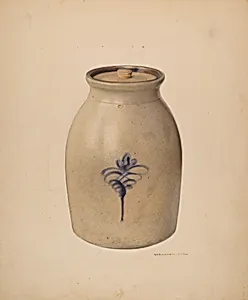
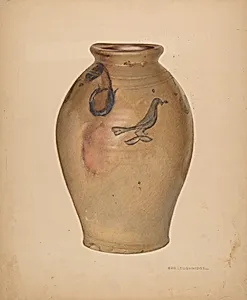
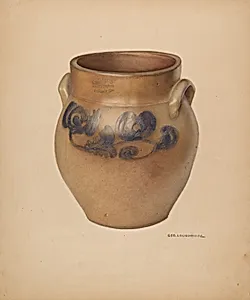
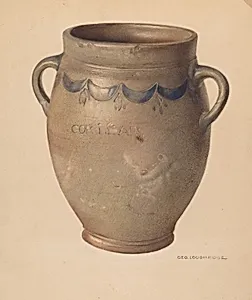
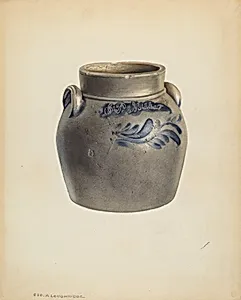
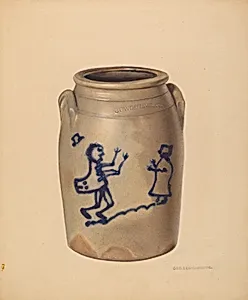
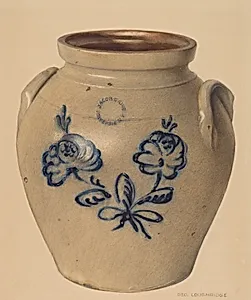
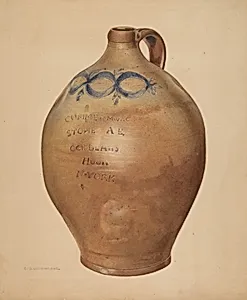
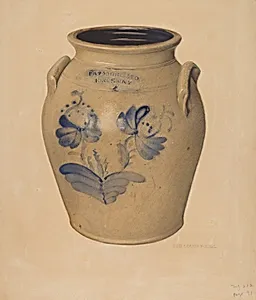
George Loughridge was an American artist active during the 1930s, best known for his contributions to the Index of American Design, a Federal Art Project under the Works Progress Administration (WPA). This ambitious New Deal initiative, running from 1935 to 1943, commissioned hundreds of artists across the United States to create meticulously detailed watercolor renderings of everyday American folk art objects, preserving a visual record of the nation's material culture amid the Great Depression. Loughridge's output focused heavily on utilitarian ceramics, capturing the rustic beauty of stoneware crocks, jugs, and pitchers with technical precision.
Little is known about Loughridge's early life or formal training, as biographical details remain sparsely documented. No records of specific teachers, art schools, or mentors have surfaced in art historical sources. His professional activity aligns closely with the WPA era, suggesting he may have honed his skills through practical engagement in federal projects rather than traditional academies. Working primarily in watercolor, graphite, gouache, and colored pencil on paperboard, Loughridge employed a hyper-realistic style that emphasized texture, form, and subtle color variations—qualities essential for accurate documentation. He occasionally collaborated, as seen in joint renderings like the *Crock* with Yolande Delasser (c. 1937–1938) and the *Jar* with Charles Caseau (c. 1937).
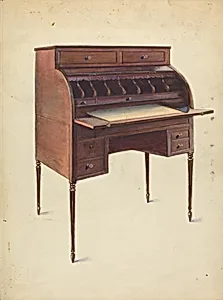
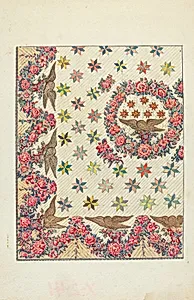
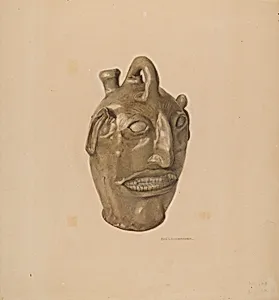
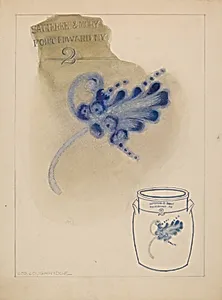
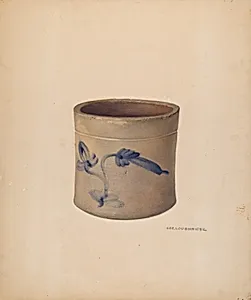
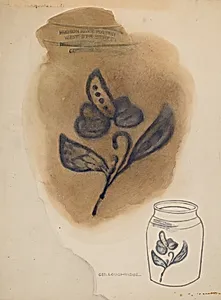
Among his major works in the National Gallery of Art's collection of 56 pieces are vivid depictions of pottery such as *Tan Stoneware Jug* (probably 1939), *Grotesque Jug* (c. 1938), *Water Jug* (c. 1938), and multiple *Crocks* (c. 1938–1939), alongside textiles like *Chintz* (c. 1936), *Carpet* (c. 1936), and furniture such as *Roll-Top Desk* (c. 1953) and *Piano* (1935/1942). These renderings not only showcase regional pottery traditions—often from New England or Midwestern potters—but also highlight functional designs like churns and covered jars.
Loughridge's legacy endures through his role in safeguarding ephemeral folk objects from oblivion, providing scholars and museums with enduring references for American design history. His precise illustrations, now digitized and widely reproduced, continue to inform studies of vernacular ceramics and crafts, bridging artistry with cultural preservation in the WPA tradition.