Ctrl K
1732–1799
**George Washington (1732–1799) was not an artist or painter.** The American figure of that name and lifespan is the first President of the United States and Revolutionary War commander, widely known as the “Father of His Country.” Extensive searches of art-historical sources, Wikipedia, museum collections, and biographical records yield no evidence that he produced paintings, drawings as fine art, or any body of work numbering 65 pieces held in a museum collection.
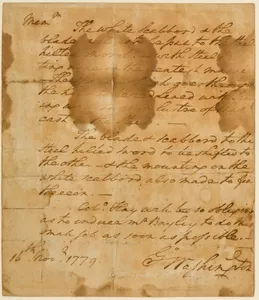
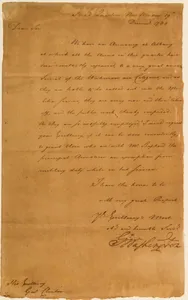
Washington did receive practical training in mathematics, land surveying, and drafting during his youth in Virginia. Contemporary accounts describe him as a skilled mapmaker and draftsman whose technical drawings supported his early career as a surveyor. These utilitarian skills, however, do not constitute artistic production in the sense of easel painting or studio practice, and no teachers, art schools, movements, or specific artworks are documented in connection with him.
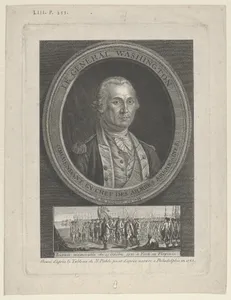
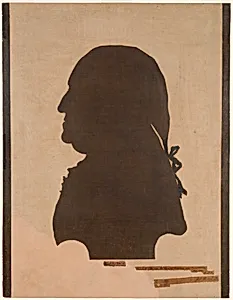
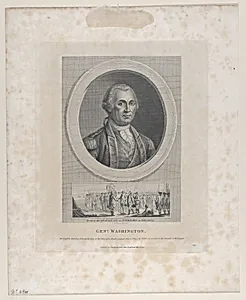
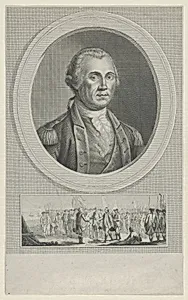
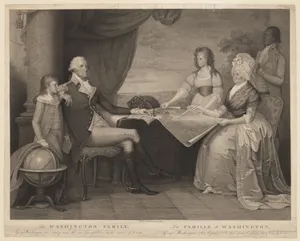
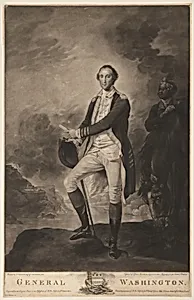
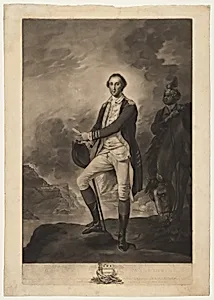
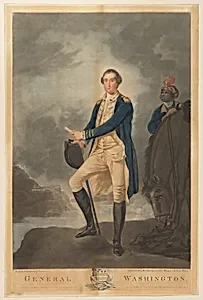
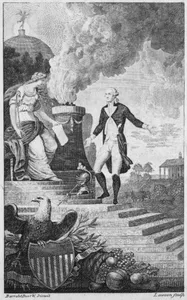
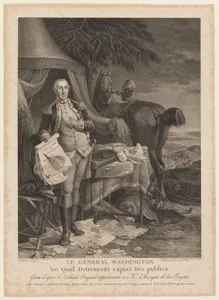
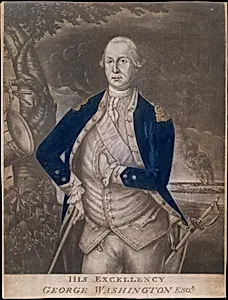
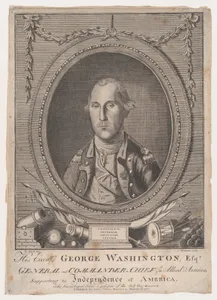
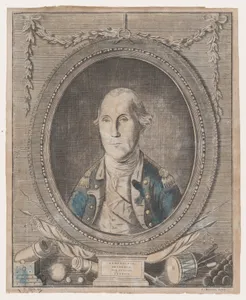
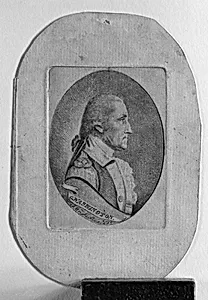
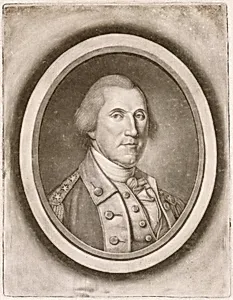
The 65 “known artworks” referenced in the query almost certainly refer to the many portraits of Washington painted by others—most famously Gilbert Stuart’s Athenaeum Portrait (1796) and Lansdowne Portrait (1796), Charles Willson Peale’s several life portraits from the 1770s–1780s, and works by Rembrandt Peale and others. These images, created from life or shortly after his death, form the core of his visual legacy and appear in major American museum holdings.
In short, any biography framing George Washington as a fine artist would contradict verified historical and art-historical records. His enduring presence in museum collections stems entirely from his role as subject, not creator, of American art.
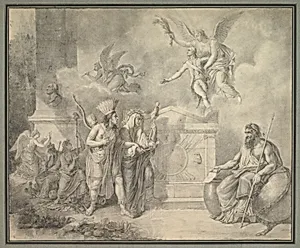
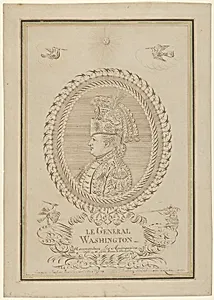
![Le Général Washington, Commendant en Chef des Armées Americaines, né en Virginie en 1733 (General Washington, Commander in Chief of the American Armies, born in Virginia in 1733 [sic])](https://images.artheonmuseum.org/met/dp/thumb/le-general-washington-commendant-en-chef-des-armees-americaines-ne-en-virginie-e-679177.webp)