Ctrl K
1652–1725
**Giovanni Battista Foggini** (1652–1725) was a leading Italian sculptor and architect of the late Baroque period, born in Florence within the Grand Duchy of Tuscany. He began his career under the patronage of the Medici family, who sponsored his artistic training. In 1673, at the age of 21, Cosimo III de' Medici sent the young Foggini to Rome to join the newly founded Accademia Fiorentina, where he apprenticed in the studio of Ercole Ferrata, a prominent pupil of Alessandro Algardi, and received drawing instruction from the academy's director, Ciro Ferri, himself a student of Pietro da Cortona. These mentors immersed him in the dynamic Roman Baroque tradition, blending dramatic movement and emotional depth. Foggini returned to Florence in 1676, swiftly rising to become the court's principal sculptor under Cosimo III.
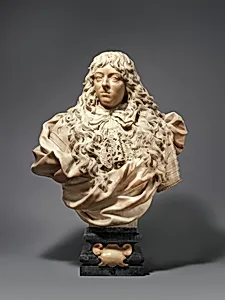
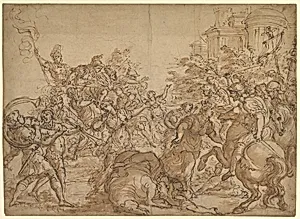
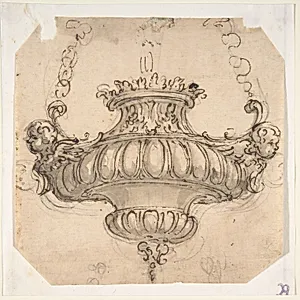
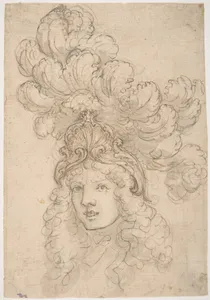
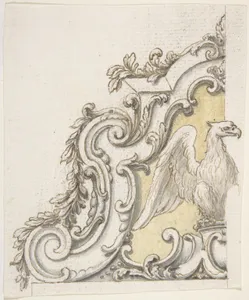
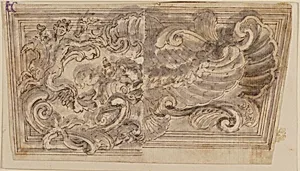
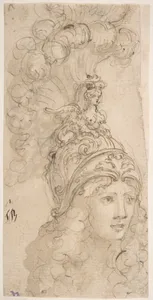
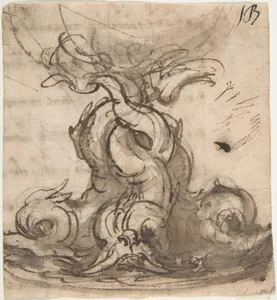
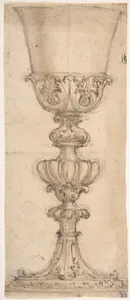
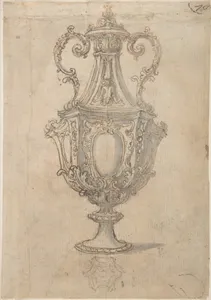
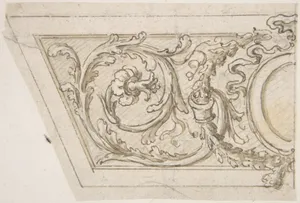
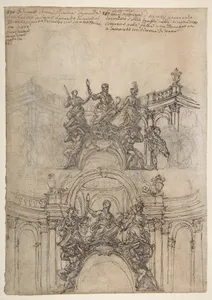
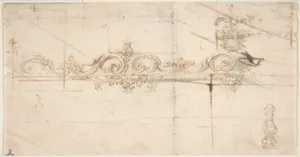
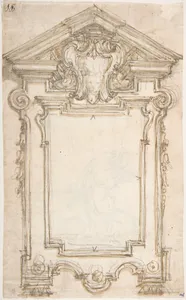
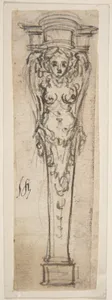
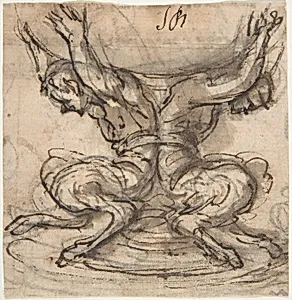
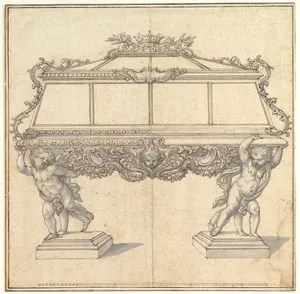
Upon his return, Foggini worked in the late Florentine Baroque style, renowned for its painterly qualities, frontality, emotional intensity, and textural contrasts—hallmarks he retained lifelong. Appointed Medici Architetto Primario, Primo Scultore della Casa Serenissima, and Soprintendente dei Lavori in 1687, he oversaw grand-ducal projects, acquired Giambologna's historic foundry in Borgo Pinti, and directed the Galleria's manufactories producing luxurious hardstone inlays and gilt bronzes for export. His oeuvre, exceeding 400 surviving designs, specialized in small-scale bronze statuettes like *David with the Head of Goliath* and *Red Marsyas* (Uffizi), alongside monumental marbles such as busts of Cosimo III de' Medici (1683, Metropolitan Museum of Art) and Grand Prince Ferdinando de' Medici (1683, Metropolitan Museum), Ferdinando II (1690, National Gallery of Art), and reliefs in Florence's Chiesa del Carmine Capella Corsini—including *San Andrea in Glory*, *The Mass of San Andrea Corsini*, and *The Battle of Anghiari* (1685–87).
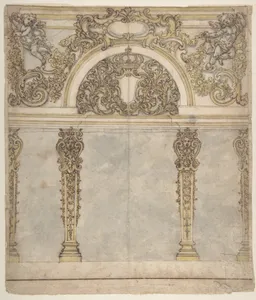
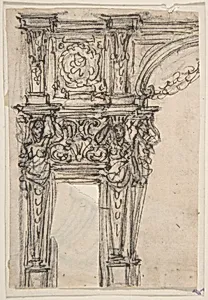
Foggini's versatility extended to architecture, with contributions to Palazzo Medici Riccardi's Galleria degli Specchi and courtyard, and bronze reliefs for the Basilica of Bom Jesus in Goa. His legacy endures as the foremost shaper of late-Medicean Florence's artistic identity, influencing pupils like nephew Filippo della Valle, Fernando Fuga, and Balthasar Permoser, whose works perpetuated his style into the mid-18th century. Father to Pier Francesco Foggini, he left an indelible mark on Baroque sculpture, blending Roman vigor with Tuscan refinement for collectors worldwide.