Ctrl K
1717–1784
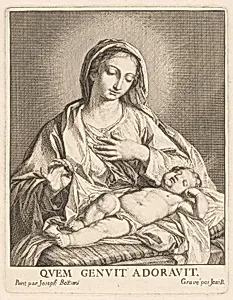
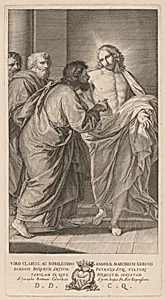
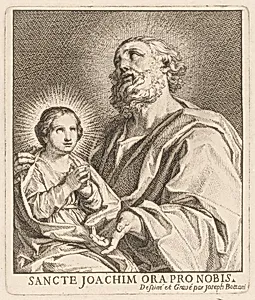
**Giuseppe Bottani** (1717–1784) was an Italian painter active during the late Baroque period, with works that bridged classical traditions and emerging Neoclassical tendencies. Born in Cremona, he spent his boyhood in Pontremoli before being sent to Florence for artistic training. There he studied under Vincenzo Meucci and Antonio Puglieschi. He later moved to Rome, where he worked under Agostino Masucci, deepening his understanding of antique models and the pictorial traditions of the sixteenth and seventeenth centuries.
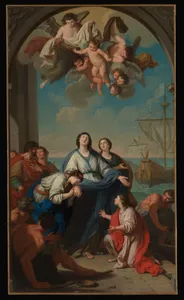
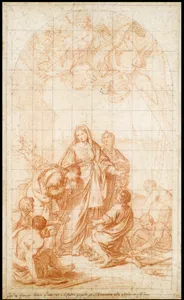
Bottani’s paintings reflect a classical Baroque style inspired by Guido Reni and especially Carlo Maratta, characterized by erudite compositions, precise drawing, and luminous, enamel-like colors. He excelled at landscapes in the manner of Gaspard Dughet (often called Gaspard Poussin) populated with figures rendered in Maratta’s graceful idiom. Among his notable religious works are the large altarpiece *St. Paola Taking Leave of Her Attendants* (1745, now in the Pinacoteca di Brera, Milan), the *Assumption of the Virgin* for Pontremoli Cathedral, and several other altarpieces for churches in Pontremoli and Altopascio, including scenes of the Assumption and the *Transit of St. Francis Xavier*. He also produced genre scenes such as the signed and dated *Fair at Maccarese* (1755).
In 1769 Bottani was appointed professor of painting and director of the newly founded Academy of Fine Arts in Mantua by Maria Theresa of Austria. In this influential role he helped foster a classical trend in local painting while continuing to produce altarpieces and secular works for Mantuan churches and institutions, including *St. Vincent Ferrer Preaching* and the *Holy Family with SS Joseph, Zeno and Stephen* (1779). He trained his brother Giovanni Bottani and the Brescian painter Domenico Vantini. Bottani died in Mantua in 1784, leaving a legacy of refined academic classicism that bridged Baroque elegance and the measured restraint of early Neoclassicism.