Ctrl K
1855
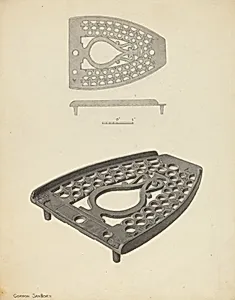
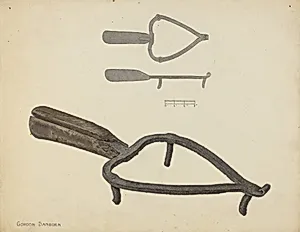
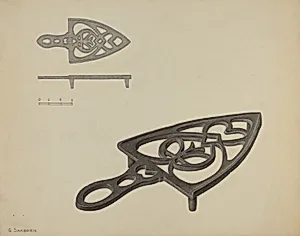
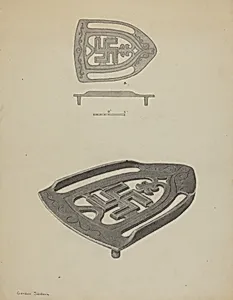
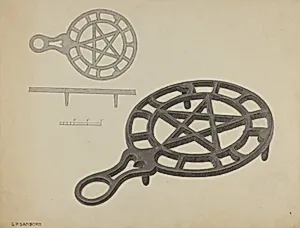
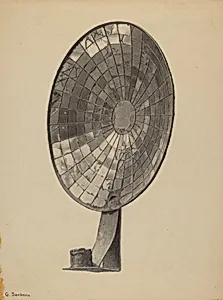
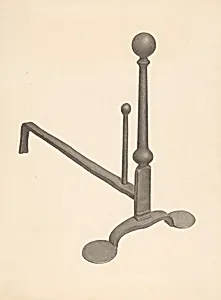
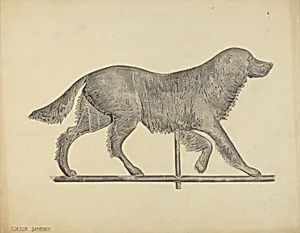
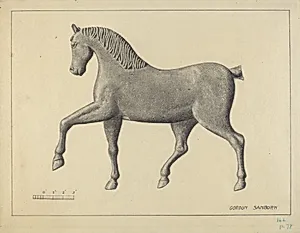
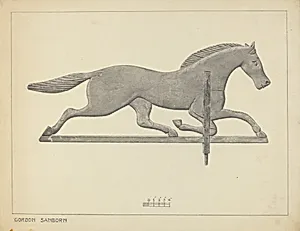
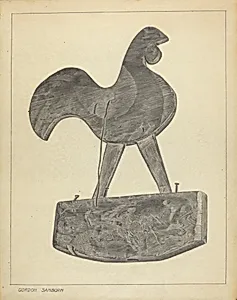
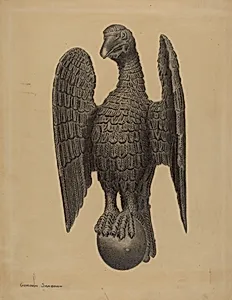
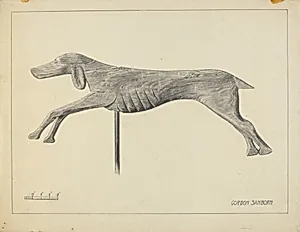
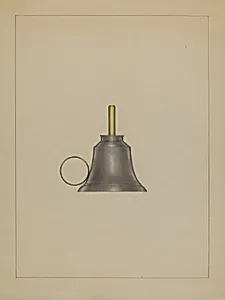
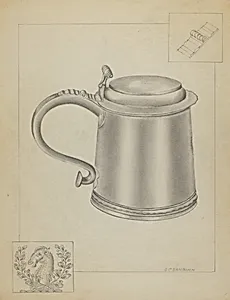
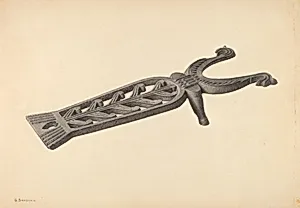
Gordon Sanborn is an artist whose work appears in museum collections in notable quantity, though the biographical details that would situate him within a specific tradition, school, or national context have not been well preserved in the available record. His name suggests an English-speaking background, and the volume of work attributed to him points to a career of real substance, even if the specifics of that career remain elusive.
Sanborn likely worked within the graphic or pictorial arts traditions of the late nineteenth or early twentieth century, a period when the market for prints, illustrations, and original works on paper was robust and supported a wide range of practitioners at varying levels of critical recognition. Artists who supplied this market with competent and appealing work could build substantial bodies of output without necessarily attracting the sustained critical attention that would anchor their biographies in the historical record.
The technical characteristics visible in Sanborn's surviving works would have reflected the training conventions of his era — emphasis on draftsmanship, familiarity with period compositional formulas, and responsiveness to the subjects and styles favored by the audiences and clients he served. Whether he worked independently, contributed to illustrated publications, or operated within an atelier context, his output suggests practiced skill.
Gordon Sanborn's continued presence in institutional collections is an invitation to further research. Regional newspapers, art society records, and period exhibition catalogues may hold the documentation needed to restore a fuller sense of who he was, where he trained, and why his work was collected and preserved with enough consistency to reach the present day.