Ctrl K
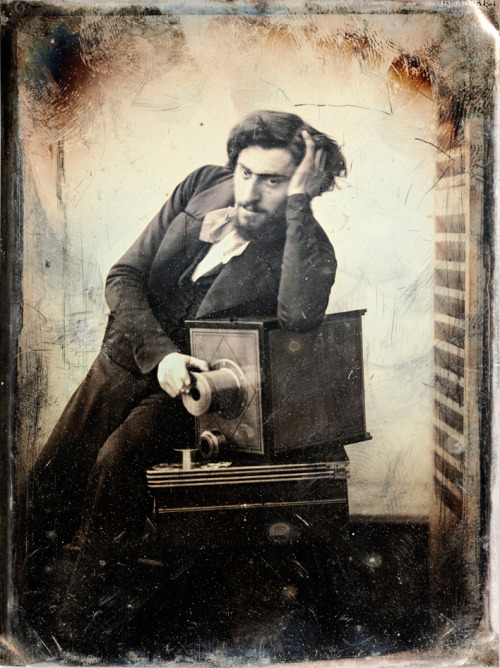
1820–1884
Gustave Le Gray, born on August 30, 1820, in Villiers-le-Bel near Paris to a prosperous merchant family, pursued his artistic ambitions against his parents' wishes for a legal career. As an only child, he trained as a painter in the studios of François-Édouard Picot and Paul Delaroche at the École des Beaux-Arts, exhibiting at the Paris Salons in 1848 and 1853. In 1844, he married Palmira Leonardi, with whom he had seven children, though only two survived to adulthood; his son Alfred later became his heir.
By the late 1840s, Le Gray transitioned to photography, producing his first daguerreotypes around 1847 and pioneering paper processes thereafter. He authored influential treatises on technique, introducing the waxed-paper negative in 1850 for sharper details, and founded the Société Héliographique in 1851—the world's first photographic society—along with the Société Française de Photographie in 1854. That year, he joined the Missions Héliographiques, commissioned by the Commission des Monuments Historiques to document France's architecture alongside Hippolyte Bayard, Édouard Baldus, Henri Le Secq, and Auguste Mestral. His poetic images of the Forest of Fontainebleau, inspired by Barbizon School painters who frequented the area, captured dramatic light and shadow; standout works include *Oak Tree and Rocks, Forest of Fontainebleau* (1849–52) and *Beech Tree, Fontainebleau* (c. 1856). Le Gray also taught luminaries like Charles Nègre, Nadar, and Maxime Du Camp, shaping French photography's artistic foundations.
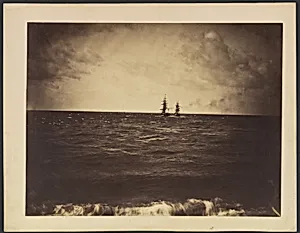
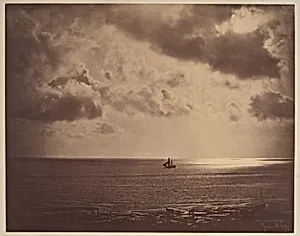
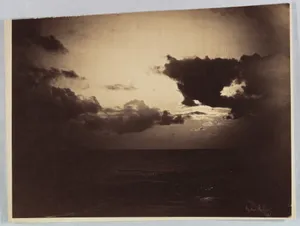
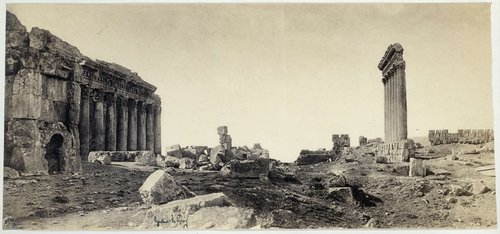
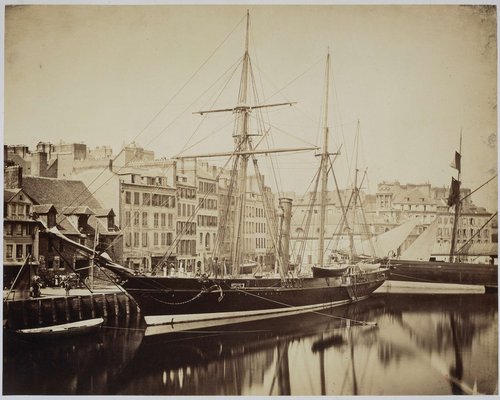
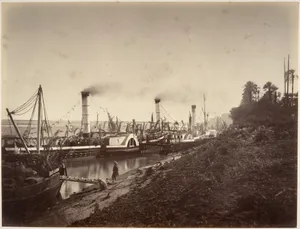
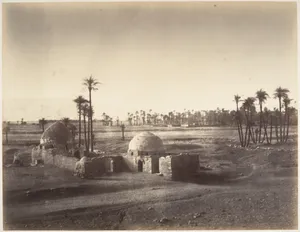
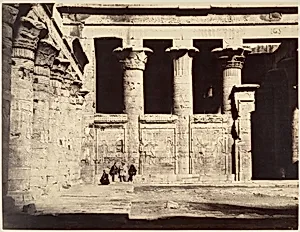
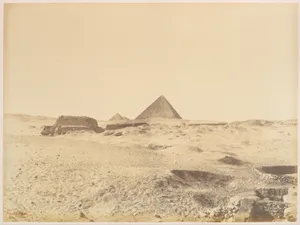
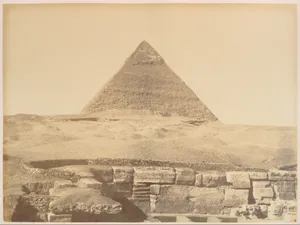
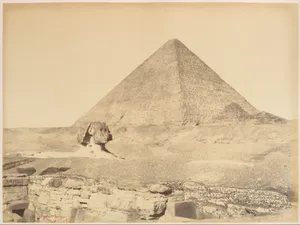
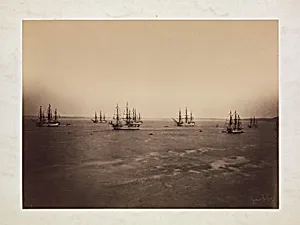
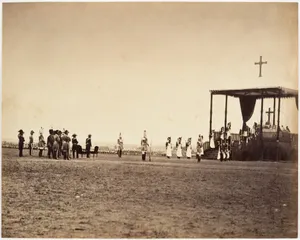
Le Gray's seascapes from 1856–58, such as *The Great Wave, Sète* (1857) and *Brig on the Water* (1856), revolutionized the medium through combination printing—merging separate negatives for sea and sky to achieve luminous tonal harmony. These earned international acclaim, including commissions from Napoleon III for Camp de Châlons military scenes (1857). Financial woes and family troubles prompted him to abandon his Paris studio in 1860, touring the Mediterranean with Alexandre Dumas before settling in Cairo by 1864 as a drawing instructor and photographer for Viceroy Ismail Pasha. There, he produced Nile monument views until his impoverished death on July 30, 1884. Hailed as the nineteenth century's most important French photographer, Le Gray's technical innovations, painterly vision, and mentorship elevated photography to fine art, influencing generations.
![[The Great Wave, Sète]](https://images.artheonmuseum.org/met/ph/thumb/the-great-wave-sete-261941.webp)
![[Oak Tree and Rocks, Forest of Fontainebleau]](https://images.artheonmuseum.org/met/ph/thumb/oak-tree-and-rocks-forest-of-fontainebleau-283626.webp)
![[Soldier and Military Camel]](https://images.artheonmuseum.org/met/ph/thumb/soldier-and-military-camel-284986.webp)
![[Zouaves, Camp de Châlons]](https://images.artheonmuseum.org/met/ph/thumb/zouaves-camp-de-chalons-285628.webp)
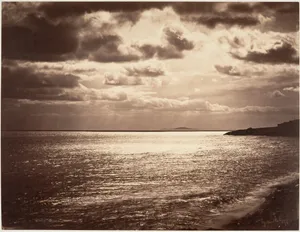
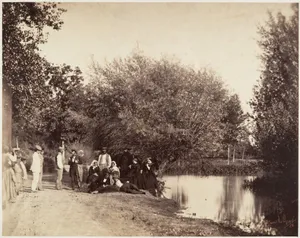
![[View of the Seine, Paris]](https://images.artheonmuseum.org/met/ph/thumb/view-of-the-seine-paris-285461.webp)
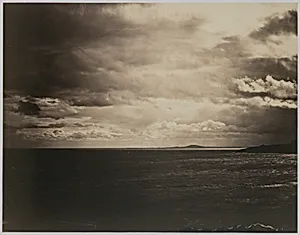
![[Cavalry Maneuvers, Camp de Châlons]](https://images.artheonmuseum.org/met/ph/thumb/cavalry-maneuvers-camp-de-chalons-283125.webp)